Introduction
Dodona, located in Epirus, was one of the most important ancient Greek sanctuaries associated with Zeus. Its oracle was famously connected with the sacred oak tree, whose sounds were interpreted as part of the process of divine consultation.
The relationship between nature, sound, and interpretation makes Dodona an interesting subject for contemporary sound art.
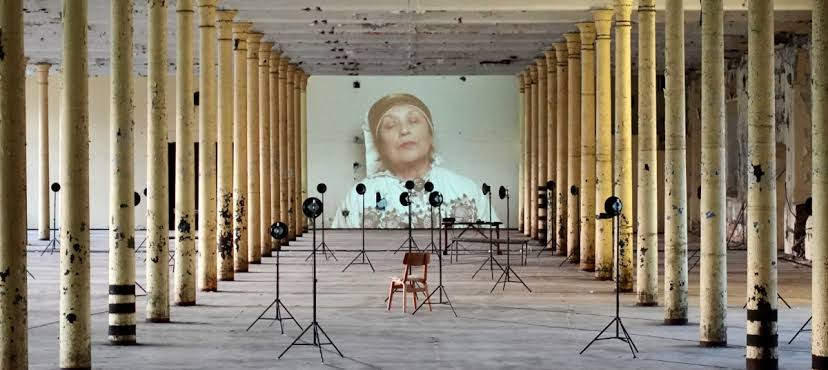
An installation inspired by the sanctuary could explore how natural sounds are transformed into artistic and cultural meaning.
The Historical Significance of Sound at Dodona
Ancient literary and historical traditions associate Dodona's oracle with the sacred oak and the interpretation of natural signs.
Accounts refer to the rustling of leaves and other sounds connected with the sanctuary's sacred environment.
Some ancient sources also associate the oracle with the sounds of objects, including bronze elements. Interpretations of these traditions vary.
What matters for contemporary sound art is the broader historical connection between listening, natural environments, and the search for meaning.
Creating a Sound Installation
A contemporary installation could use recordings of wind moving through trees, leaves, birds, rain, and distant environmental sounds.
These recordings could be processed through spatial audio systems, allowing visitors to experience sounds moving through a room or outdoor environment.
Interactive installations might respond to visitor movement or changes in environmental conditions.
For example, approaching a particular listening point could reveal a different layer of sound.
Artistic Interpretation
Sound artists could explore themes such as:
The relationship between nature and human belief.
Listening as a form of attention.
The transformation of environmental noise into cultural meaning.
Memory and sacred landscapes.
The relationship between ancient ritual and contemporary technology.
The work could include spoken historical texts, but these should be clearly distinguished from original ancient evidence.
Heritage Considerations
Any installation at or near the archaeological site would require appropriate permission and careful planning.
Sound levels should not disturb wildlife, archaeological interpretation, or other visitors. Digital installations could also be developed in museums or galleries away from the sanctuary itself.
Conclusion
Dodona-inspired sound art could connect ancient traditions of listening with modern spatial audio and interactive technology. By exploring the cultural significance of natural sound, artists could create an experience that respects the historical sanctuary while introducing new forms of interpretation.