Introduction
Ancient Sparta is often associated with military discipline, civic organization, austerity, and the cultural ideal of self-restraint. Modern design exhibitions could interpret these historical associations through minimalist architecture, furniture, graphic design, and product development.
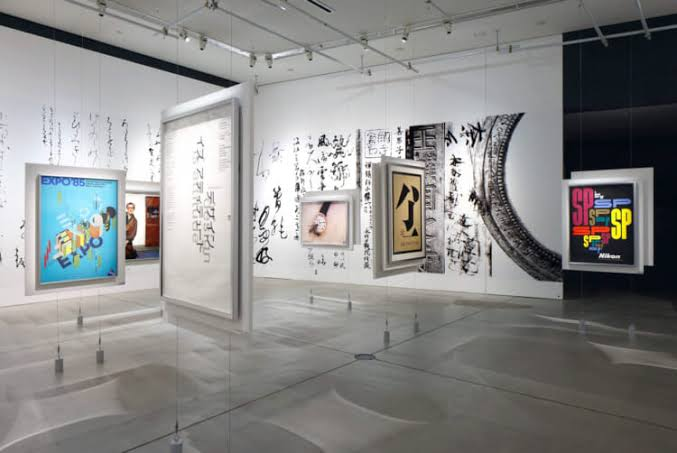
A contemporary exhibition in Tokyo could explore how the concept of Spartan simplicity compares with Japanese design traditions.
Historical Background
Spartan society developed a distinctive political and social structure in ancient Greece. Later historical accounts often emphasized discipline, military training, and the rejection of excessive luxury among Spartan citizens.
However, the popular idea that Sparta was uniformly minimalist should be treated cautiously. Archaeological and historical evidence shows a more complex society than simplified modern descriptions suggest.
Minimalism as a Design Principle
Minimalist design emphasizes clarity, functionality, proportion, and the careful use of materials.
A Spartan-inspired collection could explore these ideas through:
Furniture with simple structural forms.
Functional household objects.
Limited decorative elements.
Neutral material palettes.
Durable construction.
Compact living spaces.
The design approach could interpret historical themes without attempting to reproduce ancient objects literally.
Connections with Japanese Design
Japanese design traditions include principles related to simplicity, material awareness, proportion, and the relationship between objects and space.
An exhibition could compare these ideas with selected interpretations of Spartan restraint.
However, the two traditions have different historical and cultural foundations. Their similarities should be explored carefully rather than presented as identical philosophies.
Exhibition Development
A design exhibition could include historical explanations, architectural models, contemporary objects, and interactive displays.
Designers from Greece and Japan could collaborate on furniture, lighting, ceramics, and spatial installations.
Conclusion
A Spartan-inspired minimalist exhibition in Tokyo could encourage discussion about the relationship between ancient cultural ideals and contemporary design. Its value would lie in thoughtful interpretation rather than the claim that modern minimalism directly originated from Sparta.