Introduction
The Sarakatsani are traditionally associated with pastoral and transhumant ways of life in Greece and neighboring Balkan regions. Their cultural heritage includes distinctive clothing, weaving, embroidery, seasonal movement, and practical knowledge developed through pastoral communities.
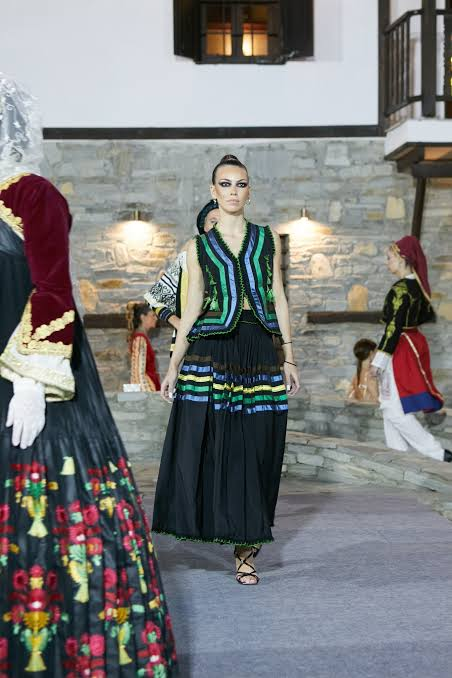
Traditional Sarakatsani textiles could inspire contemporary fashion collections, particularly through the use of geometric patterns, handwoven materials, and historical garment structures.
A fashion-week presentation in Athens could introduce these designs to international audiences while raising awareness of traditional textile knowledge.
Traditional Textile Characteristics
Sarakatsani clothing is associated with particular regional styles and materials. Depending on the garment and community, traditional clothing may feature wool, woven fabrics, embroidery, decorative borders, and practical construction.
Textiles were not simply decorative. They were connected to everyday activities, climate, social identity, and community customs.
Studying these materials can provide insight into the skills and resources available to pastoral households.
Translating Traditional Designs into Modern Fashion
Contemporary designers could reinterpret traditional patterns through:
Modern coats and outerwear.
Woven dresses and skirts.
Textured accessories.
Geometric embroidery.
Handcrafted bags and decorative pieces.
Contemporary wool and natural-fiber collections.
Designers could also experiment with traditional silhouettes while adapting them to modern materials and everyday use.
Sustainable Fashion Opportunities
Traditional weaving can offer useful lessons for sustainable fashion, especially through repair, durability, local production, and careful use of materials.
Small-scale textile workshops could collaborate with designers to produce limited collections that emphasize craftsmanship rather than mass manufacturing.
However, sustainability claims should be supported by evidence about material sourcing, production methods, labor conditions, and environmental impacts.
Cultural Ownership and Collaboration
Traditional patterns should not be treated as freely available design resources without acknowledging their cultural origins.
Fashion houses could work directly with Sarakatsani artisans, cultural organizations, and textile researchers. Collaborations should provide fair compensation and appropriate recognition.
Conclusion
Sarakatsani-inspired fashion could bring traditional Greek textile knowledge into contemporary design. A responsible presentation at Athens fashion events would demonstrate how cultural heritage can influence modern clothing while supporting the people who preserve the original techniques.