Introduction
Tsakonia, in the eastern Peloponnese, is known for its distinctive linguistic and cultural heritage. Its broader regional identity is also connected to agriculture, local food traditions, and the landscapes surrounding Leonidio and the Parnon Mountains.
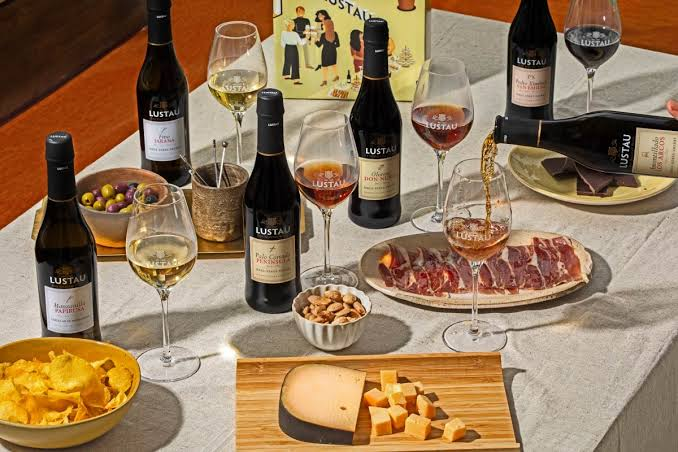
Pairing regional wines with molecular gastronomy could create an innovative culinary experience that combines local ingredients with modern food science.
The concept would require identifying suitable wines from the region rather than assuming that every wine served under a Tsakonian label represents a single established style.
Wine and Regional Identity
Wine production in the Peloponnese is shaped by grape varieties, soil, elevation, rainfall, temperature, and winemaking practices.
A regional wine-pairing project could begin by documenting local producers and identifying wines with distinctive acidity, aroma, body, and structure.
These characteristics provide the basis for selecting appropriate food combinations.
Molecular Gastronomy Techniques
Molecular gastronomy applies scientific principles to food preparation. It may involve techniques such as:
Spherification, which creates small liquid-filled spheres.
Gelification, which transforms liquids into gels.
Foams, which introduce lighter textures.
Emulsification, which combines normally separate ingredients.
Controlled-temperature cooking.
Dehydration and powdering.
These methods can change the texture and presentation of familiar foods without necessarily changing their essential flavors.
Possible Pairings
A contemporary menu might pair a regional white wine with seafood served alongside citrus gel or herb foam.
A fuller-bodied red wine could accompany slow-cooked meat with concentrated vegetable preparations. Local herbs, olives, cheeses, and fruit could provide additional links to regional agriculture.
The most successful pairings would preserve the recognizable character of the local ingredients rather than using technology merely for visual effect.
Cultural and Economic Benefits
A collaboration between local wineries, chefs, food researchers, and tourism businesses could create new culinary experiences.
It could also encourage visitors to explore the wider region rather than limiting their travel to major tourist destinations.
Conclusion
Tsakonian wine pairings with molecular gastronomy could demonstrate how regional food traditions can evolve through contemporary culinary techniques. The concept would be strongest when local products remain central to the experience and scientific methods serve flavor, texture, and cultural storytelling.