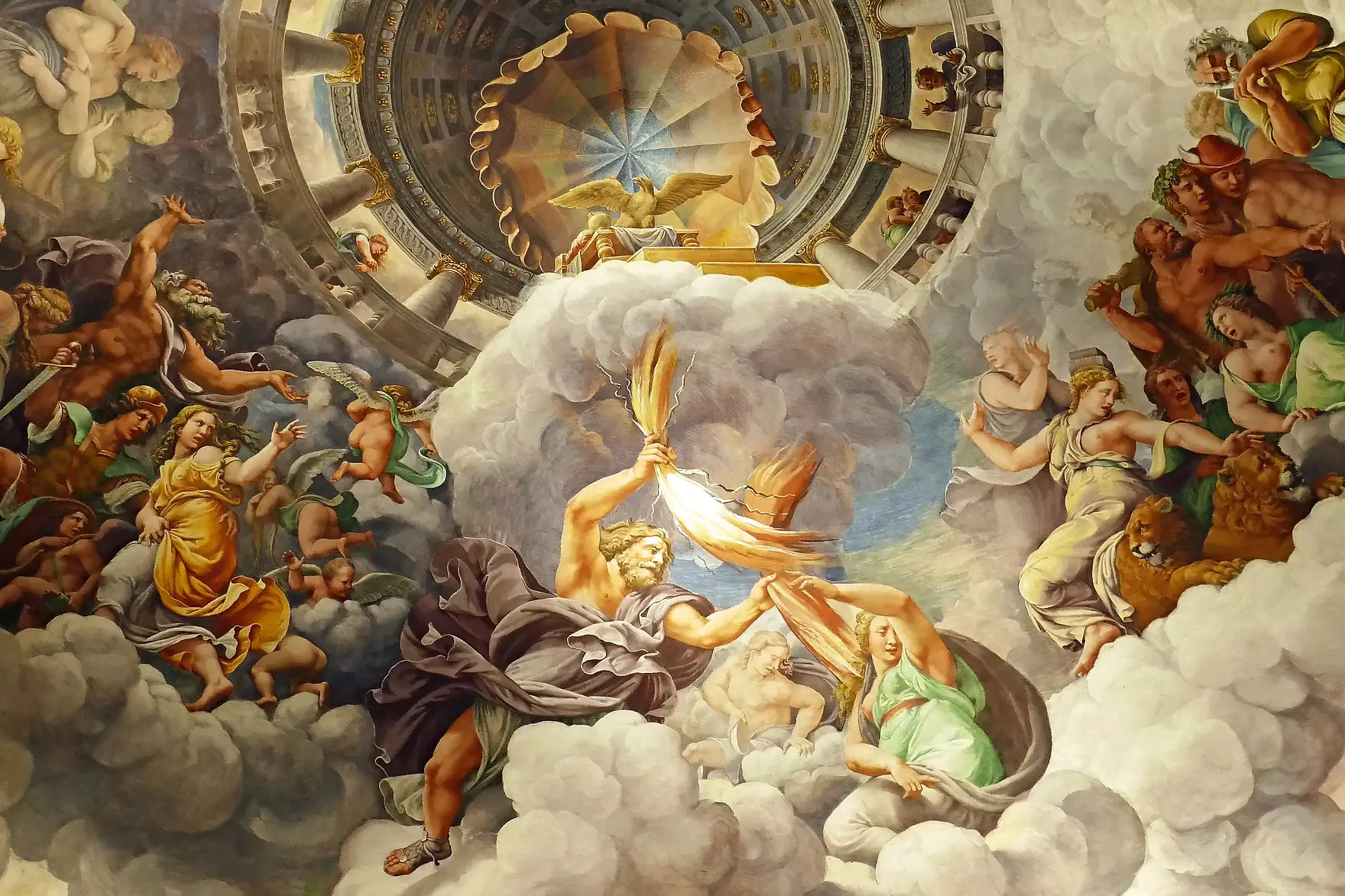
The Role of Mount Olympus in Greek Mythology
In the Greek imagination, Mount Olympus was not just a geographic landmark; it was the spiritual and political center of the universe. While the physical mountain exists in northern Greece—rising to nearly 2,917 meters (9,570 feet)—in mythology, it served as the literal "Home of the Gods," a celestial citadel hidden from mortal eyes by a permanent veil of clouds.
1. The Seat of Divine Power
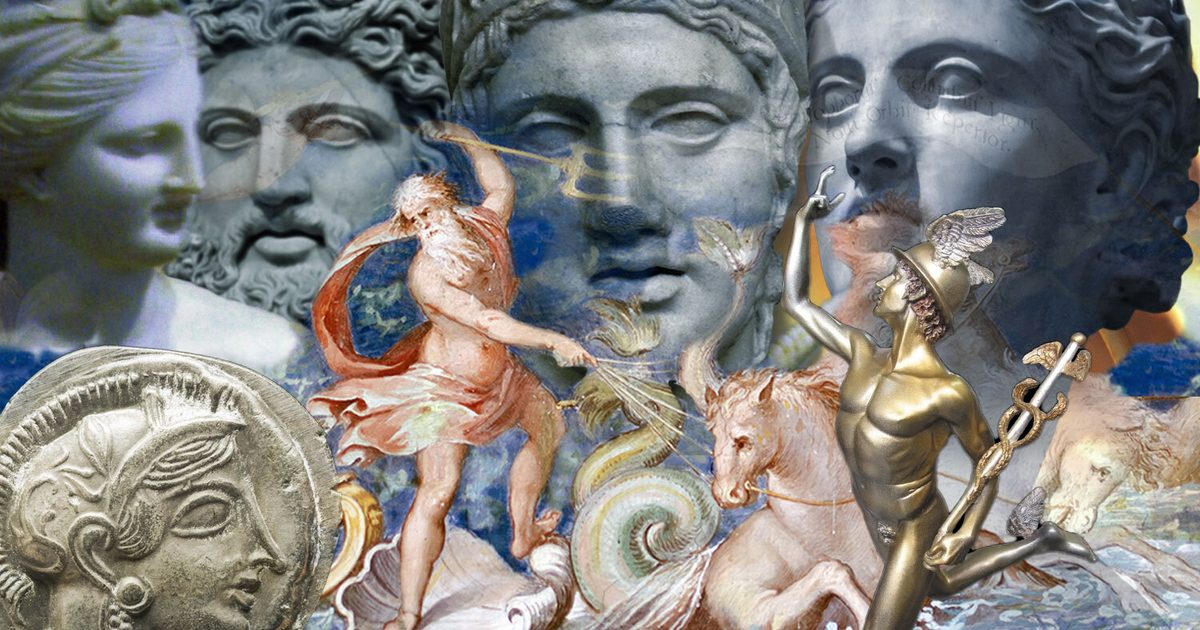
Following the Titanomachy (the great war between the younger gods and the older Titans), Zeus and his siblings established Olympus as their headquarters. It functioned as a royal court where the Twelve Olympians resided in individual palaces.
The Gates of Clouds: The entrance to Olympus was guarded by the Horae (The Seasons). They controlled the passage of the thick clouds that shielded the summit, ensuring that no unauthorized mortal or minor deity could enter.
The Pantheon: The word "Olympus" became synonymous with the divine hierarchy itself. To be an "Olympian" meant having a seat at the golden table, where the gods deliberated on the fate of humanity while consuming Ambrosia and Nectar, the substances that maintained their immortality.
2. The Geography of the Divine
Mythological Olympus was depicted as a realm of eternal spring, free from rain, wind, or snow. Ancient poets like Homer described it as a "shining ether."
The Palace of Zeus: Located at the highest peak, Zeus’s throne room was the site of the Great Assembly. From here, he dispensed justice and hurled thunderbolts at those who defied him.
The Mansions of the Gods: According to the Iliad, Hephaestus (the god-smith) built magnificent dwellings for each of the major gods out of bronze, gold, and silver.
The Intersection of Realms: Olympus was the bridge between Heaven and Earth. It was from these heights that the gods looked down upon the Trojan War, intervening in mortal affairs like grandmasters moving pieces on a chessboard.
3. Symbolic Importance: Order vs. Chaos
The existence of Olympus represented the triumph of Cosmos (Order) over Chaos.
The Titan Contrast: The Titans had ruled from Mount Othrys. By moving the seat of power to the higher, more luminous Olympus, the Greeks symbolized a shift toward a more organized, "civilized" form of divinity based on law and assembly rather than raw, primordial force.
Aspiration and Hubris: For humans, Olympus was the ultimate forbidden destination. To attempt to reach it (like Bellerophon on Pegasus) was the ultimate act of hubris. It served as a reminder that there was a clear boundary between the finite life of a mortal and the infinite existence of the divine.
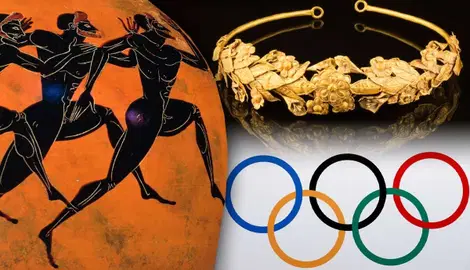
The mountain remains a powerful symbol in the modern world, representing the pinnacle of achievement—whether in the "Olympic" Games or as a metaphor for any seat of high power.