The preservation of knowledge in ancient Greece was a constant battle against environmental decay, insect infestation, and human conflict. Because the primary medium for text was papyrus—an organic material manufactured from the pith of the Cyperus papyrus plant—Greek libraries and archives had to develop sophisticated preservation methodologies. The survival of philosophy, mathematics, and literature depended entirely on the rigorous material science and organizational systems implemented by ancient scribes and librarians.
The preservation process began at the structural level. Papyrus sheets were glued together to form long scrolls, which were then rolled around wooden or ivory rods called omphaloi. To prevent the edges from fraying, the borders were trimmed and rubbed smooth with pumice stone. Scribes treated the surface of the papyrus with cedar oil, which acted as a natural insecticide and antifungal agent, giving the scrolls a distinct aromatic scent while protecting them from the devastating effects of moisture and bookworms. The scrolls were then wrapped in protective parchment jackets or stored inside cylindrical wooden cases called capsae.
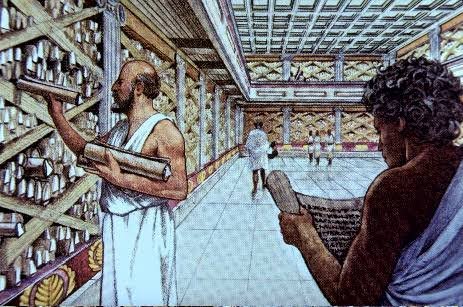
Architectural design played a critical role in preserving these texts. Major repositories, such as the famous Library of Alexandria and the library at Pergamum, were constructed with double walls to create an insulating pocket of air. This architectural feature mitigated humidity and prevented temperature fluctuations from warping the delicate papyrus. Shelves were built using cedar or oak, woods naturally resistant to boring insects, and scrolls were stacked horizontally to distribute weight evenly and prevent the crushing of the underlying papyrus layers. Scribes also utilized specialized tags called sillyboi, which hung from the end of the scrolls to display the author and title, eliminating the need to unroll and expose the fragile material unnecessarily.
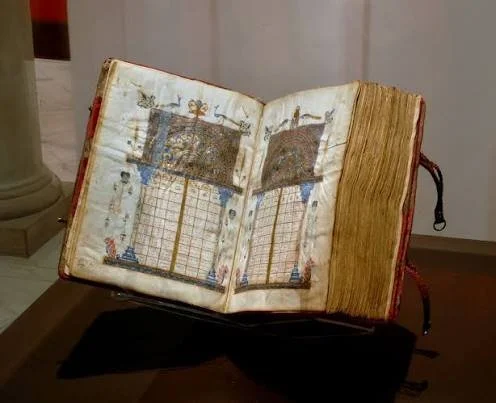
Beyond environmental controls, preservation required a continuous, systemic program of manual transcription. Because papyrus naturally degrades within a few decades in the humid Mediterranean air, libraries maintained dedicated scripts workshops where copyists continuously transferred text from decaying scrolls to fresh material. Librarians developed complex cataloging systems, most notably the Pinakes of Callimachus, which organized the entirety of Greek literature into distinct genres and sub-genres. This systematic archiving ensured that even if physical scrolls were lost to fires or moisture, the structural integrity of the texts remained intact, securing the intellectual legacy of Greece for future generations.