The civilization of ancient Greece was built upon an agricultural foundation dominated by the cultivation of cereal grains, specifically wheat and barley. Because the mountainous terrain of the Greek peninsula offered limited arable land—only about twenty percent of the landscape was suitable for farming—the production of these grains was a high-stakes, labor-intensive enterprise that dictated the seasonal rhythms, economic policies, and survival strategies of every city-state. Grain was so vital that it formed the literal core of the Greek diet and was deeply interwoven with religious ritual and state security.
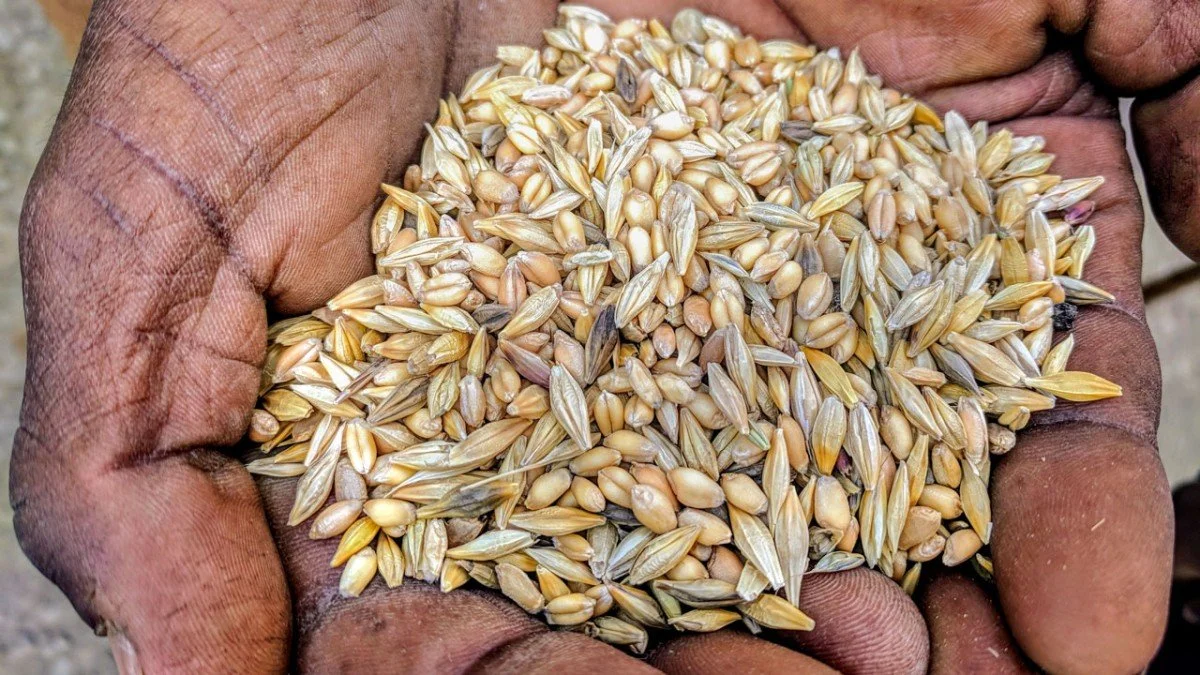
Barley was the resilient workhorse of Greek agriculture. It was highly adaptable to the thin, dry, and poor-quality soils characteristic of regions like Attica. Barley had a shorter growing season than wheat, making it less vulnerable to the unpredictable spring droughts of the Mediterranean climate. Although it was less prestigious than wheat, barley was produced in much greater quantities and was consumed daily in the form of maza, a dense, unbaked barley cake that served as the primary carbohydrate for the vast majority of the population, including soldiers, sailors, and laborers.
Wheat, particularly emmer wheat and durum wheat, was highly prized but far more difficult to cultivate successfully. It demanded deeper, richer soils and more consistent rainfall, which restricted its large-scale production to fertile plains like those in Thessaly, Boeotia, and Sicily. Wheat was processed into fine flour to bake various types of leavened bread, which was considered a luxury commodity compared to barley. Because local wheat production could rarely meet the demands of growing urban populations, cities like Athens developed massive maritime trade networks to import wheat from the Black Sea region, implementing strict naval laws to protect these vital supply routes.
The agricultural year was defined by the grain cycle, beginning with the difficult autumn plowing and sowing seasons, which were accompanied by religious festivals dedicated to Demeter, the goddess of agriculture. Farmers utilized primitive wooden scratch-plows pulled by oxen to break the dry soil before sowing seeds by hand. Harvesting occurred in late spring, using iron sickles to cut the stalks. The grain was then taken to circular stone threshing floors, where oxen trampled the crop to separate the grain from the chaff. This continuous, delicate balance of soil management, labor coordination, and naval trade underscores grain as the ultimate geopolitical currency of ancient Greece.