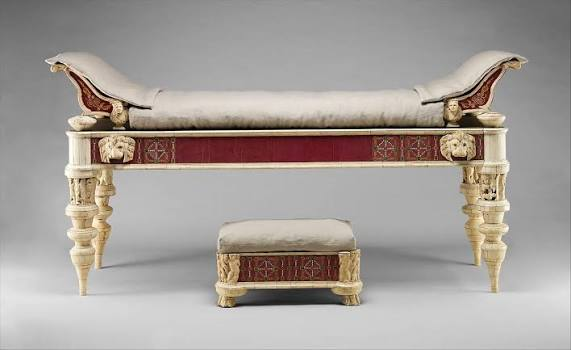
Materials & Craftsmanship
While very little organic wood survives from classical antiquity, vase paintings, marble reliefs, and literary texts provide a detailed picture of Greek joinery (tektonikē). Artisans favored native woods like maple, oak, beech, cedar, and olive, occasionally utilizing imported ebony for luxury inlays.
Furniture makers mastered sophisticated joinery techniques without relying on metal nails:
Mortise-and-Tenon Joints: Pinched with wooden pegs (gomphoi) for structural frames.
Dovetail Joints: Used to assemble sturdy chests (klismoi storage boxes).
Steam Bending: Applied to shape the iconic backrests and legs of Greek chairs.
The construction process began with a solid timber plank that was softened using steam, allowing the wood to be carefully bent into curved backrests and leg assemblies without compromising its strength. Once the desired shape was achieved, these components were joined using pegged mortise-and-tenon framing, a durable woodworking technique in which precisely cut joints were secured with wooden pegs instead of metal fasteners. This method produced strong, stable, and long-lasting furniture while showcasing advanced craftsmanship and efficient structural design.
Iconic Forms
The quintessential piece of Greek furniture was the Klismos chair, characterized by its sweeping, curved legs (splay) and concave backrest designed for ergonomic comfort. Other common pieces included the Kline (a multi-purpose couch used for dining at symposia and sleeping) and the Thronos (a formal, heavy seat reserved for deities, priests, and nobility).