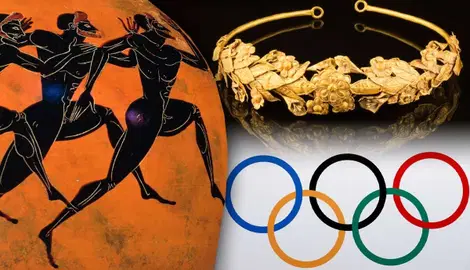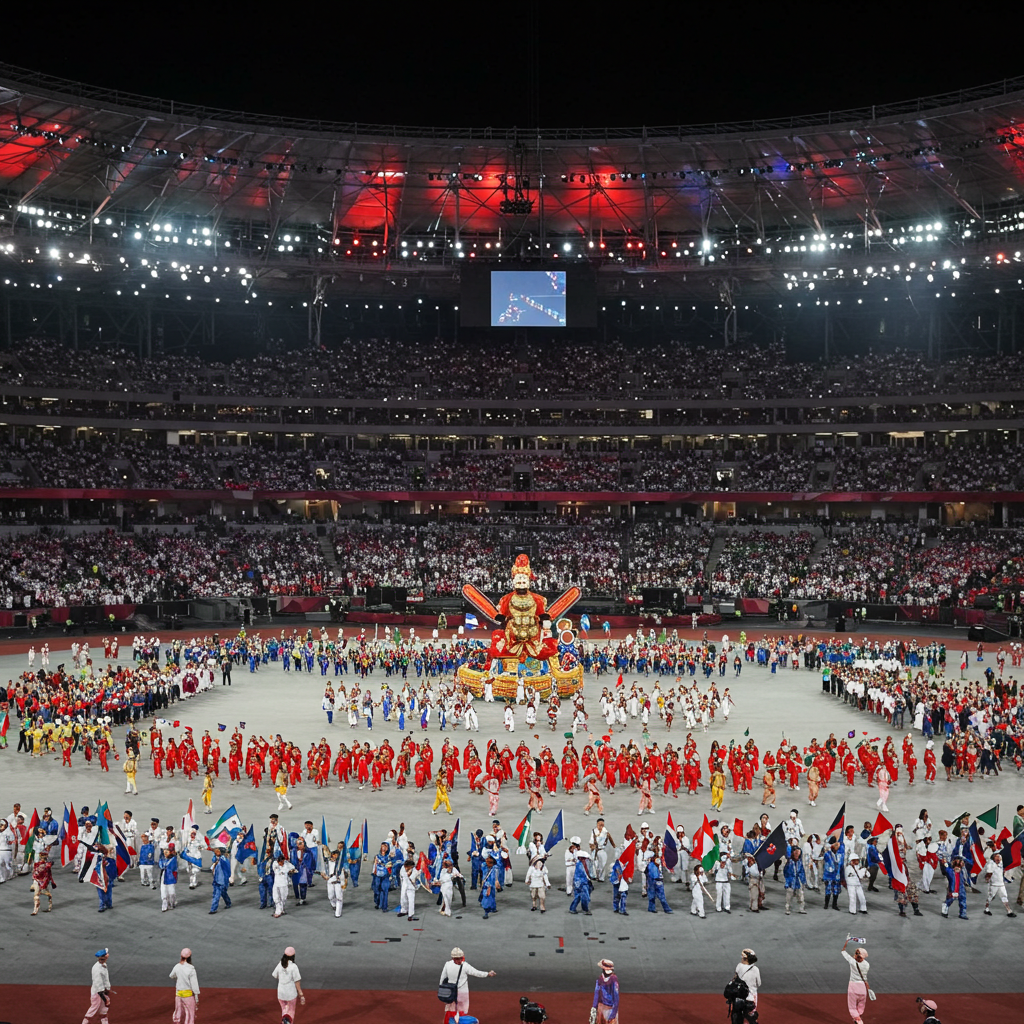
The ancient Olympic Games, held every four years at Olympia in honor of Zeus, were much more than a series of athletic contests. They were a profound religious festival, a showcase of Greek unity, and a stage for cultural exchange.
Religious Significance
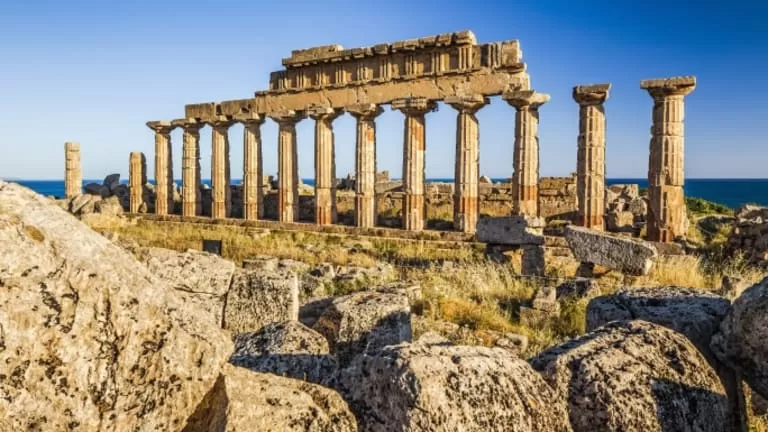
At the heart of the Olympic Games was the worship of Zeus, the king of the gods. The centerpiece of the religious observances was the grand sacrifice at the Altar of Zeus, where offerings of animals and other goods were made to seek divine favor. The Temple of Zeus housed a massive chryselephantine (gold and ivory) statue of the god, created by the renowned sculptor Phidias, which stood as a symbol of divine power and protection.
The Olympic Truce, known as the ekecheiria, ensured that conflicts ceased during the games, allowing athletes and spectators to travel safely to Olympia. This peace was not just practical but sacred, reflecting the belief that war had no place in the presence of the gods.
Social and Political Dimensions
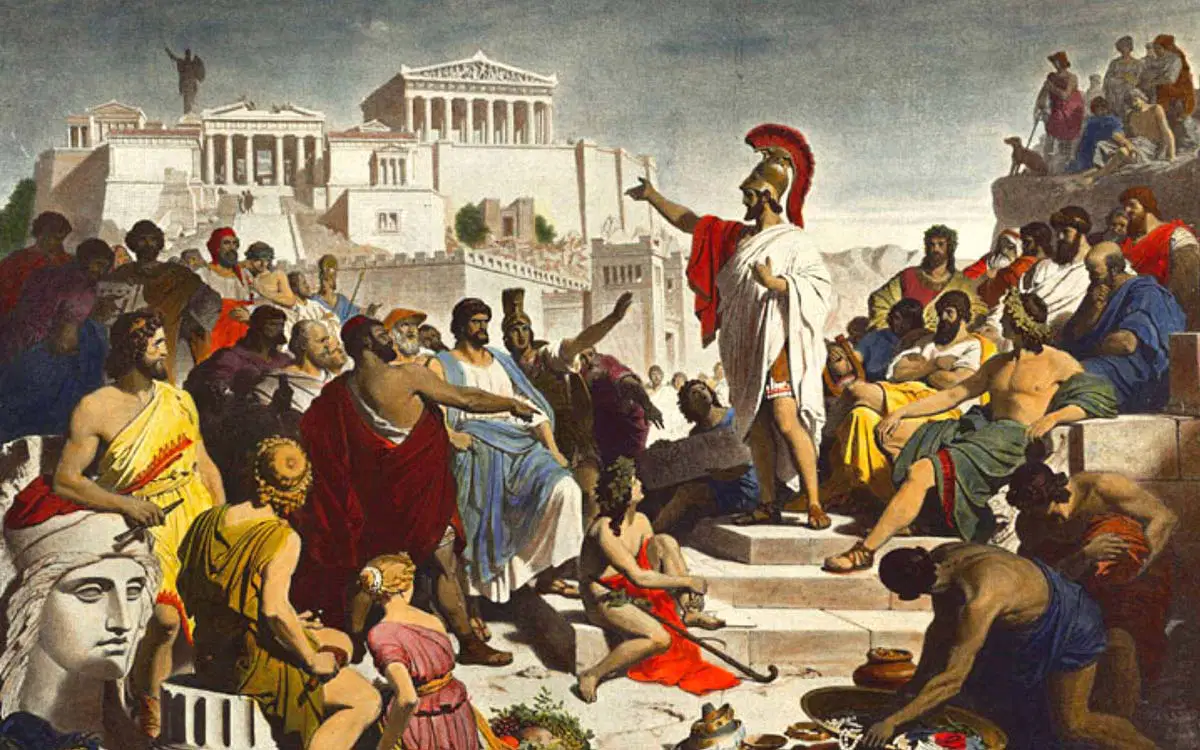
The games served as a platform for city-states to assert their prestige. Victors were celebrated as heroes, their triumphs bringing glory not only to themselves but also to their polis. Political leaders used the event to forge alliances, negotiate treaties, and display their wealth through sponsorship of events and construction of monuments.
Art and culture flourished alongside the athletic competitions. Poets composed victory odes, sculptors immortalized champions in bronze and marble, and philosophers engaged in discourse. Olympia became a cultural hub, where the finest minds and artists converged.
Athletic Competitions
The athletic events themselves were a testament to physical prowess and discipline, reflecting the Greek ideal of a sound mind in a sound body. Competitions included foot races, wrestling, boxing, chariot racing, and the pentathlon, which tested versatility across five events.
Legacy
The ancient Olympics’ blend of religion, sport, and culture left a lasting legacy that echoes in the modern games. They were more than contests of strength; they were a sacred celebration of human potential and divine favor, uniting the Greek world in a shared reverence for the gods and the pursuit of excellence.
Conclusion
The Olympic Games were a multifaceted event that transcended mere athletics. They embodied a deep connection to the divine, a celebration of unity, and a stage for cultural expression, leaving an indelible mark on history.