Introduction
Sapphire is a gem-quality variety of corundum, a mineral composed primarily of aluminium oxide. Although commonly associated with blue gemstones, corundum occurs in several colours depending on trace elements and geological conditions. Its occurrence in metamorphic rocks makes it an interesting subject for studying the relationship between mineral formation, pressure, temperature, and the chemical composition of ancient crustal rocks.
The Rodopi Mountain Range of northeastern Greece and southern Bulgaria contains extensive metamorphic formations, including gneisses, schists, and other rocks that record complex geological histories. A hypothetical occurrence of sapphire grains within Rodopi gneiss slabs would offer an opportunity to investigate how aluminium-rich minerals develop during metamorphism and whether later geological processes concentrated them into recoverable grains.
Geological Setting and Mineral Formation
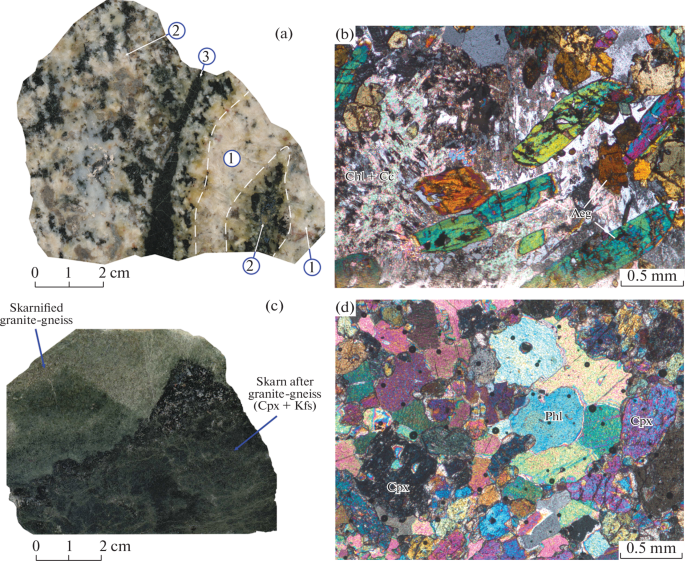
Gneiss forms when pre-existing rocks undergo high-grade metamorphism. Under elevated temperatures and pressures, minerals recrystallise and become arranged into alternating light and dark bands. The resulting rock may contain quartz, feldspar, mica, garnet, and other minerals depending on its original composition and metamorphic history.
Corundum may develop in rocks that are rich in aluminium but relatively poor in silica. This chemical balance is important because abundant silica favours the formation of aluminium silicates rather than corundum. Certain metamorphic environments, including aluminous schists and altered rocks, can therefore provide suitable conditions for corundum formation.
If sapphire grains were present in Rodopi gneiss, researchers would need to establish whether they formed during the main metamorphic event or during a later period of mineral alteration. Their relationship with surrounding minerals could provide clues about the conditions under which they crystallised.
Identification and Laboratory Investigation
A suspected sapphire grain cannot be identified reliably through colour alone. Corundum may resemble other blue or transparent minerals, and weathered rock surfaces can make visual identification difficult.
A proper investigation would combine several methods:
Petrographic microscopy: Examines the grain's relationship with the surrounding minerals.
Raman spectroscopy: Helps identify the mineral through its characteristic vibrational spectrum.
X-ray diffraction: Confirms the crystal structure.
Electron microprobe analysis: Measures chemical composition and trace-element distribution.
Trace-element analysis: Helps investigate the geological conditions responsible for crystal formation.
Researchers would also examine whether the grains occur as isolated crystals, inclusions, or concentrated mineral bands.
Geological and Scientific Significance
Confirmed corundum grains in Rodopi metamorphic rocks could contribute to the understanding of regional metamorphic processes. Their chemical composition and mineral inclusions might help reconstruct pressure-temperature conditions and the evolution of the surrounding crust.
However, the presence of sapphire would not automatically indicate an economically viable gemstone deposit. Crystal size, colour, transparency, fractures, abundance, and accessibility would all influence potential value. Geological importance and commercial value must therefore be assessed separately.
Conclusion
The proposed sapphire grains of the Rodopi gneiss illustrate how gemstone research can contribute to broader geological investigations. Even small corundum crystals may preserve evidence of metamorphic conditions and ancient rock-forming processes. Confirmation would require systematic field sampling and laboratory identification rather than visual observation alone.