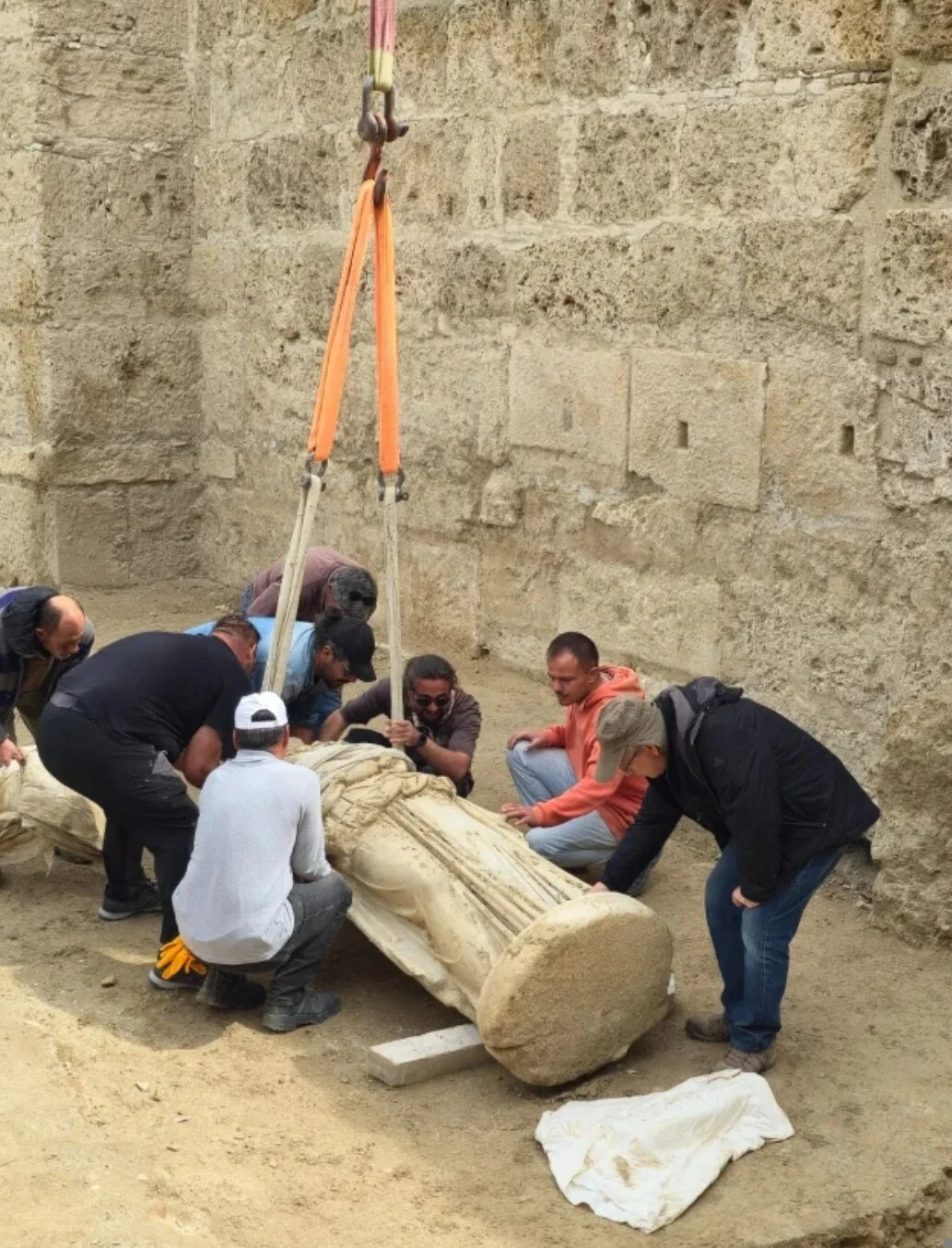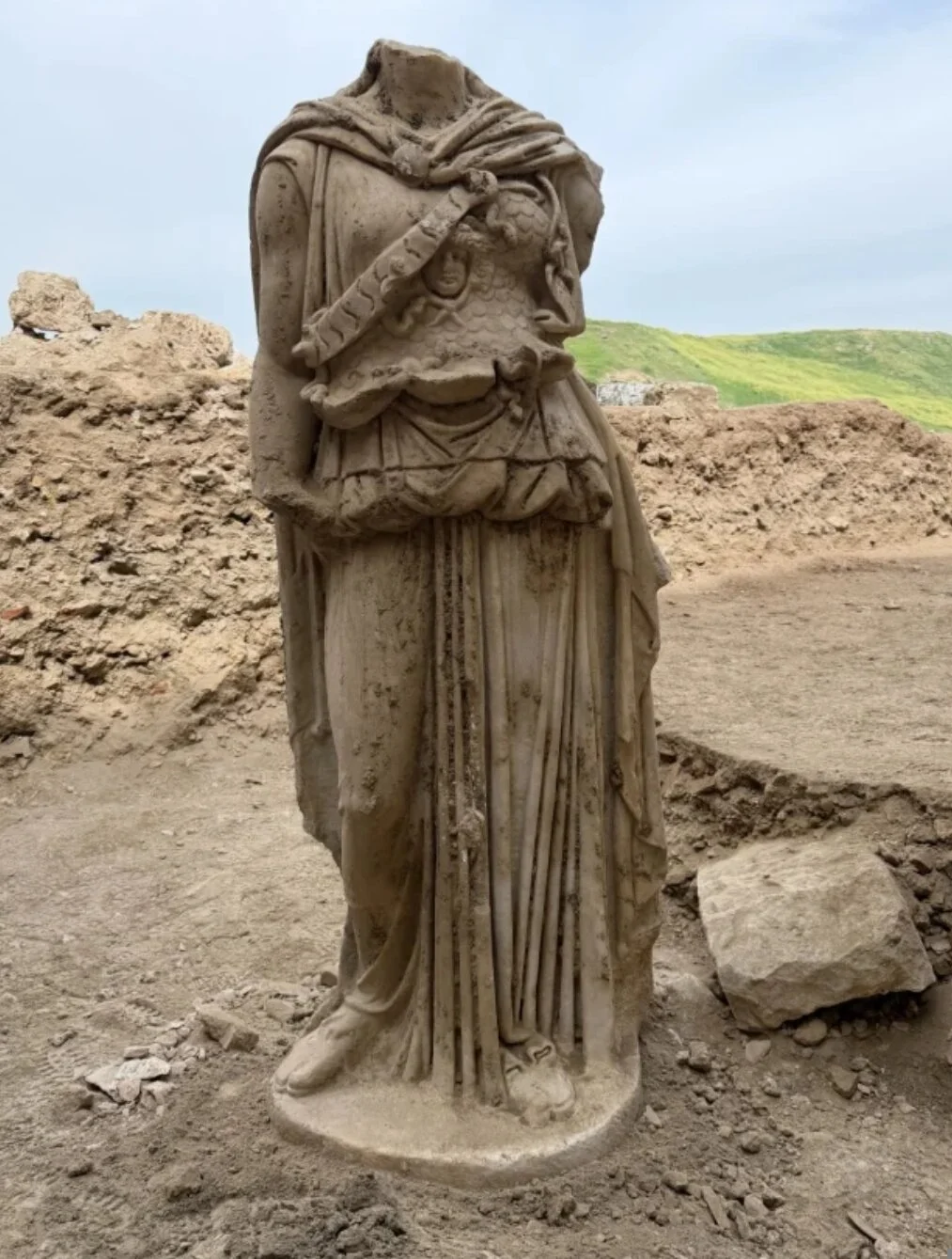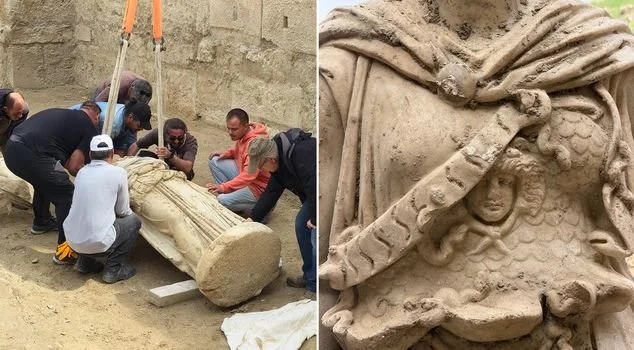
A significant archaeological discovery has emerged from the ancient city of Laodicea, located in present-day Denizli, Turkey, where excavations have unearthed a stunning 2,000-year-old statue of the goddess Athena. The find was made during restoration work within the stage building of the Western Theater, a structure dating back to the 2nd century BC. The white marble statue, standing approximately two meters tall, was discovered lying face down among rubble fill near the outer wall of the stage. This area was once a vibrant center for cultural expression, hosting performances of Homeric epics and serving as a focal point for the artistic life of the city.
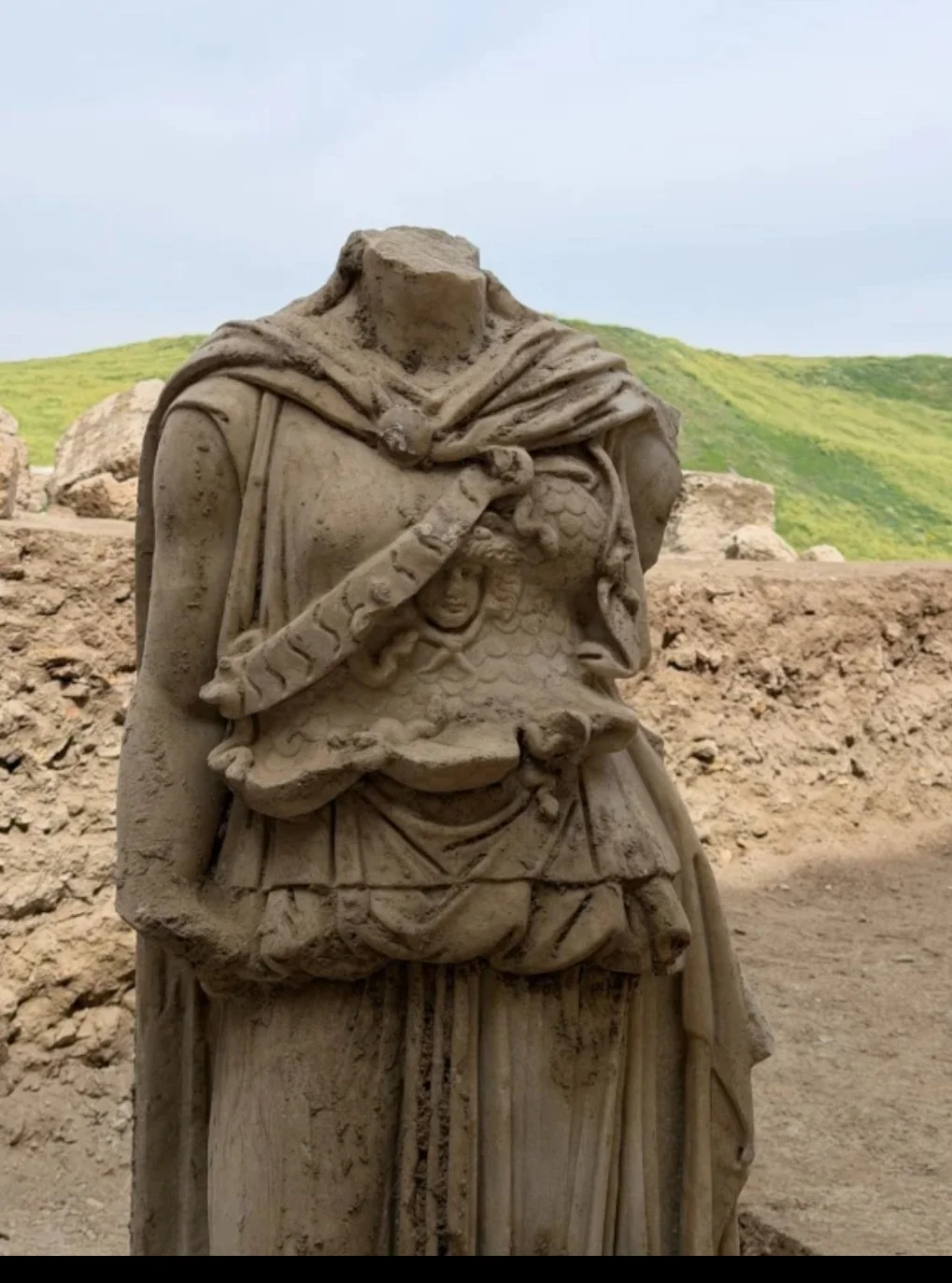
The craftsmanship of the statue is of exceptional quality, reflecting the classical style of the Augustan period between 27 BC and 14 AD. Athena is depicted standing on a circular base, dressed in a finely woven sleeveless peplos and a cloak draped around her neck. On her chest, the aegis is clearly visible, adorned with the head of a Gorgon and surrounding snakes. The intricate folds of the garment and the naturalistic treatment of the marble highlight the skill of a master sculptor, while the specific typology of the cloak around the neck makes the piece a unique addition to the archaeological record.
In the context of Laodicea’s history as a major textile center, scholars note that this depiction of Athena likely emphasized her role as the patron of weaving rather than her traditional warrior identity. Historical inscriptions confirm that festivals were regularly held in her honor within the city. The stage building where she was found was originally a grand three-story structure featuring sixteen columns on each level, which served as niches for statues of gods, goddesses, and rulers. The ongoing excavation and restoration efforts in the Western Theater continue to provide vital data, preserving these artistic treasures and offering a deeper understanding of the cultural narratives that shaped the ancient world.