Ancient Greek philosophy repeatedly returned to one enormous question:
What does it mean to live well?
The Greeks did not necessarily define the good life as wealth, pleasure, political power, or fame.
Different philosophical schools proposed radically different answers.
Yet many agreed that simply possessing external success was not enough.
Eudaimonia
One of the most important Greek concepts was eudaimonia.
It is often translated as happiness, flourishing, or living well.
The term does not simply mean feeling happy.
A person could experience temporary pleasure while still living a badly ordered life.
Eudaimonia concerns the overall quality and fulfillment of human existence.
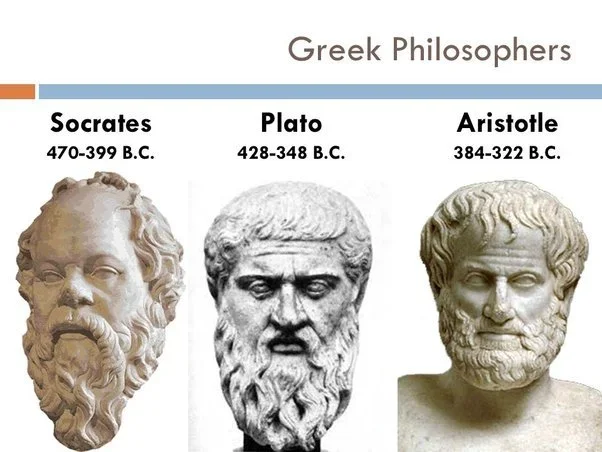
Socrates
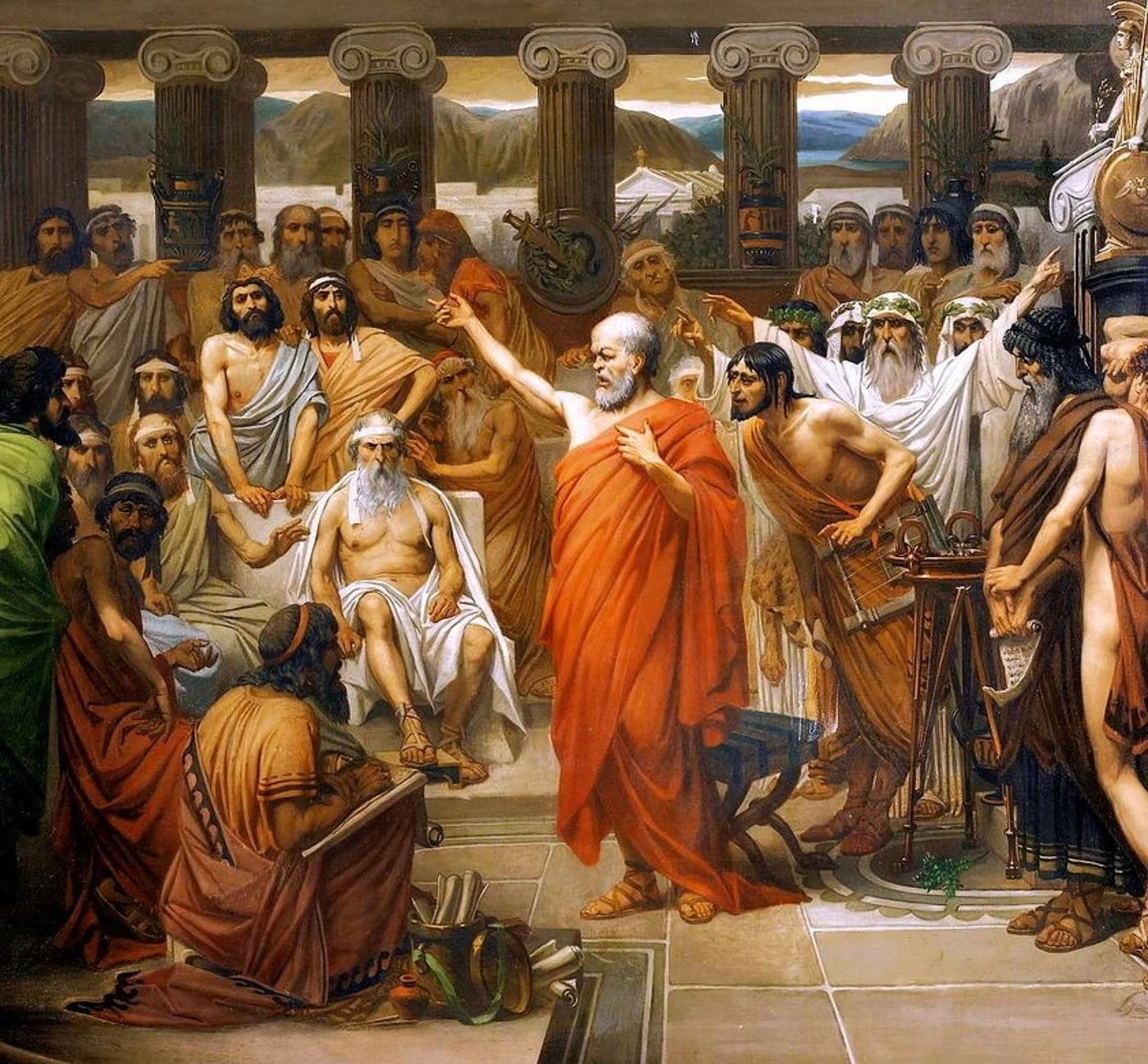
Socrates emphasized moral examination.
A good life required examining one's beliefs and developing virtue.
Knowledge and moral character were deeply connected.
Plato
Plato connected the good life with justice and harmony.
A person's rational nature should govern the lower desires.
A just soul was therefore internally ordered.
Aristotle
Aristotle developed one of the most influential accounts of eudaimonia.
For him, human flourishing required living according to virtue over an entire life.
Courage, justice, friendship, practical wisdom, and other virtues were essential.
Epicurus
Epicurus offered a different approach.
He argued that happiness involved pleasure understood primarily as freedom from pain and mental disturbance.
Friendship and simple living were essential.
Stoics
Stoics argued that virtue was sufficient for a good life.
External circumstances could change dramatically, but moral character remained under one's control.
Cynics
Cynics went even further.
They rejected social status, luxury, and unnecessary possessions.
They believed freedom required reducing dependence on conventional desires.
Why the Debate Matters
These philosophies disagree, but they share an important assumption.
A good life requires more than simply getting what you want.
The question is whether your desires themselves are worth having.
Conclusion
The Greek philosophical tradition transformed happiness from a simple emotional condition into a question about human flourishing.
Their thinkers disagreed about the answer.
But their central question remains remarkably modern:
What kind of life is actually worth living?