Introduction
The Arvanites are a historically important population associated with Albanian-speaking communities that settled in various parts of Greece during the medieval and early modern periods.
Their history is deeply connected with migration, settlement, agriculture, military service, and regional politics.
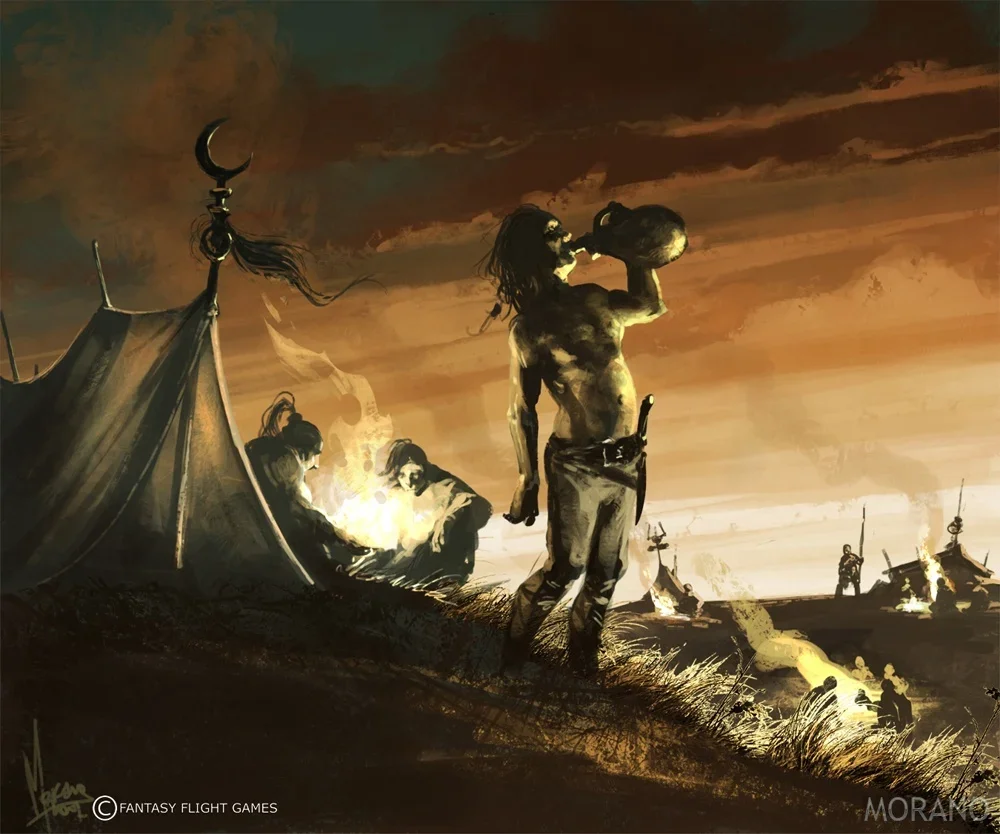
The title Forgotten Arvanite Warrior Clans in Attic Mountain Holds evokes the presence of Arvanite-speaking communities in Attica and the possibility of fortified mountain settlements or defensive positions.
The subject should be approached carefully because "warrior clan" can oversimplify the diverse social structures of Arvanite communities.
Arvanite Settlement in Greece
Albanian-speaking groups migrated into different parts of the Greek lands during the medieval and later periods.
These migrations occurred in multiple waves and under different political circumstances.
Communities settled in areas including Attica, Boeotia, the Peloponnese, Euboea, and other regions.
They became part of the complex demographic history of medieval and early modern Greece.
Attica's Mountain Geography
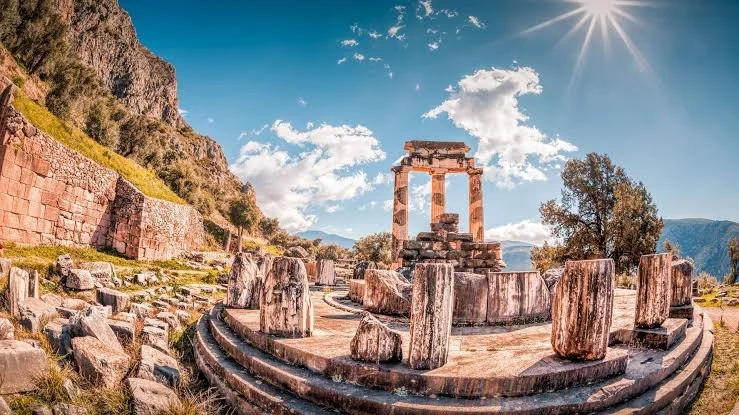
Attica is often associated with Athens, but much of the region is mountainous.
Mountains such as Parnitha, Penteli, and Hymettus created distinct ecological and strategic zones.
Mountain communities could use these landscapes for grazing, agriculture, settlement, and defense.
Military Service
Some Arvanite communities developed reputations for military ability.
This was particularly relevant in periods of political instability.
Military service could provide communities with privileges, land, protection, or political influence.
However, not every Arvanite community was organized primarily as a military group.
Their economic life also included farming, livestock raising, crafts, and trade.
Fortified Settlements
Mountain settlements sometimes included defensive features.
These could range from naturally defensible positions to fortified houses and small strongholds.
A fortified location might protect residents from raiding or conflict.
But not every ruined stone structure in an Attic mountain landscape should automatically be classified as an Arvanite fort.
Archaeological attribution requires evidence.
Language and Identity
Arvanite communities historically used varieties of Albanian while also participating in Greek religious and political life.
Over generations, language shift occurred in many communities.
Modern Arvanite identity is therefore diverse.
Some communities retain elements of Arvanite cultural heritage, while others have become largely Greek-speaking.
The Greek War of Independence
Arvanite-speaking populations participated in the Greek War of Independence.
Individuals and communities contributed to military and political movements.
The role of Arvanites in the formation of the modern Greek state is an important subject in the study of nineteenth-century Greek history.
Women and Family Networks
The phrase "warrior clans" can obscure the broader community.
Families were central to migration and settlement.
Women maintained households, agriculture, textile production, food systems, and cultural practices.
Children grew up within multilingual and often highly interconnected local societies.
Migration history therefore cannot be reduced to male warriors.
Memory and Forgotten Landscapes
Some former settlement areas are difficult to recognize today.
Modern development, vegetation, abandonment, and changes in land use can obscure older structures.
Place names can sometimes preserve evidence of historical populations long after their original settlements changed.
Oral traditions can also preserve memories that are absent from formal historical documents.
Conclusion
The Forgotten Arvanite Warrior Clans in Attic Mountain Holds should be understood as a study of Arvanite migration, settlement, military participation, and mountain landscapes rather than evidence of a single secret warrior organization.
The history of Arvanite communities demonstrates how migration reshaped Greece over centuries.
Their legacy survives not only in historical records but also in language, place names, family traditions, architecture, and the cultural identity of communities throughout central and southern Greece.