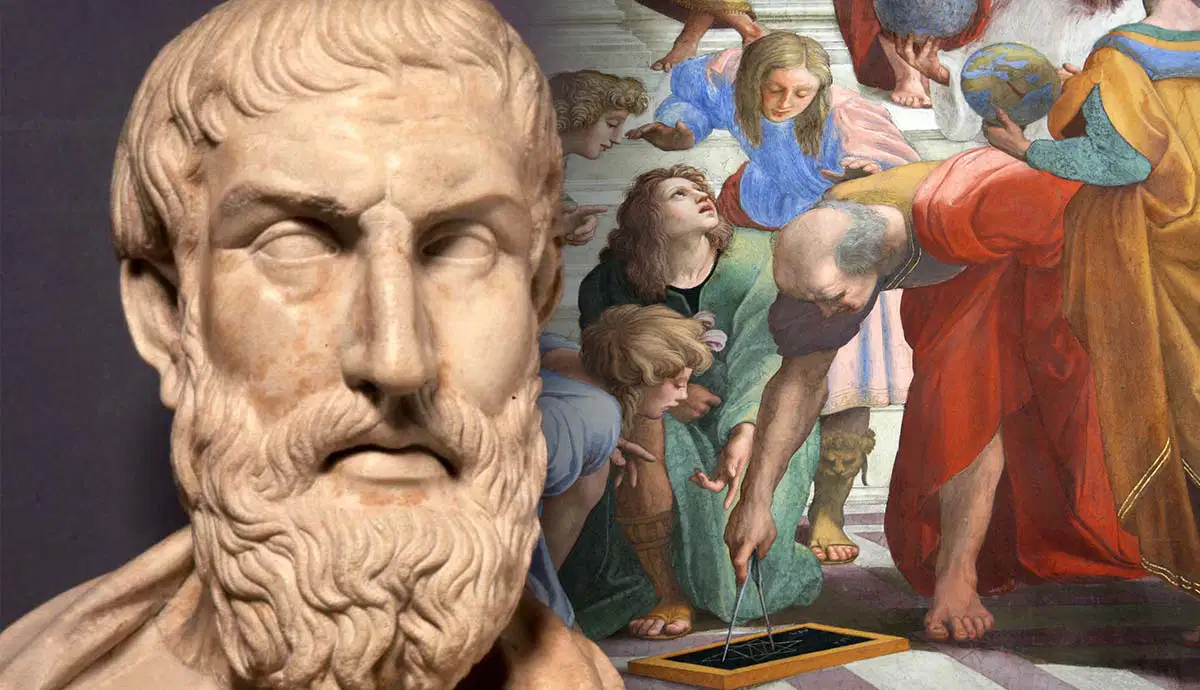
In the vibrant intellectual landscape of ancient Greece, few groups were as polarizing as the Sophists. Emerging in the 5th century BCE, these itinerant teachers traversed the Greek world, offering education in rhetoric, public speaking, and virtue — for a fee. While they played a crucial role in shaping Athenian society, their methods and motivations sparked fierce debate, earning them a reputation that oscillated between enlightened educators and cunning skeptics. Understanding the Sophists requires exploring their teachings, their impact, and the controversy that continues to surround them.
Who Were the Sophists?
The term "sophist" originally meant "wise one" or "expert," but over time, it came to describe a particular class of teachers who specialized in rhetoric and persuasion. The most notable Sophists included Protagoras, Gorgias, and Hippias, each contributing unique perspectives to the intellectual discourse of the time.
The Sophists taught skills that were highly valued in democratic Athens, where success in public life depended on one's ability to argue persuasively in the assembly or court. Their instruction encompassed a broad range of subjects, including ethics, politics, grammar, and even natural philosophy. Yet, it was their focus on rhetoric — the art of persuasion — that made them controversial.
Philosophy and Relativism
One of the most provocative aspects of Sophist thought was its embrace of relativism. Protagoras famously declared, "Man is the measure of all things," suggesting that truth is subjective and shaped by individual perception. This epistemological stance challenged the traditional belief in objective truth and divine authority.
Moreover, the Sophists questioned the existence of absolute morality. They argued that laws and customs were human inventions, varying across cultures and contexts. This perspective led some to accuse them of moral nihilism, claiming that their teachings undermined ethical standards and encouraged manipulation for personal gain.
Educators of Excellence
Despite these accusations, the Sophists made significant contributions to education and democracy. They democratized knowledge by offering instruction to those outside the aristocracy, fostering critical thinking and debate. Through their teachings, students learned to analyze arguments, question assumptions, and navigate complex social and political landscapes.
The Sophists' emphasis on persuasive speech also played a key role in shaping the Athenian legal system and democratic processes. Mastery of rhetoric allowed citizens to participate more effectively in public life, advocating for policies and defending themselves in court.
Criticism and Legacy
The Sophists' methods and beliefs attracted fierce criticism from other philosophers, most notably Socrates, Plato, and Aristotle. Plato, in particular, depicted the Sophists as charlatans who prioritized winning arguments over seeking truth. In his dialogues, Plato portrayed Socrates as a counterpoint to the Sophists, advocating for the pursuit of objective knowledge and moral integrity.
Yet, it is worth noting that much of what we know about the Sophists comes from their critics. Contemporary scholars argue that this negative portrayal may be exaggerated and that the Sophists' contributions to education and public discourse were more constructive than their detractors admitted.
Conclusion: Educators or Skeptics?
The debate over the Sophists' role in ancient Greece reflects deeper questions about the nature of truth, morality, and education. Were they enlightened educators who equipped citizens with essential skills for participation in democracy? Or were they cunning skeptics who peddled persuasive tricks, indifferent to truth and virtue?
Perhaps the answer lies somewhere in between. The Sophists undoubtedly shaped the intellectual and political landscape of their time, challenging traditional norms and broadening access to education. Their legacy endures in modern debates over relativism, rhetoric, and the purpose of education — a testament to the enduring complexity of their contributions.