Introduction
The tragic story of Niobe is one of Greek mythology's most powerful lessons against arrogance and excessive pride. Niobe, queen of Thebes and wife of King Amphion, boasted that she was superior to the goddess Leto because she had many beautiful children while Leto had only two—Apollo and Artemis. Her public insults provoked divine vengeance, leading to one of mythology's greatest family tragedies.
Niobe's Pride
Confident in her wealth and large family, Niobe encouraged the people of Thebes to honor her instead of Leto. She mocked the goddess for having only two offspring, believing that her own numerous sons and daughters made her more worthy of admiration.
Such pride, or hubris, was considered a serious offense against the gods.
Divine Punishment
Leto appealed to her children for justice. Apollo slew all of Niobe's sons with his arrows, while Artemis killed her daughters with equal precision.
The once joyful palace became silent as every one of Niobe's children perished.
Transformation into Stone
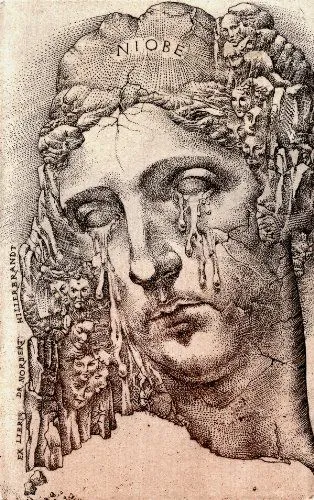
Overwhelmed by grief, Niobe wandered into the mountains, weeping endlessly for her lost family. Eventually, the gods transformed her into a stone statue upon Mount Sipylus.
Even after becoming stone, legend says that tears continued to flow from the rock, symbolizing eternal mourning.
Legacy
Greek poets frequently cited Niobe as the perfect example of the dangers of pride and disrespect toward the gods. Her story inspired countless works of sculpture, painting, literature, and tragedy.
Conclusion
The story of Niobe reminds readers that excessive pride invites disaster. Her transformation into stone symbolizes eternal sorrow and the lasting consequences of challenging divine authority.