Introduction
Hecuba, queen of Troy and wife of King Priam, witnessed the complete destruction of her family and kingdom during the Trojan War. Once one of the most powerful women in Asia Minor, she became a symbol of maternal grief, endurance, and the devastating consequences of war.
Queen of Troy
Hecuba gave birth to many children, including Hector, Paris, Cassandra, Polyxena, and Polydorus. Throughout the Trojan War, she supported her family while repeatedly urging peace and caution.
The Fall of Troy
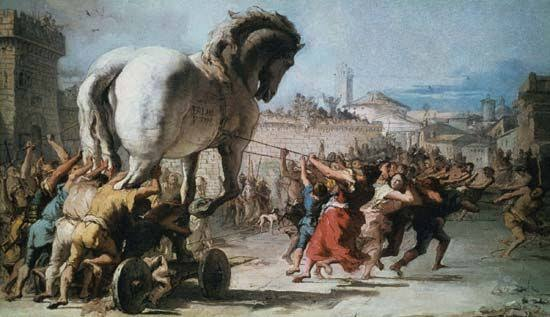
After the Greeks entered Troy using the Wooden Horse, the city was overwhelmed. Priam was killed at the altar of Zeus, Hector had already fallen to Achilles, Paris died from his wounds, and Cassandra was taken captive.
Hecuba herself became a slave assigned to the Greek commander Odysseus.
Further Tragedies
The suffering continued after Troy's destruction. Her daughter Polyxena was sacrificed at Achilles' tomb, while her son Polydorus was murdered by King Polymestor, who had been entrusted with his protection.
In revenge, Hecuba blinded Polymestor and killed his sons before being taken away into captivity.
Legacy
Greek tragedians, especially Euripides, portrayed Hecuba as the ultimate example of how war destroys not only cities but also families, dignity, and hope.
Conclusion
The story of Hecuba is one of Greek mythology's most moving tragedies. Her transformation from powerful queen to grieving captive reflects the terrible human cost of war and the enduring strength of a mother's love in the face of unimaginable loss.