Introduction
The Aegis was one of the most powerful divine objects in Greek mythology. Closely associated with Zeus and later Athena, the Aegis was not merely a shield but a supernatural protective mantle capable of inspiring terror among enemies. Its appearance on the battlefield symbolized divine authority, invincibility, and the overwhelming power of Olympus.
Origins of the Aegis
Ancient traditions vary regarding its creation. Some describe the Aegis as a shield crafted by Hephaestus, while others identify it as the magical goatskin of the divine goat Amalthea, who nursed the infant Zeus.
Regardless of its origin, the Aegis became Zeus' most feared defensive weapon.
Appearance and Powers
The Aegis was decorated with golden tassels and prominently displayed the severed head of Medusa, whose petrifying gaze struck terror into all who looked upon it.
When Zeus shook the Aegis, violent storms erupted, thunder roared, lightning flashed, and entire armies fled in panic.
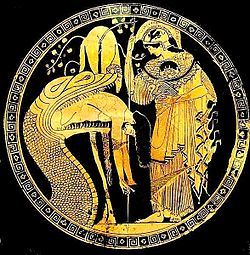
Athena later carried the Aegis during battles, using it to protect heroes and intimidate enemies.
Symbolic Meaning
The Aegis represented divine protection, royal authority, military strength, and justice. It became one of the most recognizable symbols of Zeus' sovereignty over both gods and mortals.
Conclusion
The Aegis embodied the irresistible power of Olympus, serving as both a shield of protection and a weapon of fear that reinforced Zeus' supreme authority.