Introduction
The Myrmidons were the legendary warrior people who became famous as the loyal soldiers of Achilles during the Trojan War. According to Greek mythology, their extraordinary origins began with a terrible plague that depopulated the island of Aegina. Desperate to restore his kingdom, King Aeacus, the son of Zeus, prayed for divine assistance. Zeus answered by transforming ordinary ants into human beings, creating the Myrmidons—a disciplined and fearless race of warriors. Their name comes from the Greek word myrmex, meaning "ant," reflecting both their miraculous creation and their unwavering obedience.
The Plague of Aegina
The island of Aegina suffered a devastating epidemic sent by the jealous goddess Hera, who sought revenge against Zeus and his mortal descendants. The disease killed nearly the entire population, leaving King Aeacus without subjects to cultivate the land or defend the kingdom.
Standing beneath a sacred oak tree inhabited by countless ants, Aeacus prayed that Zeus would restore his people by making his kingdom as numerous as the insects before him.
The Birth of the Myrmidons
That night, Zeus answered the king's prayer. In a dream, Aeacus saw the ants fall from the branches of the sacred oak and transform into full-grown men and women. Upon awakening, he discovered that the vision had become reality. The island was once again populated by strong, hardworking people who inherited the discipline, cooperation, and tireless work ethic of ants.
These new inhabitants became known as the Myrmidons and quickly earned a reputation for courage, loyalty, and military excellence.
The Warriors of Achilles
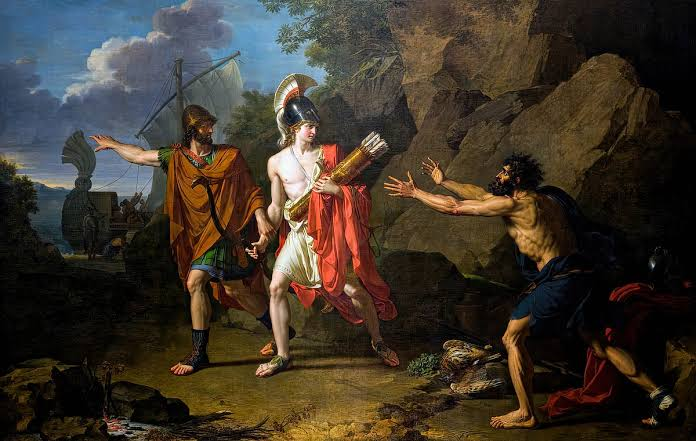
Generations later, the Myrmidons became the elite soldiers commanded by Achilles during the Trojan War. Unlike ordinary warriors, they displayed absolute loyalty to their leader and fought with remarkable discipline. Their arrival on the battlefield often struck fear into Trojan forces because of their exceptional courage and effectiveness in combat.
Following the death of Achilles' close companion Patroclus, the Myrmidons fought with even greater determination, helping Achilles defeat many of Troy's greatest champions.
Symbolism and Legacy
The myth emphasizes the virtues of unity, discipline, loyalty, and perseverance. Just as ants cooperate for the benefit of their colony, the Myrmidons represented the ideal of soldiers who placed duty above personal ambition.
Today, the term "Myrmidon" continues to describe a loyal follower or devoted subordinate.
Conclusion
The legend of the Myrmidons illustrates how divine intervention transformed a kingdom devastated by tragedy into one of Greece's greatest military forces. Their miraculous origin and unwavering loyalty made them legendary warriors whose reputation endured throughout Greek mythology.