• Home page/Blog
    • Ancient Greece
    • Archaeology
    • Mythology
    • Architecture
    • Artefact
    • Inventions
    • Tourism
    • News
    • Science
    • General
    • Weird
    • Recipes
    • Blog
  • About
  • Contact
Menu

GHD

  • Home page/Blog
  • History
    • Ancient Greece
    • Archaeology
    • Mythology
  • Art
    • Architecture
    • Artefact
    • Inventions
  • Travel
    • Tourism
  • Other
    • News
    • Science
    • General
    • Weird
    • Recipes
    • Blog
  • About
  • Contact
No results found

The Role of Morpheus: The God of Dreams

July 28, 2026

Introduction

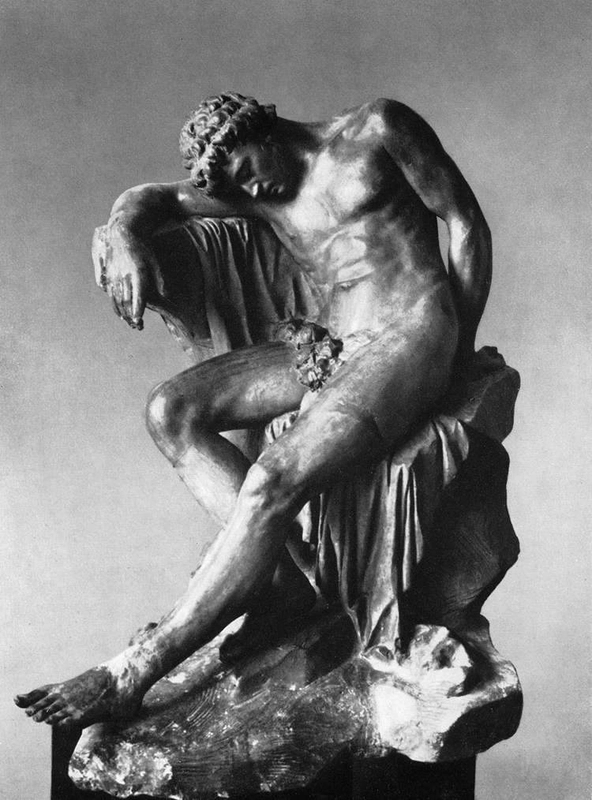
Morpheus was the Greek god of dreams, responsible for appearing in human sleep and delivering messages through realistic visions. A son of Hypnos, the god of sleep, Morpheus belonged to the divine family known as the Oneiroi, spirits who governed different kinds of dreams.

Master of Human Dreams

Morpheus possessed the unique ability to assume the appearance, voice, and behavior of any human being. Through dreams, he conveyed warnings, prophecies, encouragement, or divine instructions from the gods.

Unlike other dream spirits, Morpheus specialized in realistic dreams involving human figures.

Relationship with the Oneiroi

His brothers served different functions: Phobetor created nightmares involving animals and monsters, while Phantasos generated dreams filled with landscapes, objects, and fantastical imagery.

Together, they emerged each night from the Cave of Sleep to visit sleeping mortals.

Influence

Greek literature often portrayed dreams as important communications from the gods, making Morpheus an essential intermediary between the divine and mortal worlds.

His name later inspired the word "morph", reflecting his power to change shape.

Conclusion

Morpheus symbolized the mysterious connection between dreams, imagination, and divine revelation. His ability to shape lifelike visions made him one of Greek mythology's most fascinating dream deities.
← The Tale of Erichthonius: The Serpent-King of AthensThe Story of Hecuba and the Fall of Troy →
Featured
1_-BmQ2zRHbfK3g7xONYl2-w.jpg
October 30, 2026
The Greek Idea of the “Good Life”
October 30, 2026
Read more →
October 30, 2026
images (7).jpeg
October 30, 2026
Virtue, Reason, and the Greek Moral Code
October 30, 2026
Read more →
October 30, 2026
images (8).jpeg
October 30, 2026
Greek Tragedy and Philosophy: How Drama Taught Ethics
October 30, 2026
Read more →
October 30, 2026
images (9).jpeg
October 30, 2026
The Greek Notion of “Hubris” and Its Role in Tragedy
October 30, 2026
Read more →
October 30, 2026
images (10).jpeg
October 30, 2026
Fate and Free Will in Ancient Greek Thought
October 30, 2026
Read more →
October 30, 2026
what-made-greek-philosophers-unique.jpg
October 30, 2026
The Legacy of Greek Philosophy in Today’s World
October 30, 2026
Read more →
October 30, 2026
main-qimg-810b6cde16f9b9d47759e2b64db08866-lq.webp
October 30, 2026
Comparing Socrates, Plato, and Aristotle in One Article
October 30, 2026
Read more →
October 30, 2026
images (11).jpeg
October 30, 2026
10 Ancient Greek Sites You Must Visit in Your Lifetime
October 30, 2026
Read more →
October 30, 2026
SEE MORE

Powered by ©GreeceHighDefinition / Privacy Policy