Introduction
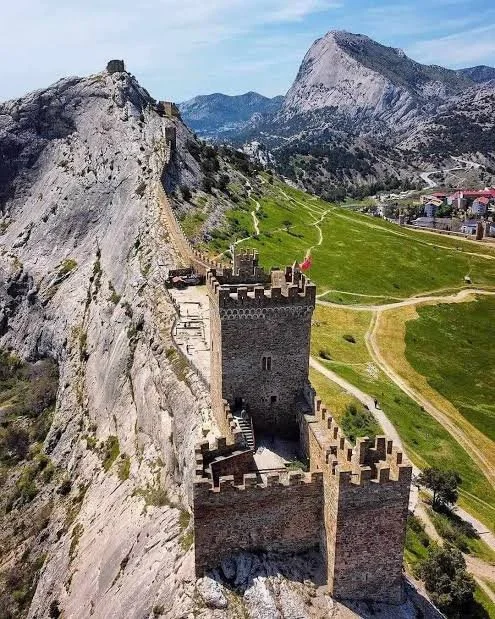
The Vardar River, known in antiquity as the Axios, is one of the principal waterways of the central Balkans. Flowing through the region of present-day North Macedonia and into northern Greece, it forms a natural corridor linking the Balkan interior with the Aegean coast. Throughout antiquity, this corridor facilitated military movement, trade, communication, and the administration of territories extending between the Danube frontier and the Mediterranean.
For the Roman Empire, the region surrounding the Vardar River was strategically important because it connected Macedonia with neighboring Balkan provinces. Roman armies moved along established roads, occupied fortified settlements, protected transport routes, and maintained communication between military centers. The soldiers serving in this region were part of a much larger imperial military system whose effectiveness depended on discipline, regular pay, supplies, and loyalty to commanders.
Roman military history includes numerous episodes of mutiny. Soldiers sometimes protested unpaid wages, demanded improved conditions, challenged appointments, or resisted orders during periods of political instability. However, a general history of Roman mutinies should not be mistaken for proof of a particular rebellion near the Vardar River. Establishing such an incident requires a contemporary or otherwise credible source connecting a specific military unit to a documented location and event.
The region nevertheless offers a valuable setting for examining the conditions under which Roman soldiers served, the causes of military discontent, and the importance of discipline in maintaining imperial authority.
The Vardar River and Roman Macedonia
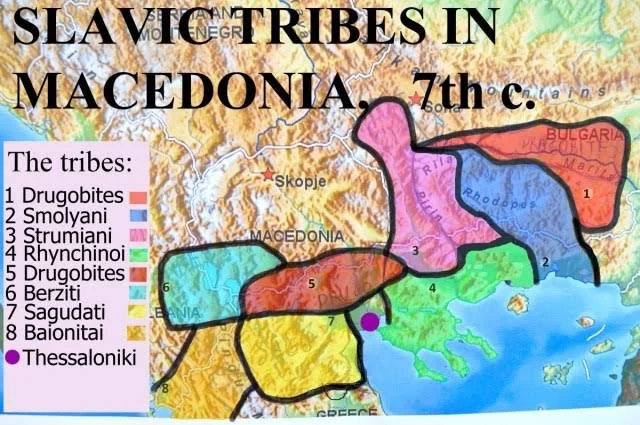
The Vardar River follows a route through the central Balkans before reaching the Aegean near the Thessaloniki region. In antiquity, the surrounding valleys and plains formed part of a broader landscape connecting Macedonia with inland territories.
Roman Macedonia became a province after the Roman defeat of the Macedonian kingdom in the second century BCE. The region was subsequently integrated into the Roman political and administrative system. Its cities, agricultural districts, roads, and commercial centers contributed to the economic and strategic importance of the province.
Road networks were essential to Roman administration. They enabled officials to travel between settlements, facilitated the movement of goods, and allowed military forces to respond to threats. The famous Via Egnatia connected the Adriatic region with Thessaloniki and the eastern Mediterranean, crossing parts of the Roman Balkans. Its route was not identical to the Vardar River, but it belonged to the wider network of communications that made Macedonia strategically important.
The Vardar valley and surrounding routes could support movement between the interior and the Aegean. Soldiers might travel through the region during campaigns, escorts, transfers between posts, or operations intended to secure provincial territory.
Military activity in the Balkans varied across the Roman period. During some eras, the region functioned primarily as a route through a relatively stable provincial landscape. During others, especially when frontier pressure or civil conflict increased, the movement of troops became more urgent and dangerous.
The Roman Army and Its Soldiers
The Roman army was not a single unchanging institution. Its organization, recruitment practices, and strategic priorities evolved over centuries. During the imperial period, the principal military forces included the legions, auxiliary units, and various specialized formations. Later reforms altered the relationship between mobile field armies and frontier garrisons.
Legionaries were professional soldiers who served under established military structures. Their duties included combat, guard service, construction, patrols, training, and the maintenance of military installations. Soldiers could spend long periods away from their home communities and were expected to obey orders even under difficult conditions.
Military life involved a combination of institutional discipline and material expectations. Soldiers required food, clothing, weapons, equipment, and regular compensation. Their commanders were responsible for maintaining order and ensuring that troops remained capable of performing their duties.
The quality of military life depended on circumstances. A well-supplied unit stationed in a secure area faced different pressures from a force undertaking a prolonged campaign. Harsh weather, disease, delayed provisions, and uncertainty about future service could weaken morale.
Legionaries also developed strong relationships with fellow soldiers. Shared training, service, and danger could produce loyalty to a unit and its commanders. Such solidarity strengthened military effectiveness, but it could also make collective protest possible when soldiers believed that their interests had been neglected.
Why Roman Soldiers Mutinied
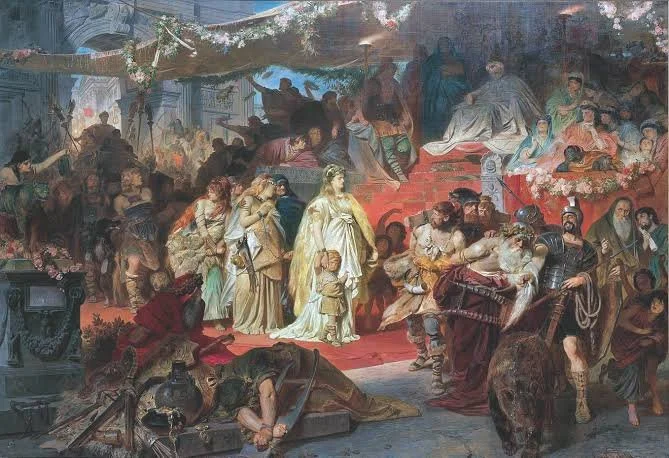
Mutiny was one of the most serious challenges to Roman military authority. A disciplined army depended on obedience, yet soldiers could collectively resist when the demands of service conflicted with their expectations or when confidence in their leaders collapsed.
Unpaid wages and financial grievances
Compensation was an important element of the relationship between soldiers and the state. Delays in payment could generate anger, particularly when troops believed that officers or political leaders were withholding money that had been promised.
Financial disputes were not limited to ordinary wages. Soldiers might also expect bonuses, rewards following a military victory, or payments associated with accession ceremonies and other political events. A new emperor could face demands from the army, while an established ruler might encounter resistance if troops believed that their service had not been properly rewarded.
Conditions of service
Soldiers could object to prolonged campaigns, harsh assignments, or changes in service expectations. The prospect of extended deployment far from home could be particularly difficult for men who had spent many years in the army.
In frontier regions, soldiers might be required to patrol exposed routes, defend isolated posts, or respond to sudden threats. The combination of danger and limited opportunities for rest could increase dissatisfaction.
Leadership disputes
Roman armies were deeply affected by relationships between commanders and their troops. A respected commander could maintain loyalty under difficult circumstances, while an unpopular or distrusted officer might struggle to enforce discipline.
Mutiny could occur when soldiers believed that a commander had acted dishonorably, endangered the army unnecessarily, or failed to secure their interests. Disputes over appointments and succession could also create divisions within the military.
Political instability
The Roman army played a significant role in imperial politics. During periods of disputed succession or civil war, military units could support rival claimants. Soldiers might refuse to recognize a commander, acclaim a different candidate, or demand that political authorities respond to their grievances.
Such events were not always simple protests over living conditions. They could become part of a wider struggle over imperial power.
Documented Mutinies and the Problem of Regional Attribution
Roman sources record important military mutinies in several periods. The mutinies that followed the death of Augustus in 14 CE, for example, involved troops stationed along the Rhine and in Pannonia. Soldiers raised complaints concerning service conditions, pay, and discharge. These events demonstrate that collective military protest could become a serious political problem.
However, the Pannonian mutiny should not be relocated to the Vardar River simply because both regions belonged to the broader Roman Balkans. Pannonia and Macedonia were distinct geographic and administrative settings. A historical account must preserve the locations identified in the sources.
Similarly, later military rebellions associated with disputed emperors or ambitious generals occurred in different parts of the empire. These episodes can illuminate the causes and consequences of mutiny, but they do not establish that the same events happened near the Vardar.
The distinction between general military history and local history is essential. A claim about legionaries mutinying near the Vardar requires evidence identifying the troops, the approximate date, and the circumstances. Without that evidence, the region can be discussed as a strategic military corridor, but a specific mutiny should not be presented as a documented event.
The Consequences of Mutiny
Mutiny threatened more than the immediate authority of a commander. A military unit that refused orders could compromise an entire campaign, weaken a frontier, or encourage other troops to challenge their superiors.
The response depended on the political circumstances. Commanders might negotiate, promise additional rewards, replace officers, or attempt to restore order through public ceremonies and assurances. In more serious cases, military discipline could be reestablished through punishment.
Collective protest could also produce political consequences. An emperor who relied on military support might be forced to address the army's demands. A general whose authority depended on the loyalty of his troops could lose control if the soldiers rejected his leadership.
At the same time, not every instance of collective complaint developed into an attempt to overthrow authority. Soldiers could express grievances and subsequently return to service after receiving concessions. Historians must distinguish between mutiny, military negotiation, desertion, and rebellion against the emperor.
The Archaeological Landscape of the Vardar Corridor
Archaeology can help reconstruct the military environment in which Roman soldiers operated. Remains of roads, bridges, fortifications, settlements, inscriptions, and military equipment can reveal the presence and organization of Roman authority.
A military installation might indicate that troops were stationed in a particular area, but it would not necessarily demonstrate that a mutiny occurred there. Archaeological evidence is generally more effective at reconstructing infrastructure, occupation, and patterns of activity than at identifying the motives of a particular group of soldiers.
Inscriptions can sometimes provide more direct information. Military inscriptions may name units, officers, emperors, or individuals responsible for construction and dedication. These records can help establish the presence of a military formation during a particular period.
Even so, the absence of an inscription mentioning a mutiny does not prove that no military dispute ever occurred. Many events left little or no material evidence, and surviving inscriptions usually reflect specific purposes rather than comprehensive historical reporting.
A convincing reconstruction would combine archaeological evidence with written sources and a careful examination of the region's administrative history.
Conclusion
The Vardar River corridor occupied an important position in the Roman Balkans. Its connections between inland territories and the Aegean made the surrounding region relevant to military movement, provincial administration, and the protection of communication routes.
Roman soldiers serving in the wider region were subject to the same institutional pressures that affected armies elsewhere in the empire. Financial grievances, difficult service conditions, leadership disputes, and political instability could contribute to collective resistance. Roman history provides documented examples of mutiny, demonstrating the importance of military loyalty to imperial government.
Nevertheless, a specific mutiny near the Vardar River must be supported by evidence that identifies the event and its location. Mutinies documented in Pannonia, along the Rhine, or elsewhere cannot be reassigned to Macedonia without justification.
The subject is therefore best understood through the relationship between military institutions and regional geography. By distinguishing the well-documented causes of Roman mutiny from uncertain local claims, historians can investigate the Vardar corridor without turning a plausible historical setting into an invented event.