Introduction
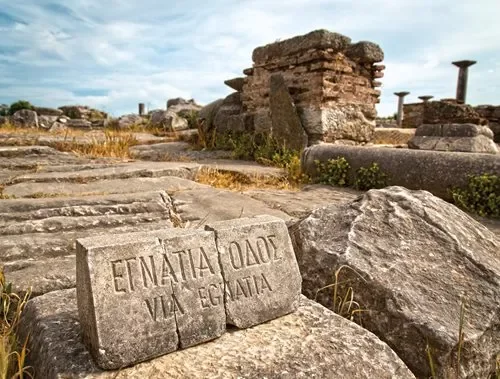
Philippi, located in eastern Macedonia near the modern city of Kavala, was one of the most important urban centers in the northern Aegean. Founded by Philip II of Macedon and later developed as a Roman colony, the city remained significant during the Byzantine period.
Its strategic position connected agricultural territories with major transportation routes and regional markets. Food storage was essential to maintaining urban populations, supporting military activity, and managing agricultural production.
The possibility of Byzantine grain silos in the outskirts of Philippi raises questions about food security, rural settlement, and the organization of agricultural resources. Although grain storage was important throughout Byzantine history, particular silo complexes near Philippi require archaeological verification.
Philippi During the Byzantine Period
Philippi experienced major changes after the Roman period.
Its urban landscape gradually adapted to the political, religious, and economic conditions of the Byzantine Empire.
Christian buildings became prominent, while older Roman structures were reused, modified, or abandoned.
The city remained connected to surrounding agricultural areas, where farming communities produced grain, livestock, and other goods.
These resources supported local consumption and wider regional exchange.
The Importance of Grain Storage
Grain was one of the most important food resources in the Byzantine world.
Wheat and barley could be used for bread, porridge, animal feed, and other basic foods.
Agricultural production was seasonal, while consumption continued throughout the year.
Storage facilities helped communities preserve harvests and manage periods when fresh grain was unavailable.
They also reduced the risk associated with poor harvests, transportation interruptions, and military conflict.
Byzantine Storage Architecture
Byzantine storage facilities varied according to location and purpose.
Some buildings contained large rooms with raised floors or carefully prepared surfaces.
Others used underground or semi-underground storage spaces designed to protect grain from moisture and pests.
In rural environments, storage pits and smaller granaries could serve individual households or agricultural estates.
Larger installations might support monasteries, military establishments, or urban populations.
The architectural form depended on available materials, climate, and the scale of storage required.
Identifying a Grain Silo
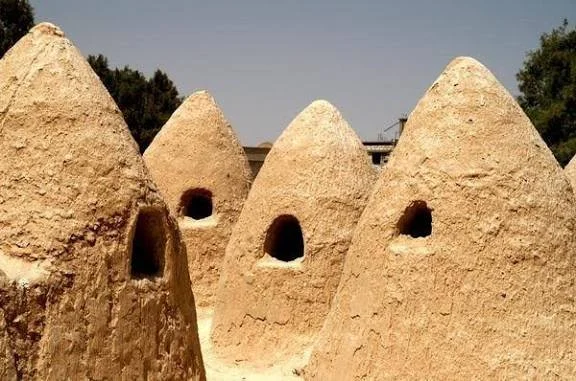
A silo is a structure designed primarily for storing bulk agricultural products.
Archaeologists distinguish silos from other storage facilities through their shape, construction, capacity, and relationship to nearby buildings.
Underground silos may have narrow openings and wider internal chambers.
Their interiors might contain traces of plaster or other protective coatings.
However, a circular underground structure is not automatically a grain silo. It could have served as a cistern, refuse pit, storage chamber, or another installation.
Evidence of stored plant material and the surrounding archaeological context is essential.
The Agricultural Landscape Around Philippi
The countryside around Philippi supported agricultural activity.
Its plains and surrounding valleys provided opportunities for cultivating cereals, raising livestock, and producing other food resources.
Rural settlements were connected to the city through roads and smaller transportation routes.
Storage facilities located outside the urban center could have supported agricultural estates or nearby communities.
Their position would have reduced the need to transport harvested grain immediately to distant markets.
Grain, Monasteries, and Religious Institutions
Byzantine monasteries often possessed agricultural properties.
These estates produced food for monks, visitors, workers, and charitable activities.
Grain storage could therefore form part of a monastery's economic infrastructure.
Religious institutions sometimes played important roles in local food distribution.
Nevertheless, identifying a particular silo as monastic requires evidence linking it to a monastery or associated property.
Archaeobotanical Research
Plant remains can provide valuable evidence about ancient storage.
Researchers examine carbonized grains, seeds, husks, and other botanical material recovered from archaeological deposits.
These remains can reveal which crops were cultivated and stored.
Microscopic analysis may help identify the species present.
Soil samples can also contain pollen and other environmental evidence that contributes to reconstructing the agricultural landscape.
Storage and Food Security
Grain storage was closely connected to political and economic stability.
A community with adequate reserves could better withstand interruptions in supply.
Storage facilities also allowed agricultural surpluses to be collected, redistributed, or sold.
In periods of conflict, stored grain could become a strategic resource.
This makes grain storage an important subject for understanding the relationship between rural production and urban survival.
Conservation and Future Research
Ancient storage structures are vulnerable to erosion, water infiltration, vegetation, and modern construction.
Underground facilities can be particularly difficult to preserve because their walls and openings may collapse.
Archaeological documentation should record dimensions, construction materials, soil deposits, and associated objects.
Geophysical survey can help identify buried structures before excavation.
Conclusion
Byzantine grain silos in the outskirts of Philippi would provide valuable evidence about agricultural organization and food security in medieval Macedonia.
Their study could reveal how rural producers stored harvests, supplied urban populations, and participated in wider economic networks.
However, specific silo complexes near Philippi require archaeological confirmation. Their function must be established through architectural evidence, botanical remains, and secure chronological context.