Salt has been an important resource throughout human history, used in food preservation, cooking, animal husbandry, craft production, and various cultural practices. For coastal communities, seawater provided a renewable source of salt, but harvesting it required an understanding of tides, weather, evaporation, and the properties of local landscapes. In suitable environments, people could obtain salt by evaporating seawater or collecting naturally concentrated brine. Where conditions changed throughout the year, salt production may have been organized seasonally, with communities adjusting their activities according to rainfall, temperature, wind, and the availability of suitable working areas.
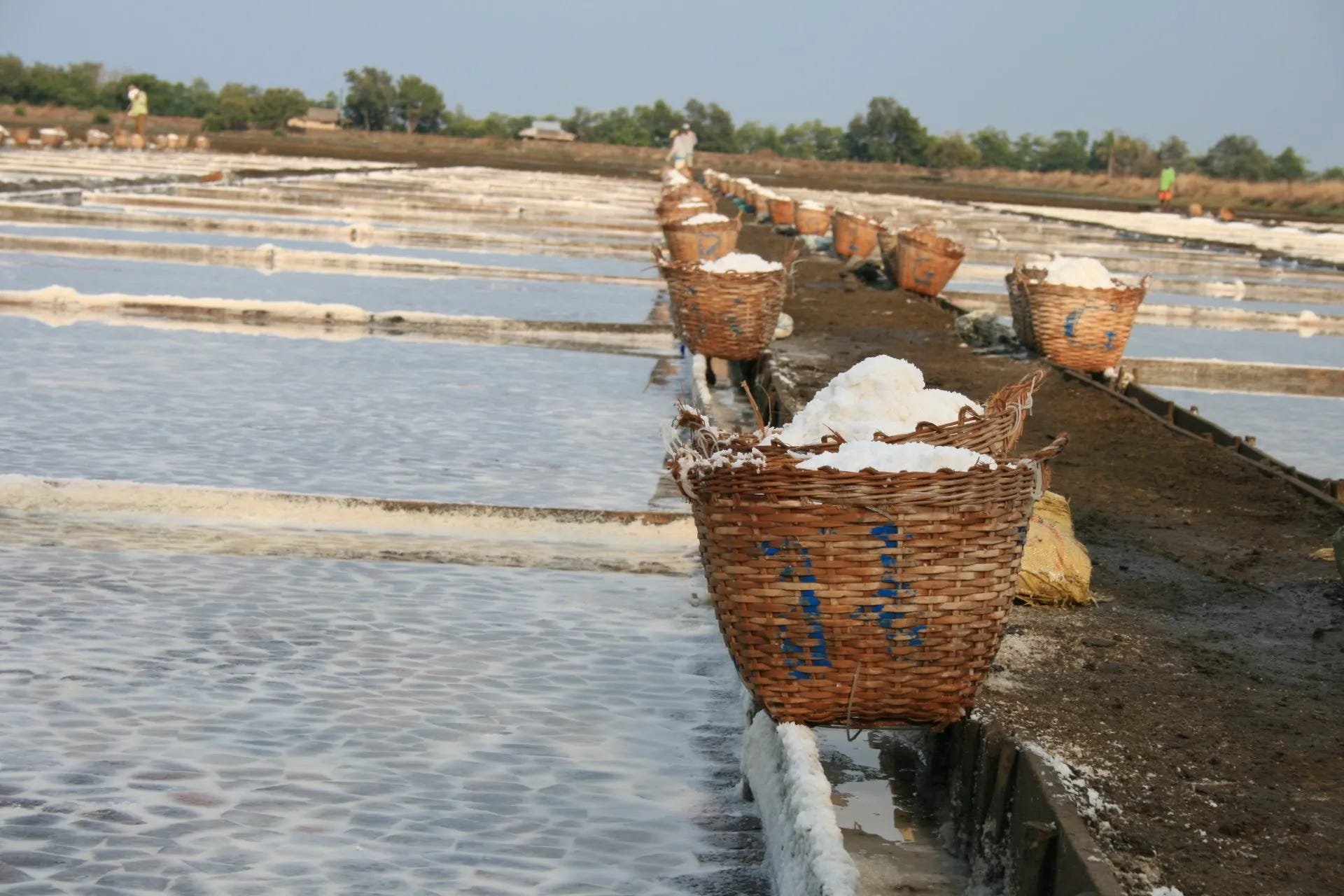
The methods used to harvest salt depended heavily on the local environment. In warm, dry regions, seawater could be directed into shallow ponds where sunlight and wind encouraged evaporation. As the water became more concentrated, salt crystals formed and could be collected. In other settings, people may have heated brine in ceramic or metal containers, allowing water to evaporate more quickly. Some communities could also have gathered salt from naturally occurring deposits or saline springs near the coast. These methods leave different archaeological traces, and not every coastal site containing salt-related remains necessarily represents a place where salt was produced.
Seasonality is a central consideration in reconstructing coastal salt harvesting. Evaporation generally becomes more effective under warm, dry, and windy conditions, while heavy rainfall can dilute brine or disrupt shallow evaporation areas. Tidal cycles and seasonal changes in seawater access may influence where saltwater could be collected. In certain locations, salt production may have been practical only during a limited part of the year, requiring workers to plan around weather and other seasonal activities. However, the length and timing of a harvesting season would vary according to local climate and production methods.
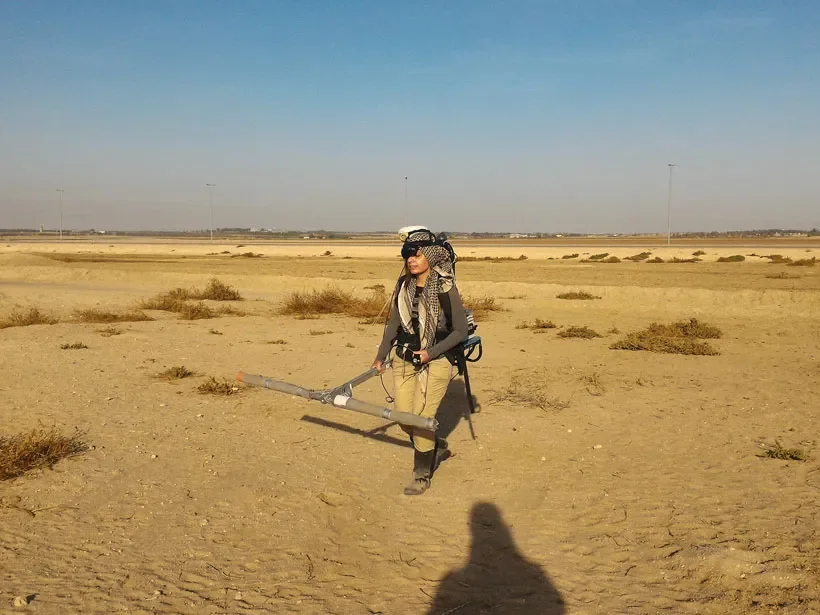
Archaeological evidence of salt production can be subtle. Shallow basins, modified ground surfaces, channels, and embankments may indicate attempts to control the movement of seawater or brine. Concentrations of ceramic fragments may represent containers used to heat or transport concentrated brine. Hearths, ash, and heat-altered surfaces can provide evidence of evaporation through heating, although they could also result from other craft activities. The identification of a salt-working site therefore depends on the relationship between several features rather than any single artifact.
Ceramic evidence can be especially informative where brine was heated in vessels. Repeated exposure to heat and saline solutions may leave deposits or changes in the ceramic surface. Some vessels may have been deliberately manufactured for salt production, while others could have been adapted from existing household forms. Broken vessels might have been discarded in large quantities if the production process involved repeated heating, rapid temperature changes, or the use of relatively fragile containers. Nevertheless, high concentrations of pottery fragments do not automatically prove salt making. Similar deposits can form at cooking sites, pottery workshops, and other locations where vessels were used intensively.
Chemical analysis may help researchers investigate whether residues are consistent with salt production. Mineral deposits on ceramic surfaces, in hearths, or within shallow basins may preserve traces of saline solutions. However, sodium chloride is soluble in water and may be difficult to identify reliably after prolonged burial, particularly in environments exposed to rain or groundwater movement. Other minerals may precipitate from brine as evaporation proceeds, but their presence must be interpreted with care because natural soil processes can produce similar deposits. Researchers often compare chemical evidence with the physical layout of a site and with experimental reconstructions of possible production methods.
The surrounding landscape can reveal why a particular location was suitable for salt harvesting. Coastal flats, sheltered lagoons, tidal inlets, and shallow estuaries may provide convenient access to seawater and broad areas for evaporation. The availability of fuel would have influenced whether heating was practical, while the presence of clay suitable for making containers could have supported production. A site near a settlement might have served local household needs, whereas a location connected to transport routes could have supplied a wider area. These possibilities need to be assessed against the scale of the archaeological remains and the resources available in the region.
Seasonal salt harvesting may have been integrated with other forms of coastal subsistence. Communities could have combined salt production with fishing, shellfish gathering, farming, or animal husbandry, shifting their labor as environmental conditions changed. Salt could help preserve fish and meat, allowing food to be stored or transported beyond the period in which it was obtained. This connection between salt production and food preservation may have influenced local economies, particularly where seasonal catches created more food than could be consumed immediately. However, evidence of salt production alone cannot establish the scale of food preservation or the extent of trade.
The organization of labor is another important aspect of seasonal production. Collecting seawater, managing evaporation areas, tending fires, processing brine, and transporting finished salt could involve different tasks. Some stages may have been carried out by individual households, while larger operations could have required cooperation among several families or groups. The archaeological record may reveal differences in the scale of production through the number of heating installations, the quantity of production debris, and the extent of modified surfaces. Still, the number of workers involved cannot be calculated directly from the size of a site because production may have taken place intermittently over many years.
Salt was valuable not only because it was useful but also because its production could be limited by environmental conditions. In regions where natural salt sources were scarce, coastal harvesting may have supported exchange between communities with different resource needs. Salt could have moved through local markets, household networks, or longer trade routes. Archaeologists can investigate these connections by examining the distribution of salt-working sites, transport routes, storage facilities, and other evidence of exchange. However, identifying salt as a traded commodity in a particular region requires more than demonstrating that it was produced there. Independent evidence is needed to establish how far it moved and who controlled its distribution.
Dating seasonal salt production presents several difficulties. Shallow evaporation areas may leave few durable materials, and production surfaces can be reused repeatedly. Ceramic fragments and charcoal from associated hearths may provide chronological information, but they must be securely linked to the production activity. Sediment layers can reveal whether a basin was constructed before or after particular environmental changes. In coastal areas, shifting shorelines and sea levels may also affect the interpretation of the site, since a former production area could now lie inland or beneath water.
Environmental reconstruction is particularly valuable because salt production depends so strongly on water and climate. Sediment cores, pollen records, and geological evidence can help establish the history of a coastline or lagoon. Changes in salinity, sedimentation, and vegetation may reveal whether an area was suitable for salt harvesting during the period of occupation. These records can also help distinguish a deliberately constructed evaporation basin from a natural depression that periodically collected saline water.
The archaeology of seasonal salt harvesting reveals how coastal communities adapted their work to the changing conditions of the shoreline. Through the study of ceramic remains, heating installations, modified landscapes, chemical residues, and environmental records, researchers can investigate how people obtained salt and incorporated its production into wider systems of subsistence and exchange. The strongest interpretations account for both the practical requirements of salt making and the uncertainty of the surviving evidence. In doing so, archaeologists can better understand how a seemingly simple resource shaped seasonal labor, food preservation, and connections between coastal communities and the wider world.