Introduction
Cape Tainaron, located at the southern tip of the Mani Peninsula in the Peloponnese, has long been associated with ancient traditions concerning the entrance to the underworld.
Ancient Greek mythology frequently placed entrances to the realm of the dead in caves, remote landscapes, and places where the natural world seemed mysterious or inaccessible.
The title Rare Underworld Gateways Beneath Cape Tainaron Caves therefore draws on a genuine mythological association, but the idea of a literal supernatural gateway should be understood as mythology rather than archaeology.
Cape Tainaron and Hades
Ancient traditions associated Cape Tainaron with an entrance through which Heracles was said to have entered the underworld.
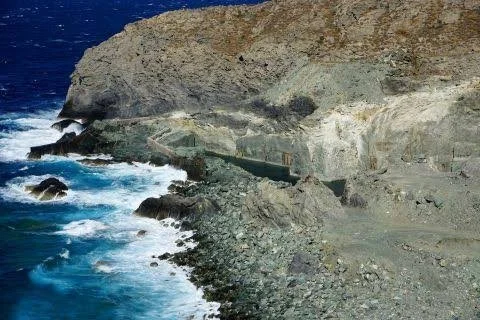
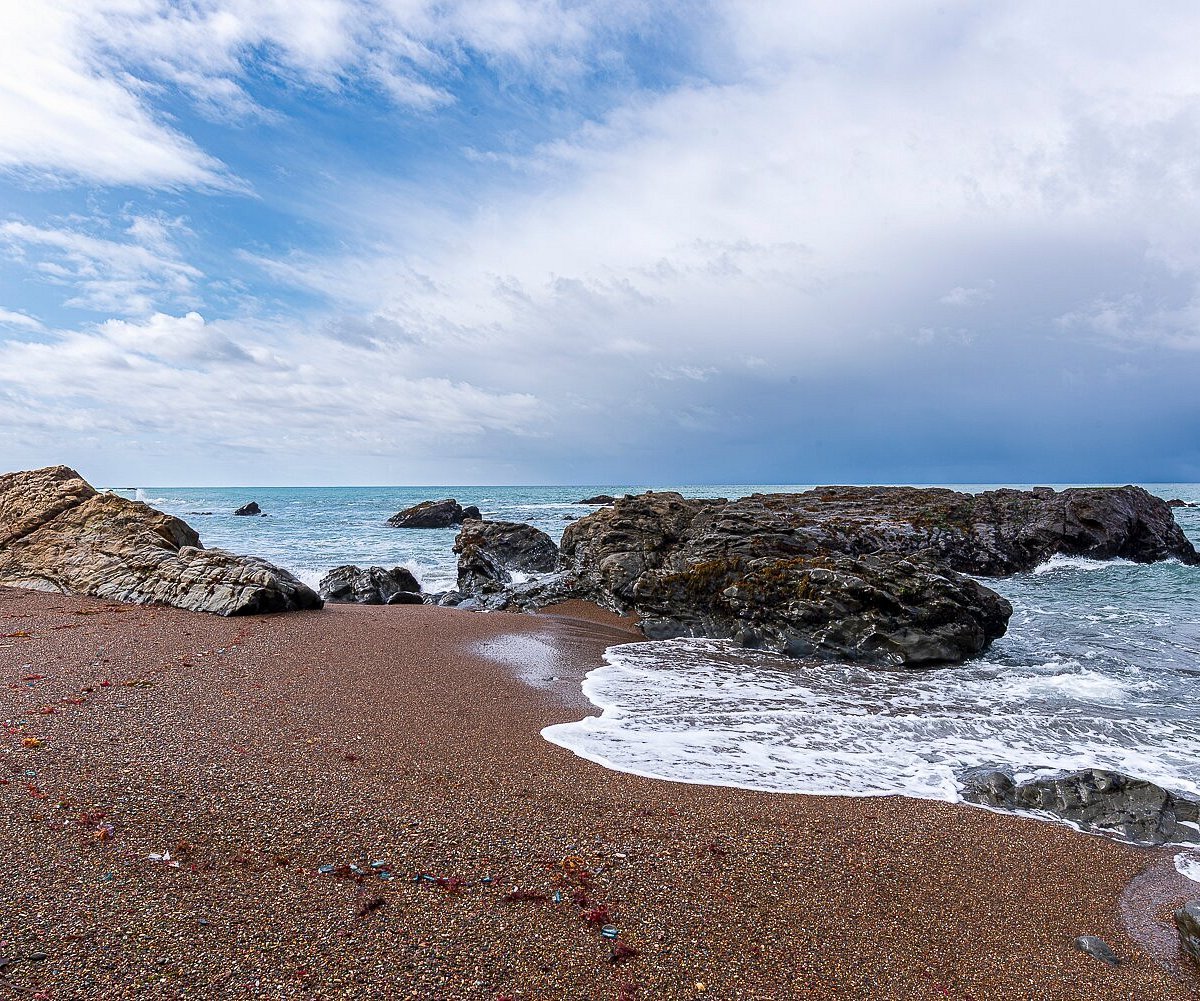
The location's caves and dramatic coastal geography likely contributed to its mythological reputation.
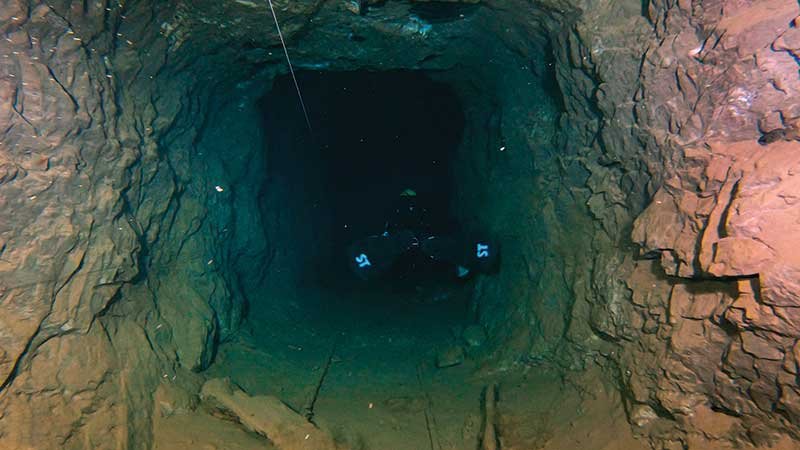
Dark caves naturally create an atmosphere of mystery.
They descend into spaces that cannot easily be seen from the outside, making them powerful symbols of passage into another world.
Caves in Ancient Religion
Caves held important symbolic roles throughout the ancient Mediterranean.
They could represent birth, transformation, death, hidden knowledge, or contact with divine forces.
Their darkness and enclosed spaces made them suitable settings for ritual activity.
A cave associated with the underworld therefore fit broader patterns of ancient religious symbolism.
Myth and Archaeology
Archaeologists can investigate caves for physical evidence such as pottery, inscriptions, offerings, architecture, and human activity.
However, finding evidence of ritual use does not prove the existence of a supernatural gateway.
Ancient people could perform ceremonies in caves because they considered them sacred without believing that a literal physical doorway to Hades existed.
Conclusion
Cape Tainaron's underworld traditions are historically and mythologically significant.
The caves provide a physical landscape that helped inspire stories about the boundary between the living and the dead.
But there is no archaeological basis for treating the site as a literal supernatural gateway.
Its importance lies in the remarkable way ancient mythology transformed a dramatic natural landscape into one of Greece's most enduring entrances to the imagined underworld.