Introduction
Hydrogen has become an important part of Europe's long-term energy strategy. It is being investigated for industrial processes, chemical production, heavy transport, energy storage, and other applications where direct electrification may be difficult.
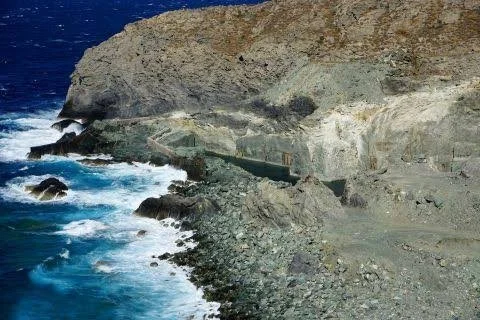
Euboea, or Evia, has a long industrial and mining history. The idea of “secret hydrogen pipelines from Euboea mines” combines this industrial heritage with an emerging energy technology.
However, there is no basis for presenting a hidden hydrogen pipeline network from Euboean mines as an established fact without engineering, regulatory, or industrial documentation.
The concept nevertheless allows us to examine how existing industrial infrastructure might intersect with Europe's emerging hydrogen economy.
Why Hydrogen Matters
Hydrogen can store chemical energy.
When hydrogen is used in a fuel cell, it can produce electricity while generating water as the primary direct product.
Hydrogen is also important as an industrial feedstock.
However, hydrogen's environmental impact depends heavily on how it is produced.
Hydrogen produced using renewable electricity can have substantially different emissions characteristics from hydrogen produced from fossil fuels without carbon capture.
Industrial Euboea
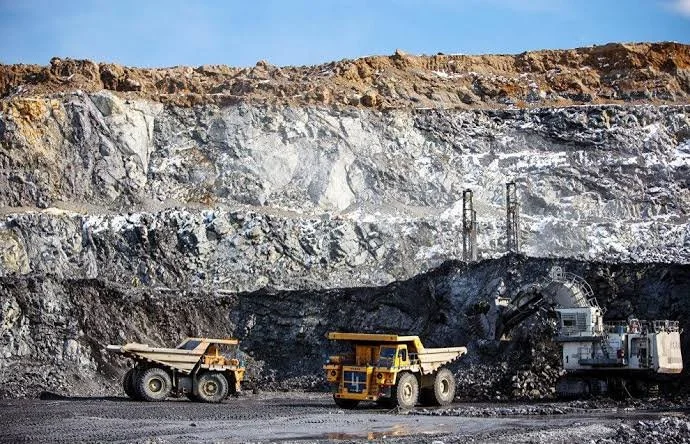
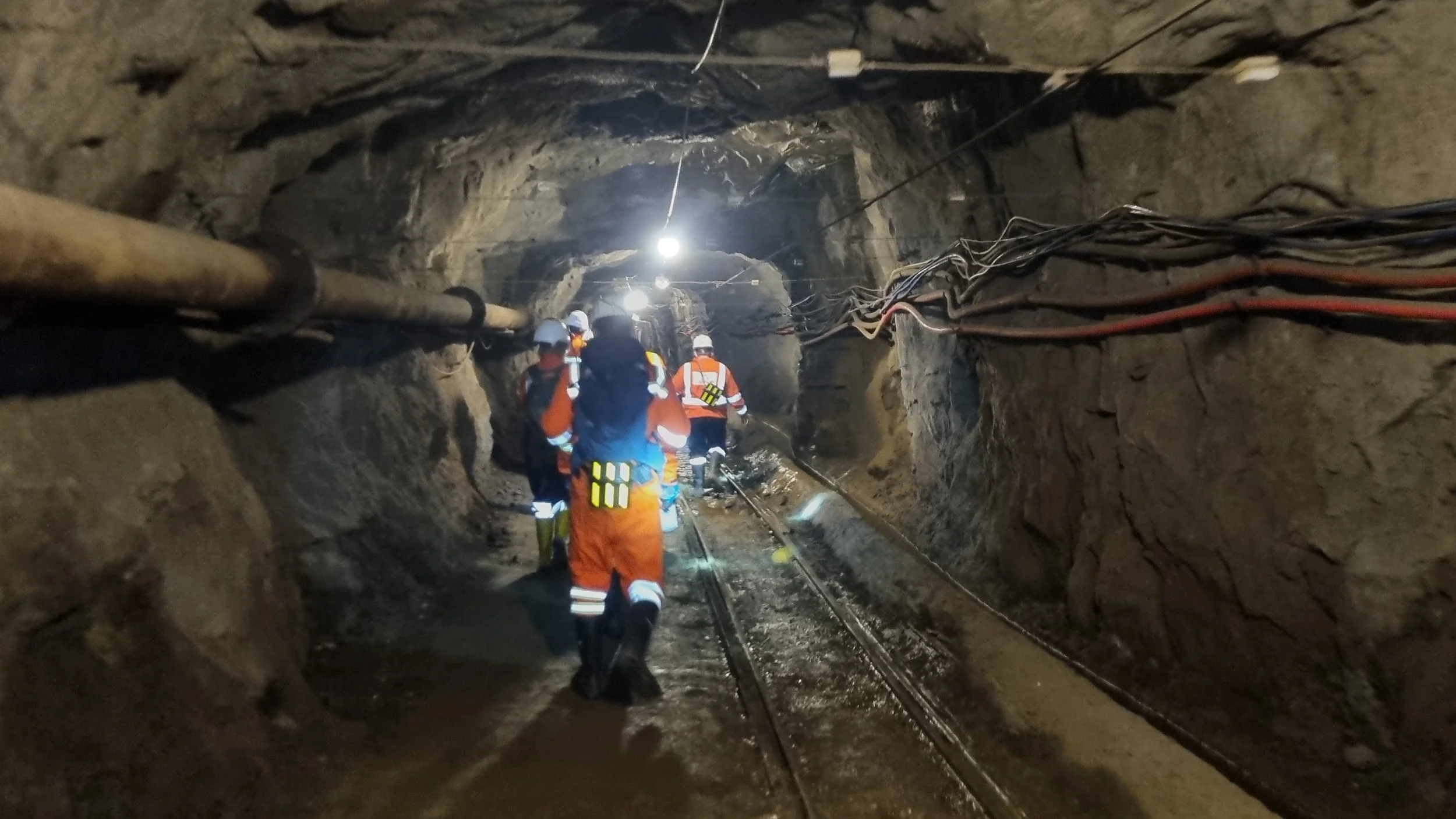
Euboea has historically supported mining and industrial activities.
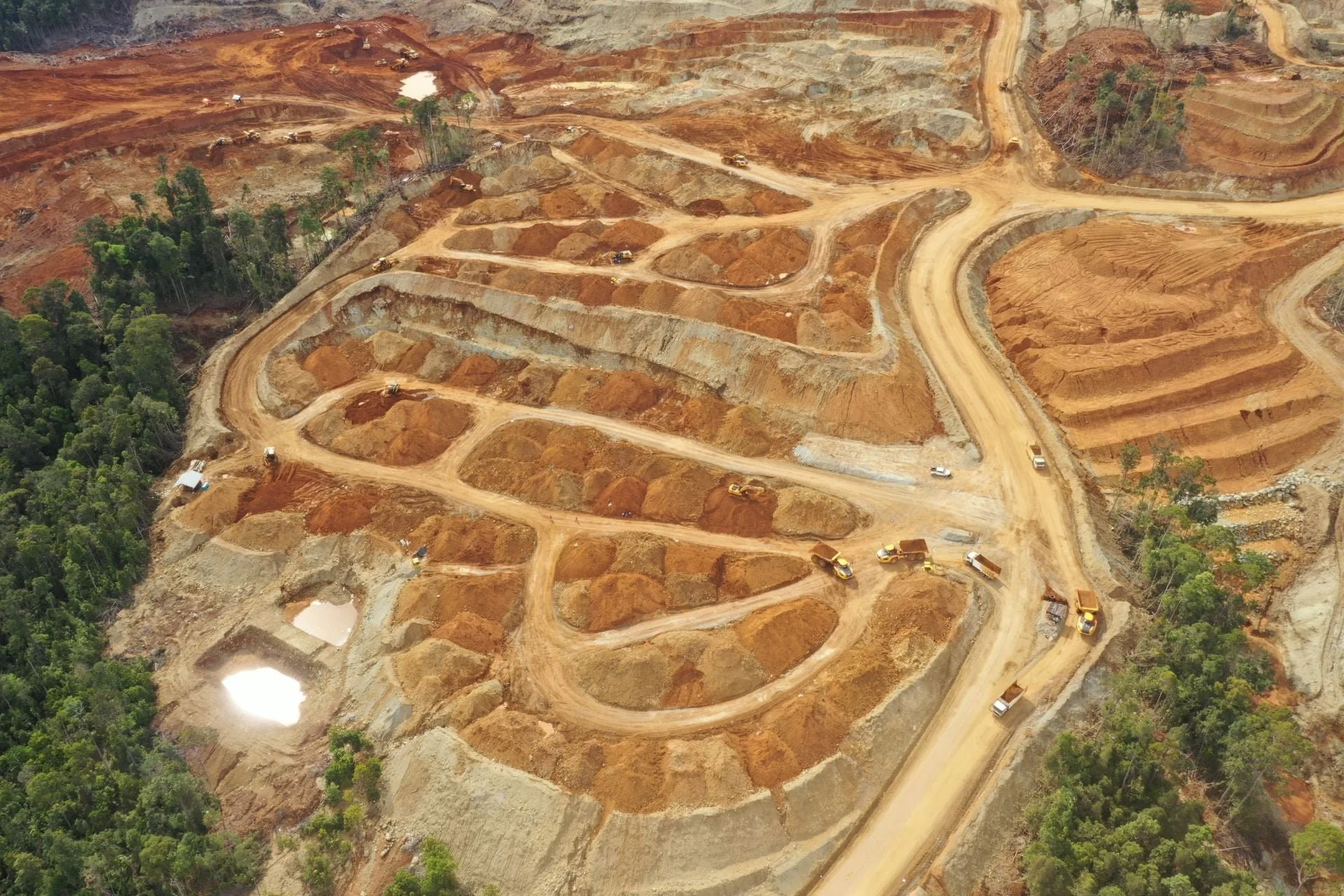
Mining regions can contain roads, power connections, processing facilities, storage areas, and industrial transport infrastructure.
This makes them potentially relevant to future industrial projects.
However, existing mining infrastructure does not automatically make a region suitable for hydrogen production or transportation.
Hydrogen requires specialized systems because the gas has distinctive physical and chemical properties.
Hydrogen Pipelines
Hydrogen can be transported through pipelines, but infrastructure must be designed appropriately.
Hydrogen molecules are extremely small and can interact with certain materials differently from natural gas.
Pipeline systems therefore require careful material selection, pressure management, monitoring, and safety procedures.
Existing natural-gas infrastructure cannot simply be assumed to be suitable for pure hydrogen without technical assessment.
Could Old Mining Infrastructure Be Reused?
Industrial reuse can reduce the need for completely new infrastructure.
Former mining areas may provide access roads, electrical connections, industrial land, and existing processing spaces.
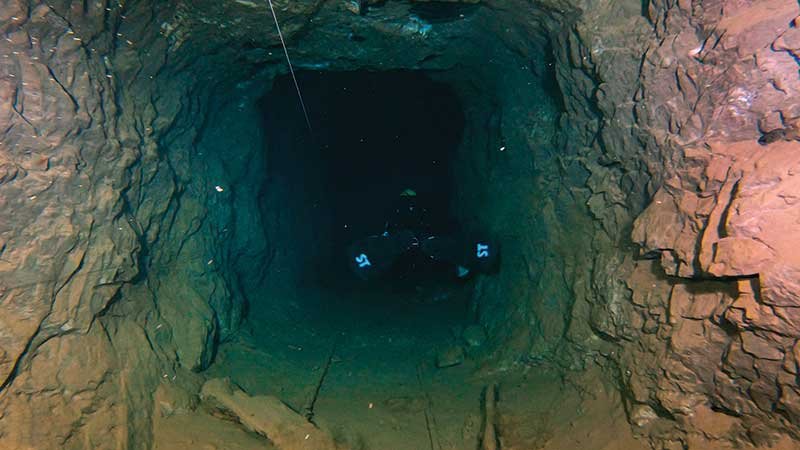
But contaminated soil, unstable structures, environmental restrictions, and abandoned underground workings can create significant obstacles.
A feasibility study would need to assess these conditions individually.
Hydrogen and Renewable Energy
One potential pathway is using surplus renewable electricity to produce hydrogen through electrolysis.
Electrolyzers use electricity to split water into hydrogen and oxygen.
This process creates a way to convert electrical energy into a chemical fuel.
Hydrogen can then potentially be stored or transported.
This could help integrate renewable electricity into industrial sectors that cannot easily use electricity directly.
Safety
Hydrogen is highly flammable.
Safe storage and transportation therefore require strict engineering standards.
Leak detection, ventilation, pressure control, fire protection, and emergency-response procedures are essential.
Any large hydrogen project would therefore require substantial regulatory oversight.
Why “Secret” Is Difficult
Large hydrogen pipelines are physical infrastructure.
They require construction, permits, land access, compressor systems, monitoring stations, and connections to production or consumption facilities.
This makes a genuinely large secret pipeline network difficult to maintain.
Smaller pilot projects or confidential industrial planning are more plausible, but these should not be confused with a hidden national network.
Conclusion
The idea of secret hydrogen pipelines from Euboea's mines reflects a broader European effort to connect industrial regions with emerging clean-energy technologies.
There is no reason to treat a clandestine Euboean hydrogen network as established without evidence.
The more important question is whether Greece can successfully integrate hydrogen into its industrial and energy systems while using existing infrastructure responsibly and maintaining high safety and environmental standards.