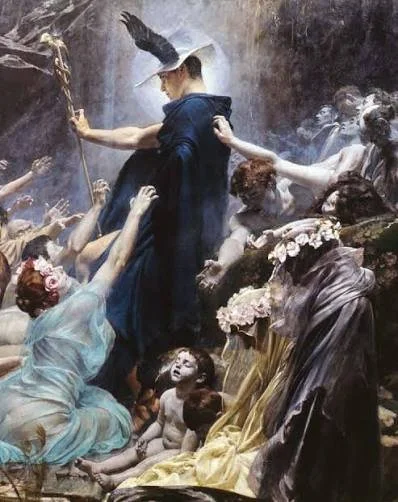
Introduction
The Acheron River is one of the most famous rivers in Greek mythology.
Ancient traditions associated the river with the underworld and the journey of the dead.
Because of this mythological significance, the landscape surrounding the Acheron has accumulated many stories involving spirits, supernatural beings, and mysterious encounters.
The title Secret Shapeshifting Nymphs of the Acheron River Banks belongs primarily to the realm of folklore and imaginative mythology rather than documented ancient history.
Nymphs in Greek Mythology
Nymphs were supernatural female beings associated with natural environments.
Different types were connected with mountains, forests, springs, rivers, and trees.
They were often described as beautiful, powerful, and closely connected with nature.
Nymphs could interact with gods and mortals and appear in numerous myths.
The Acheron
The Acheron appears in ancient literary traditions as a river connected to the underworld.
The river's association with death gave the surrounding landscape a powerful symbolic character.
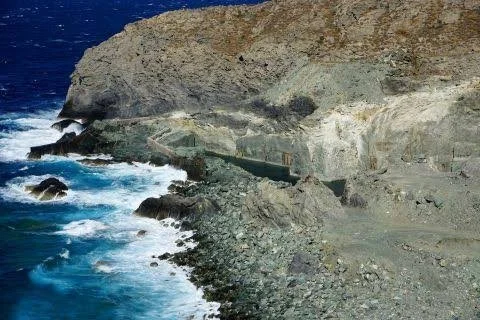
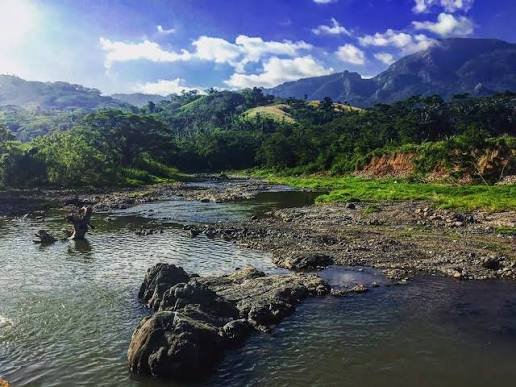
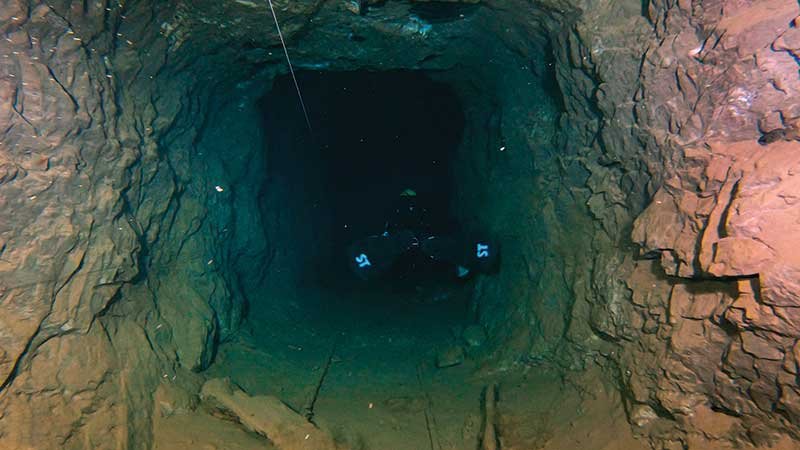
Travelers encountering caves, springs, cliffs, and dark waterways could naturally associate such environments with stories of the supernatural.
Shapeshifting
Transformation is a recurring theme in Greek mythology.
Gods and supernatural beings can change form for disguise, punishment, seduction, escape, or other purposes.
A shapeshifting nymph therefore fits the broader logic of Greek mythology, even though specific claims about secret nymphs at the Acheron are not established archaeological facts.
Folklore and Landscape
Local folklore often develops around unusual natural features.
A cave may become associated with a spirit.
A spring may become sacred.
A dangerous riverbank may acquire stories warning people not to approach it at night.
Such stories can serve social and cultural functions beyond literal belief.
They explain landscapes and preserve local identity.
Conclusion
There is no archaeological evidence demonstrating that shapeshifting nymphs lived along the Acheron.
The story is best understood as a mythological and folkloric interpretation of a landscape already strongly connected with the ancient Greek underworld.
The enduring power of the Acheron comes from precisely this interaction between geography and storytelling.