Introduction and Historical Background
Military organization played a central role in the expansion and administration of the Roman Empire. Roman armies required carefully planned camps, roads, supply systems, and administrative facilities to maintain control over territories and protect strategic routes.
The Servia area, located in the region of Kozani in western Macedonia, occupies a landscape connected to river valleys and routes through the surrounding mountains. Such geographical features made the area relevant to movement, settlement, and communication in antiquity.
The proposed study of Roman legion camps in the Servia Valley raises important questions about military movement and the organization of Roman authority in Macedonia. However, the existence of permanent legionary camps at a particular location must be established through archaeological evidence. Roman military presence in a region should not automatically be interpreted as proof of a permanent legionary installation.
Roman Expansion into Macedonia
Roman involvement in Macedonia increased during the second century BCE. Following the Macedonian Wars and the defeat of the Antigonid kingdom, Rome reorganized the region and gradually incorporated it into its provincial system.
The establishment of Roman authority required military, administrative, and infrastructural measures. Roads connected settlements and military centers, while administrative structures supported taxation, communication, and political control.
Macedonia remained strategically important because of its position between the eastern Mediterranean, the Balkans, and routes leading toward the Danube frontier. Military movement through the region therefore continued to be significant during different phases of Roman rule.
Roman Military Camps and Their Organization
Roman military camps were designed to provide protection, order, and efficient organization. Temporary marching camps were generally constructed for short-term military operations, while permanent bases could include more substantial buildings and infrastructure.
A Roman military camp commonly followed an organized layout. Defensive structures could include ditches, ramparts, palisades, and gates. Internal spaces were arranged according to military needs, with designated areas for command, accommodation, storage, and administrative activities.
Permanent installations could contain barracks, workshops, granaries, hospitals, and other facilities. Their organization depended on the size of the unit, the duration of occupation, and the strategic importance of the location.
Strategic Importance of the Servia Valley
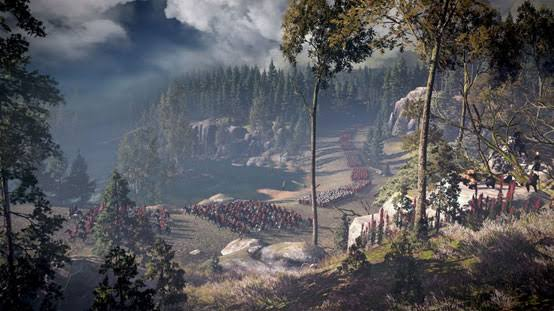
Valleys and mountain passes were important elements of Roman military geography. They offered routes through difficult terrain and could connect settlements, agricultural regions, and larger road systems.
The Servia Valley's landscape may be examined in relation to movement through western Macedonia. Researchers can investigate whether Roman military remains, roads, or supply-related structures were located in positions that controlled access to important routes.
However, strategic suitability alone cannot confirm the presence of a legionary camp. Archaeological evidence such as defensive earthworks, military buildings, inscriptions, equipment, and securely dated deposits would be necessary to support such an identification.
Military Equipment and Archaeological Evidence
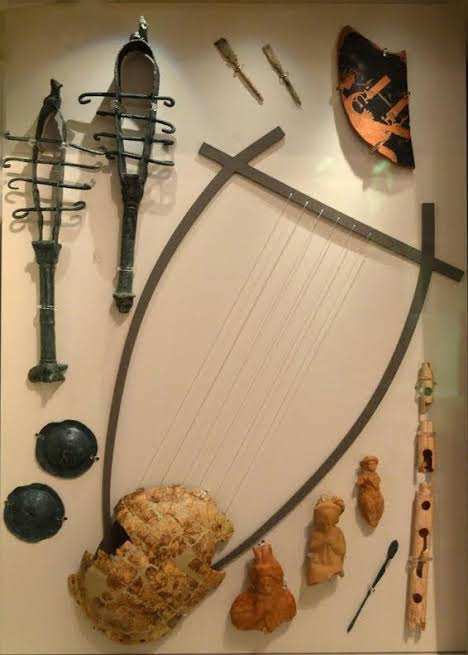
Roman military archaeology examines a wide range of materials. These may include weapons, armor components, belt fittings, military equipment, coins, inscriptions, and construction remains.
The discovery of military equipment does not automatically identify a site as a camp. Objects may have been lost during travel, deposited in graves, reused in later contexts, or transported through trade.
The interpretation of a military site therefore requires a combination of evidence. Architectural remains and defensive features are particularly important, while inscriptions and stamped building materials may provide information about military units and construction activities.
Roads, Supply Systems, and Logistics
Roman military operations depended on reliable supply networks. Soldiers required food, water, clothing, weapons, and equipment. Animals used for transport also required fodder and access to suitable routes.
Roads helped connect military bases with administrative centers and supply areas. Their construction could involve surveying, drainage, paving, and the development of bridges or other crossings.
The study of possible Roman military activity in the Servia Valley should therefore consider the wider landscape. Even when a permanent camp cannot be identified, roads, transport facilities, and settlement patterns may provide evidence of Roman movement and logistical organization.
Archaeological Methods
The identification of Roman military installations may involve field survey, excavation, aerial photography, satellite imagery, and geophysical techniques.
Magnetometry and ground-penetrating radar can help detect buried walls, ditches, and other structures. Excavation is necessary to establish the date and function of these features.
Ceramic analysis and coin studies may help establish chronological sequences. Inscriptions can provide especially valuable evidence when they identify military units, officers, or construction activities.
Conclusion
The proposed study of Roman legion camps in the Servia Valley offers an opportunity to examine the relationship between Roman military organization and the geography of western Macedonia. The valley's routes and landscape make it relevant to research on military movement and regional administration.
Nevertheless, claims about permanent legionary camps require direct archaeological confirmation. Research should distinguish between temporary military activity, road infrastructure, smaller military installations, and permanent legionary bases. This distinction is essential for reconstructing Roman military history accurately.