A Realm Beyond Death, Not Just Punishment
In Greek mythology, the Underworld is not simply a place of torment—it is a vast and complex realm where all souls journey after death. Ruled by Hades and his queen Persephone, it represents the inevitability of mortality rather than moral judgment alone.
Unlike later religious concepts of heaven and hell, the Greek Underworld is morally neutral in many respects. Most souls exist in a shadowy state, neither rewarded nor punished, reflecting the Greek view that the afterlife was a continuation—not a transformation—of existence.
Structure of the Underworld
The Underworld is divided into distinct regions, each serving a specific purpose:
The River Styx: Souls must cross this boundary, ferried by Charon, often in exchange for a coin placed in the deceased’s mouth
The Asphodel Meadows: A neutral zone where ordinary souls reside
Elysium: A paradise reserved for heroes and the virtuous
Tartarus: A deep abyss where the wicked are punished
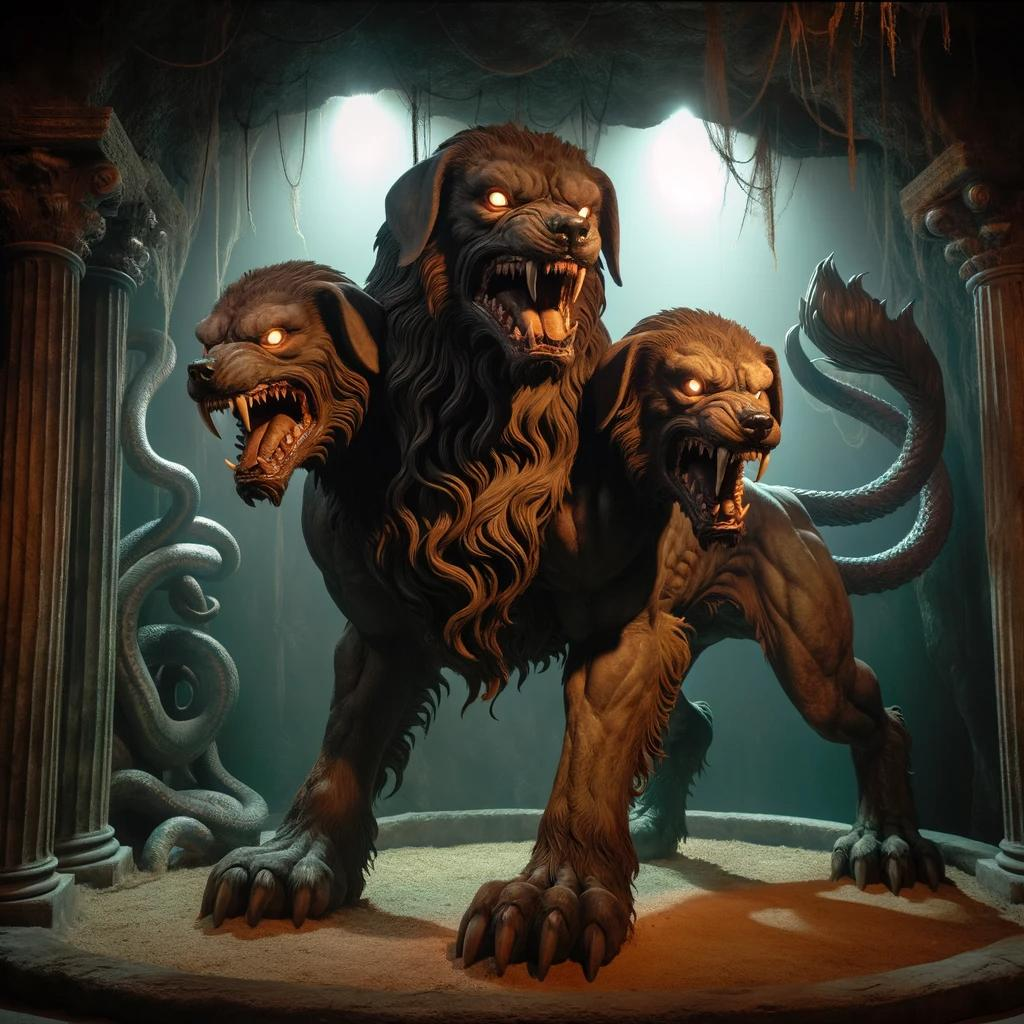
Guarding the gates is Cerberus, ensuring that the dead cannot escape.
Judgment and the Afterlife
Souls are judged by figures such as Minos, Rhadamanthus, and Aeacus. Their decisions determine where each soul resides. However, this system is less rigid than later religious frameworks—many souls simply drift in the Asphodel Meadows.
Symbolism and Meaning
The Underworld reflects key Greek beliefs:
Death is inevitable and universal
The afterlife mirrors earthly existence
Justice exists, but is not always absolute
Rather than a place of fear alone, it represents balance—a necessary counterpart to life.