In Greek mythology, Hippolyta was the legendary queen of the Amazons, a fierce tribe of warrior women who lived on the fringes of the known world, often identified as the city of Themiscyra near the Black Sea. As a daughter of the war god Ares, she was a symbol of strength, autonomy, and martial prowess.
The stories surrounding Hippolyta are varied and often contradictory, as they were frequently interwoven with the legends of other major Greek heroes.
The Ninth Labor of Heracles
The most famous account involving Hippolyta centers on the ninth labor of Heracles. King Eurystheus ordered the hero to retrieve the queen's magical girdle (or war-belt), a gift from her father, Ares, which symbolized her authority and supremacy among the Amazons.
The Diplomacy: In some versions, Heracles arrived and, finding himself impressed by the queen, was willingly given the belt.
The Deception: The goddess Hera, who bore a lifelong grudge against Heracles, often appears in these myths disguised as an Amazon. She would spread rumors that Heracles was actually there to abduct their queen.
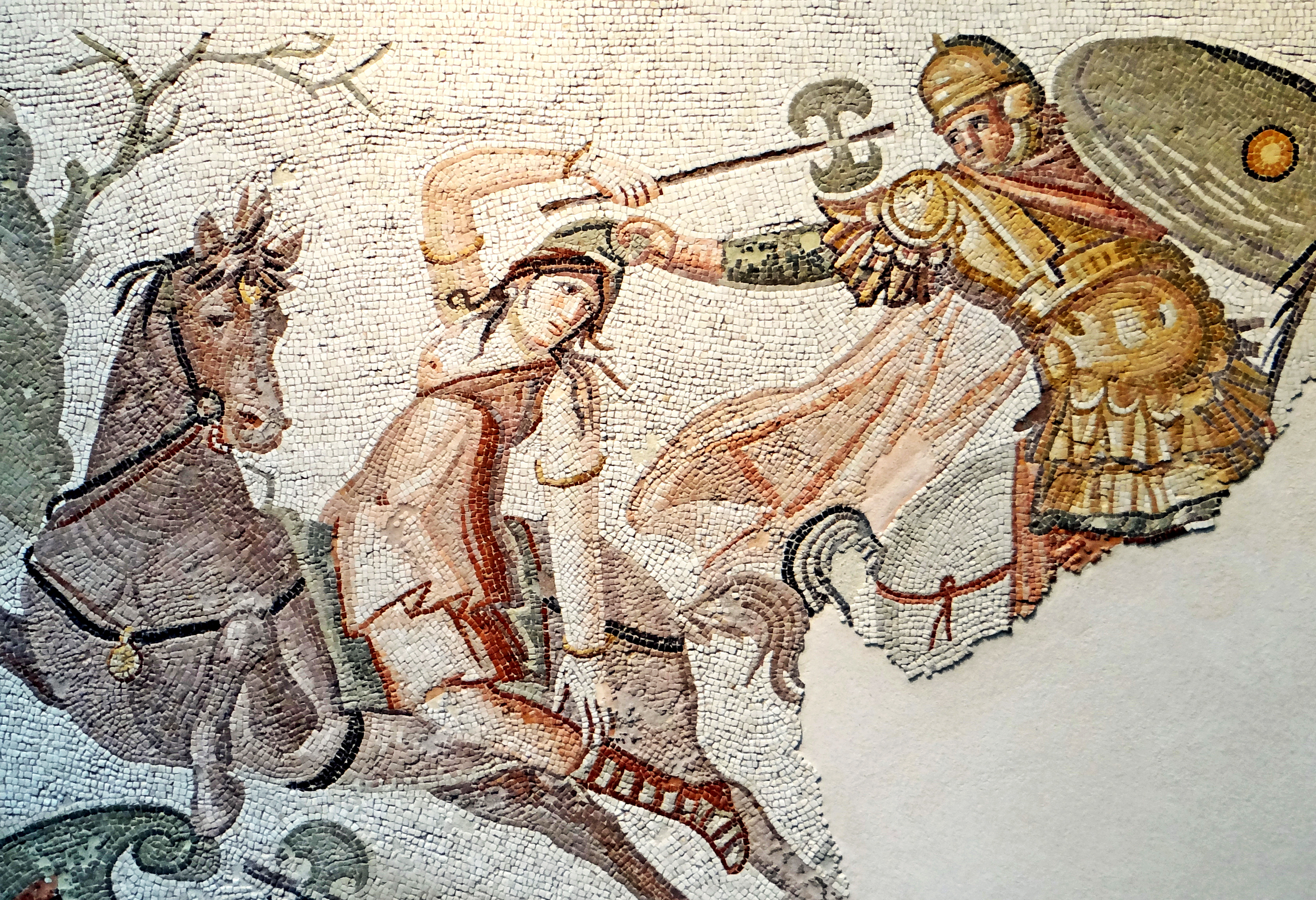
The Conflict: This deception frequently led to a battle between the Greeks and the Amazons. In most of these accounts, Heracles defeated the warrior women and killed Hippolyta in the ensuing chaos before fleeing with the girdle.
The Legend of Theseus
Another significant narrative arc connects Hippolyta to Theseus, the hero-king of Athens.
Abduction vs. Marriage: Traditions differ wildly regarding their relationship. Some sources claim Theseus abducted her (or received her as a spoil of war after Heracles' visit), while others suggest a romantic union where Hippolyta fell in love with him and left her tribe willingly.
The Attic War: Following her arrival in Athens, the Amazons—enraged by the loss of their queen—launched an invasion of Athens to retrieve her. This conflict, known as the Attic War, usually resulted in the death of the Amazon queen, though accounts disagree on whether she was killed by Theseus, another Amazon, or in a separate skirmish.
Legacy: Regardless of the specific version, many myths credit her with bearing Theseus a son, Hippolytus, whose tragic story became a staple of Greek dramatic literature.
Cultural Significance
"Anti-Women": Historically, scholars have viewed the Amazons as "anti-women" in the context of Greek society—an inversion of the patriarchal norms where women held the power, rode horses, hunted, and waged war.
Historical Roots: Archaeological discoveries of burial sites featuring female warriors in the Eurasian Steppes suggest that the legends of the Amazons may have been inspired by real nomadic horse cultures, such as the Scythians and Sarmatians.
Enduring Symbol: Beyond antiquity, Hippolyta has remained a potent symbol of female leadership and strength. She famously appears in Shakespeare’s A Midsummer Night’s Dream as the Amazon queen betrothed to Theseus, and in modern times, she has been re-imagined in popular culture as a foundational figure in the mythology of Wonder Woman.
The story of Hippolyta as the Amazon queen
This video provides an excellent summary of Hippolyta's role in Greek mythology and how her legend has evolved from an ancient warrior queen into a symbol of female strength in modern pop culture.