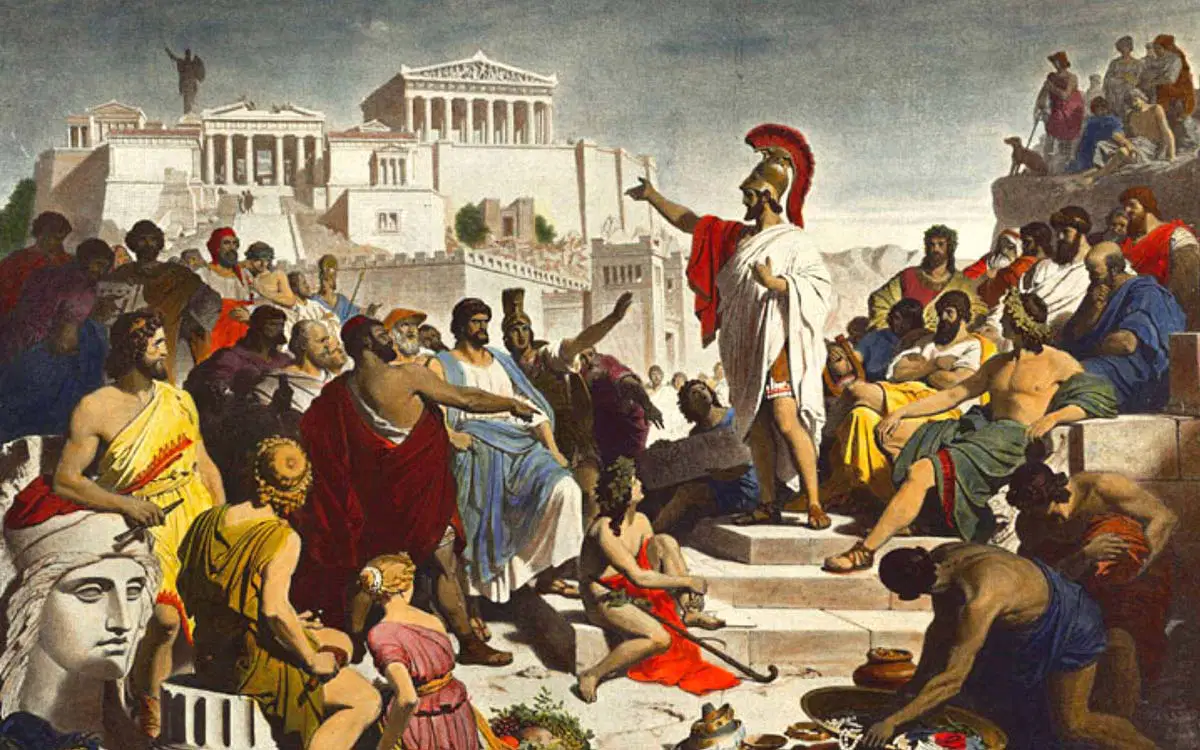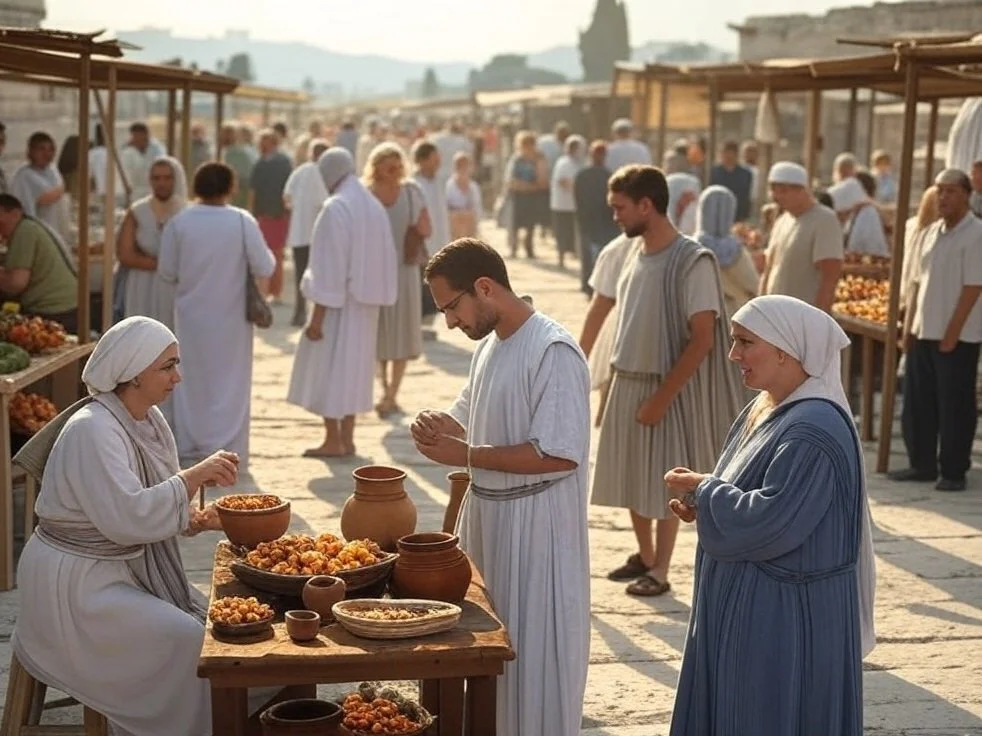
In the "Old Style" of Greek life, the Agora was the literal and figurative heart of the city-state. While we often remember it for political debates and philosophical musing, its primary function was as a centralized economic engine. It was here that the local farmer, the overseas merchant, and the city dweller met to exchange goods, setting the stage for the first sophisticated market economy in history.
1. The Physical Layout of Trade
The Agora was not a chaotic jumble but a highly structured space designed to facilitate commerce.
The Stoas: These long, roofed colonnades provided shade and shelter for permanent shops. The Stoa of Attalos in Athens is the most famous example, acting as an ancient "shopping mall" where high-end goods like jewelry, fine silks, and expensive perfumes were sold.
The Tables (Trapezai): Temporary stalls or tables were set up in the open center for daily goods. These were organized by "circles" (kykloi)—specific zones dedicated to one type of product. If you wanted fish, you went to the fish circle; if you wanted slaves, you went to the area designated for the "human market."
The Horos: These were boundary stones that marked the sacred and legal limits of the market. To enter the Agora, one had to be a citizen in good standing, as the market was seen as a space of civic trust.
2. The Introduction of Coinage
The Agora was the laboratory for the transition from barter to a money economy.
The Money Changers: Since each city-state (and many foreign kingdoms) minted their own coins, "bankers" sat at tables in the Agora to exchange foreign currency for local drachmas.
Standardization: The presence of a central market allowed the state to enforce the use of specific weights and silver content. The Athenian "Owls" became the reserve currency of the Mediterranean because the Agora provided a reliable place to spend them.
3. Market Regulation: The Agoranomoi
To prevent fraud and ensure "Old Style" fairness, the state appointed officials known as Agoranomoi.
Weights and Measures: They maintained a set of official "standard" weights. If a merchant was caught using a light weight to cheat a customer, the Agoranomoi had the power to fine them or seize their goods.
Price Transparency: While the Greeks generally allowed supply and demand to set prices, the Agoranomoi could intervene during grain shortages to prevent price gouging and hoarding, ensuring the city didn't face a famine due to greed.
4. Labor and the Service Economy
The Agora was the primary "job center" of the ancient world.
The Misthotos: Laborers looking for work would gather at specific spots in the Agora at dawn, waiting for farmers or builders to hire them for a day's wage.
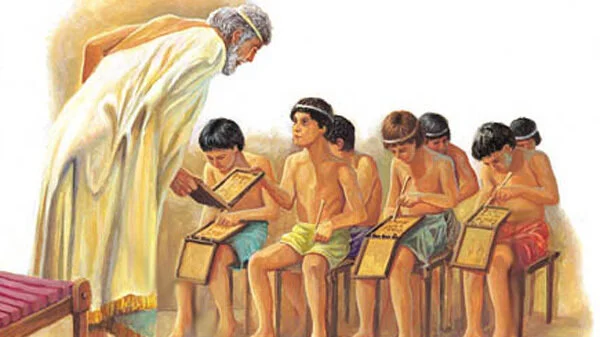
Professional Services: It wasn't just physical goods for sale. Scribes, lawyers, and even teachers of rhetoric set up shop in the Stoas, selling their intellectual labor to those who could afford to enhance their social or legal standing.
5. Information as a Commodity
In an era before newspapers or the internet, the Agora was the "clearinghouse" for economic intelligence.
Port News: Merchants arriving from the Piraeus would bring news of crop failures in Egypt, wars in Thrace, or the arrival of a grain fleet. This information allowed traders to speculate on prices.
Social Capital: Economic life was deeply tied to reputation. A merchant’s "credit" was based on their visibility and behavior in the Agora. A man who "frequented the tables" and paid his debts promptly gained the trust needed for large-scale maritime ventures.
6. The Agora vs. The Emporion
It is important to distinguish between the Agora (the civic/retail market) and the Emporion (the wholesale/maritime port).
Internal vs. External: The Agora was for the internal distribution of goods within the city. The Emporion (like that at Piraeus) was for the bulk import and export of commodities like grain, timber, and iron.
The Link: Middlemen would buy bulk goods at the port and transport them to the Agora to be sold in smaller quantities to the citizens, marking the birth of the retail "Old Style" supply chain.
The Agora proved that a city's strength was not just in its walls or its army, but in the efficiency of its exchange. By centralizing trade, the Greeks created a space where wealth could be generated through ingenuity and movement rather than just land ownership.