The story of Hyacinthus is a poignant tale of love, jealousy, and the fragile line between the divine and the mortal. It is one of the most famous examples of a "metamorphosis" myth, where the death of a beloved figure is transformed into a lasting symbol in the natural world.
The Beloved of Apollo
Hyacinthus was a Spartan prince of extraordinary beauty, famed for his grace and athletic skill. He caught the attention of Apollo, the god of music, prophecy, and the sun. Their bond was deep; Apollo became so infatuated that he abandoned his traditional haunts—such as Delphi and Delos—to spend his days in Sparta teaching the young prince the arts of hunting, music, and athletics.
The Fatal Accident
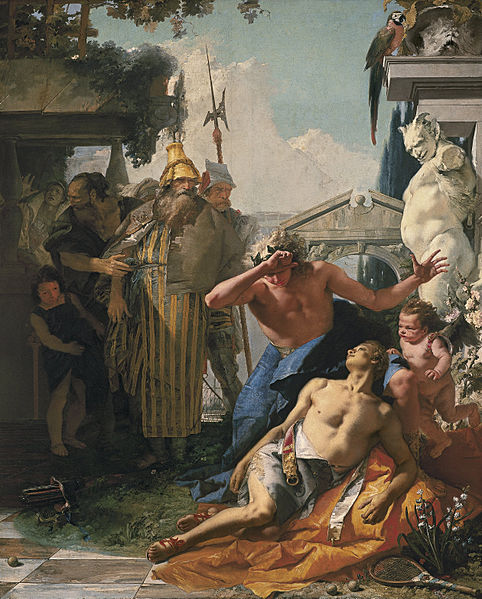
The tragedy unfolded during a friendly discus-throwing competition. Apollo, eager to show off his skill, threw a heavy discus high into the clouds. Hyacinthus, filled with competitive spirit, ran to catch it, hoping to impress the god.
However, the discus hit the ground with immense force, ricocheted, and struck Hyacinthus squarely in the face. Despite Apollo’s mastery of medicine and his attempts to staunch the wound with herbs and nectar, the blow was fatal.
The Jealousy of Zephyrus
While some versions treat the event as a tragic accident, others introduce the figure of Zephyrus, the god of the West Wind. Zephyrus was also in love with Hyacinthus, but he had been spurned in favor of Apollo. Consumed by bitter jealousy, Zephyrus watched from the mountains as the two practiced. Just as Apollo launched the discus, Zephyrus blew a powerful gust of wind, causing the trajectory of the disk to shift and strike Hyacinthus.
The Metamorphosis
As Hyacinthus died, Apollo was overcome with grief. Refusing to allow the boy to be taken by Hades, he vowed to immortalize him. Apollo declared that he would forever remember Hyacinthus in his songs and on his lyre.
From the pool of blood that flowed from Hyacinthus's wound, Apollo caused a flower to spring up. The petals were said to be marked with the letters "AI"—a Greek exclamation of lamentation—or in some traditions, the initial of Hyacinthus’s name. This flower, the hyacinth, became a symbol of sorrow, beauty, and the ephemeral nature of life.
Cultural Significance
The Hyacinthia Festival: In ancient Sparta, the death and "rebirth" of Hyacinthus were commemorated annually during the festival of the Hyacinthia. It was a three-day event that blended mourning for the youth's death with celebration of his seasonal resurrection, reflecting the cycle of agricultural growth and decay.
Themes of Divine Love: The myth explores the imbalance of power between gods and mortals. Even for a god as powerful as Apollo, he could not protect his mortal love from the cruelty of fate or the jealousy of his peers. The myth highlights the vulnerability of mortals who become entangled in the affairs of the divine.
The Flower: It is worth noting that the "hyacinth" described in ancient texts may not be the same bulb-based flower we call by that name today; some scholars suggest it may have been a larkspur or an iris, which better match the descriptions of the markings on the petals.
The story of Hyacinthus remains a melancholy reminder of the ancient Greek view that beauty and youth are precious because they are fleeting—and that even the gods are subject to the pain of loss.