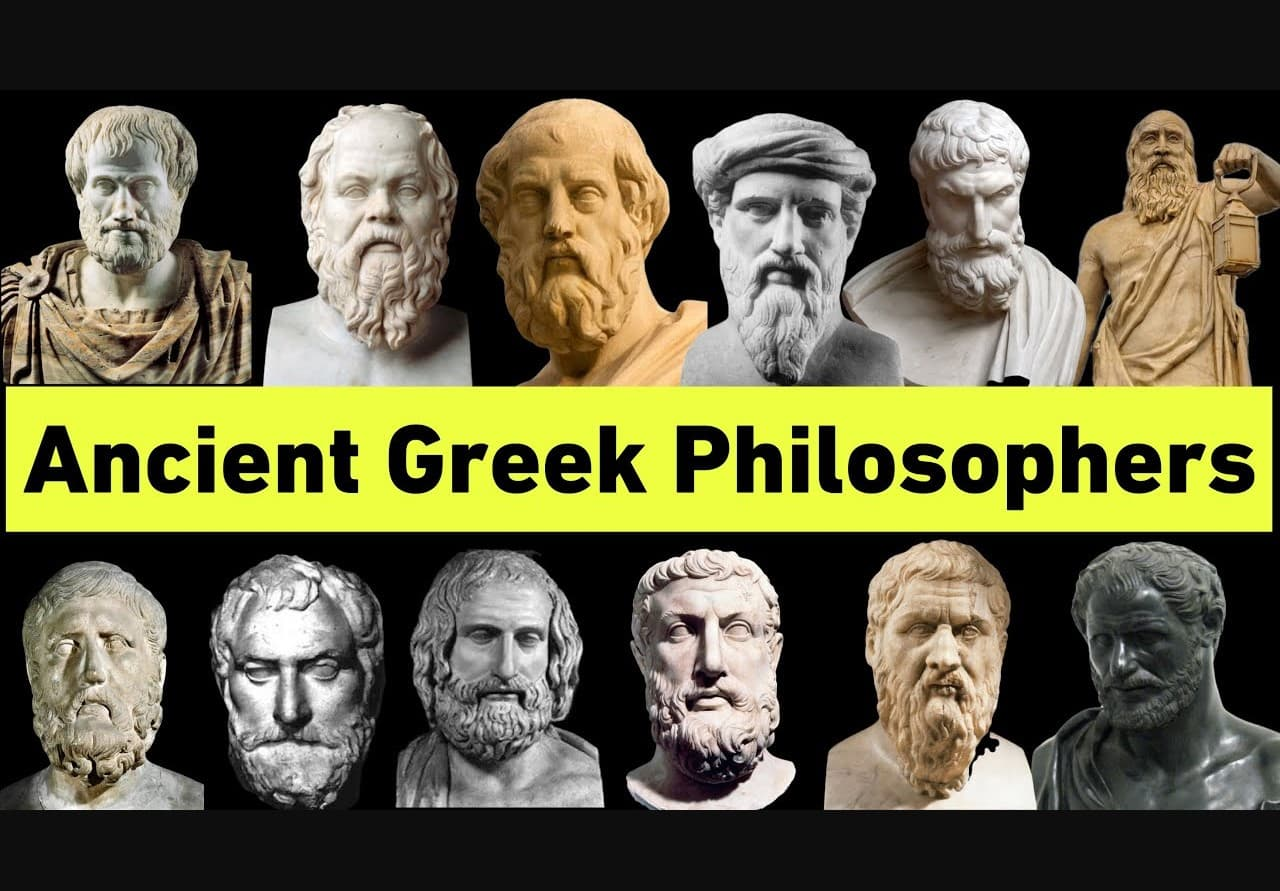
The Influence of Greek Ethics on Modern Philosophy
The ethical frameworks developed in ancient Greece—particularly by Aristotle, the Stoics, and Epicurus—have left an indelible mark on modern philosophy. While the Enlightenment and the modern era shifted the focus toward duty-based rules and large-scale social utility, contemporary philosophy has experienced a major resurgence of Greek ethical concepts.
Ancient Greek ethics primarily asked: "How should one live a good life?" This focus contrasts with the modern question: "What are my duties and obligations?"
1. The Revival of Virtue Ethics
For centuries, modern ethics was dominated by Kantian deontology (duty-based ethics) and utilitarianism (consequence-based ethics). In the mid-to-late 20th century, philosophers such as Alasdair MacIntyre, Philippa Foot, and Martha Nussbaum led a neo-Aristotelian revival known as Virtue Ethics.
Human Flourishing (Eudaimonia): Rather than focusing on universal rules, modern virtue ethics emphasizes character development and the ultimate goal of living a flourishing, meaningful life.
Practical Wisdom (Phronesis): Modern ethical frameworks increasingly value the role of emotional intelligence, experience, and practical judgment in moral decision-making, moving away from rigid, algorithmic rules.
2. Epicureanism and Utilitarianism
The ancient hedonistic tradition, especially as articulated by Epicurus, posited that the highest good is pleasure and the avoidance of pain. This ancient framework directly influenced the founders of modern utilitarianism.
Calculus of Pleasure: Philosophers like Jeremy Bentham and John Stuart Mill adapted the Greek focus on pleasure and pain to form the basis of Utilitarianism.
Utility as the Greatest Good: The modern concept of maximizing overall well-being or happiness for the greatest number of people mirrors the ancient hedonistic view that the basic human drive is the avoidance of suffering.
3. Stoicism, Rationalism, and Duty
The Stoic concept of living in accordance with nature and reason heavily influenced Enlightenment and post-Enlightenment thinkers.
Baruch Spinoza: Spinoza's Ethics mirrors the ancient Stoic view of human emotions. He argued that freedom comes from using reason to understand and master our passions.
Immanuel Kant: While Kant's ethics is fundamentally duty-based, his emphasis on the intrinsic worth of rational agents and the need for moral autonomy draws heavily from the Socratic and Stoic traditions of reason (logos) governing the self.
4. Political Philosophy and Universal Human Rights
The Stoic concept of cosmopolitanism—the idea that all human beings belong to a single global community—helped shape modern international law and human rights theory.
Universal Reason: The belief that every individual possesses a fragment of divine reason inspired the Enlightenment concepts of natural law and natural rights.
Expanding Circles of Concern: Hierocles’ model of concentric circles of empathy (from the self to the family, city, and ultimately all of humanity) laid the groundwork for modern concepts of global justice and philanthropy.