The Role of Astrology in Ancient Greek Science
In the ancient Greek and Roman world, the study of the heavens was not split into two distinct fields as it is today. Instead, the terms astronomia (the study of the arrangement of the stars) and astrologia (the study of the stars' effects) were used interchangeably. To the ancient mind, astrology was not a pseudoscience, but rather a natural science built on mathematics, philosophy, and empirical observation.
Ancient scientists sought to understand how the movements of celestial bodies correlated with earthly events, such as seasonal weather shifts, the growth of crops, and even human personality and health.
1. The Two Branches of Celestial Study: Ptolemy’s Synthesis
The most comprehensive Greek framework linking the cosmos to earthly events was written by the Alexandrian scholar Claudius Ptolemy in the 2nd century CE.
Complementary Disciplines: In his foundational works, Ptolemy separated the study of the heavens into two distinct, complementary parts:
Astronomy (The Almagest): Mapped the physical paths, sizes, and mathematical cycles of the planets and stars.
Astrology (The Tetrabiblos): Investigated the physical and psychological changes that these astronomical cycles bring about on Earth.
A Natural Science: Ptolemy argued that astrology was a natural science. He explained the influence of celestial bodies through the Aristotelian qualities (hot, cold, wet, and dry) operating on the Earth's atmosphere and the human body's humors.
2. The Philosophical Foundations: Cosmic Sympathy
To understand why the Greeks considered astrology a science, it helps to look at the philosophical framework of the period, particularly the influence of Stoic philosophy.
Universal Interconnectedness (Sympatheia): The Stoics believed that the universe was a single, rational, interconnected organism. The movements of the celestial bodies were seen as the manifestations of the logos (divine reason) in action.
The Microcosm and Macrocosm: The idea that the heavens (the macrocosm) exerted direct physical influences on Earth (the microcosm) through rays or emanations justified the practice of casting horoscopes.
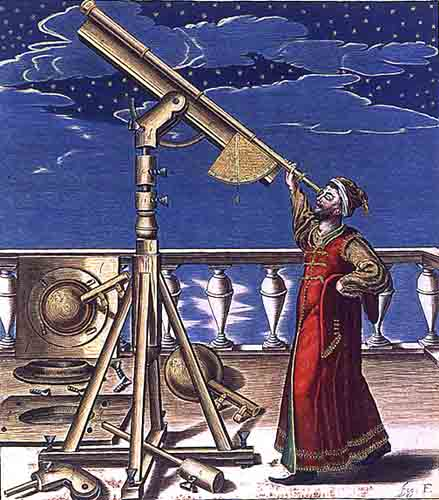
Mathematical Precision: The Greeks applied advanced geometry to these theories, enabling precise epicycles and calculations to predict planetary positions.
3. Practical Applications: Medicine and Meteorology
Because the Greeks sought to find the physical laws governing the body and the earth, astrology bled directly into the empirical sciences of the time.
Astrometeorology: Ancient scientists tracked the heliacal rising and setting of specific stars and constellations (such as Sirius) to predict seasonal weather patterns, monsoons, and the flooding of rivers.
Astrological Medicine: Physicians like Galen and later Hellenistic doctors used astrological charts to time treatments, such as bloodletting, believing that the Moon and planets directly affected the balance of bodily humors.
4. The Intersection of Mythology and Psychology
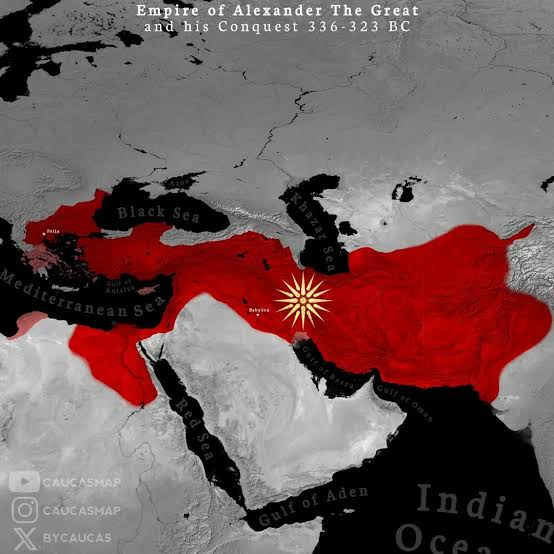
Greek scientists combined Babylonian arithmetic records, Egyptian star lore, and their own advanced mythology to construct a highly sophisticated system of personal destiny.
Birth Charts: The Greeks popularized the creation of personal birth charts (horoscopes), utilizing precise geometric angles between planets (known as aspects) to determine individual temperaments.
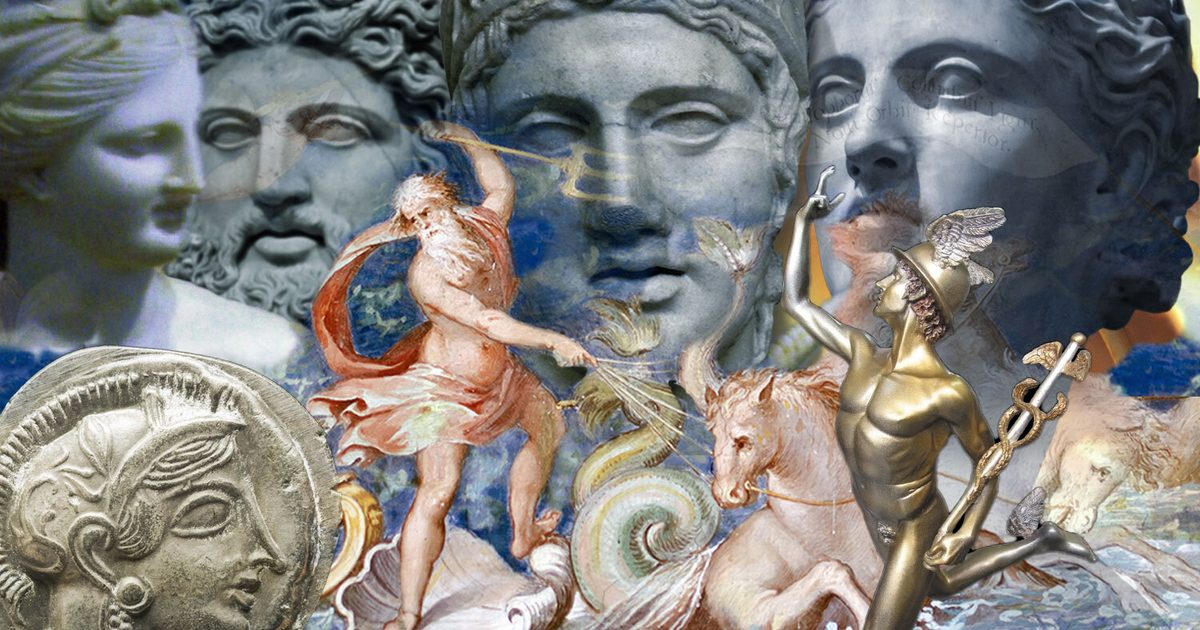
Mythological Imprinting: Unlike the earlier Mesopotamian systems, the Greeks assigned the traits of their own deities to the planets (for example, the red planet Mars became associated with Ares, representing aggression and drive), giving the system a psychological depth.