The Greek Understanding of Disease and Healing
In ancient Greece, the approach to medicine underwent one of the most significant shifts in intellectual history: the transition from explaining illness through divine intervention or curses to understanding it through natural causes and physiological imbalances. This transition laid the foundations for evidence-based medicine and clinical observation in the Western world.
1. The Pre-Rational Era: Divine Retribution and Healing Cults
Before the 5th century BCE, health and disease were largely believed to be under the direct control of the gods.
The Wrath of the Gods: Epidemics or sudden illnesses were often viewed as punishment from deities like Apollo (who shot arrows of plague) or as a result of a curse (miasma, or ritual pollution).
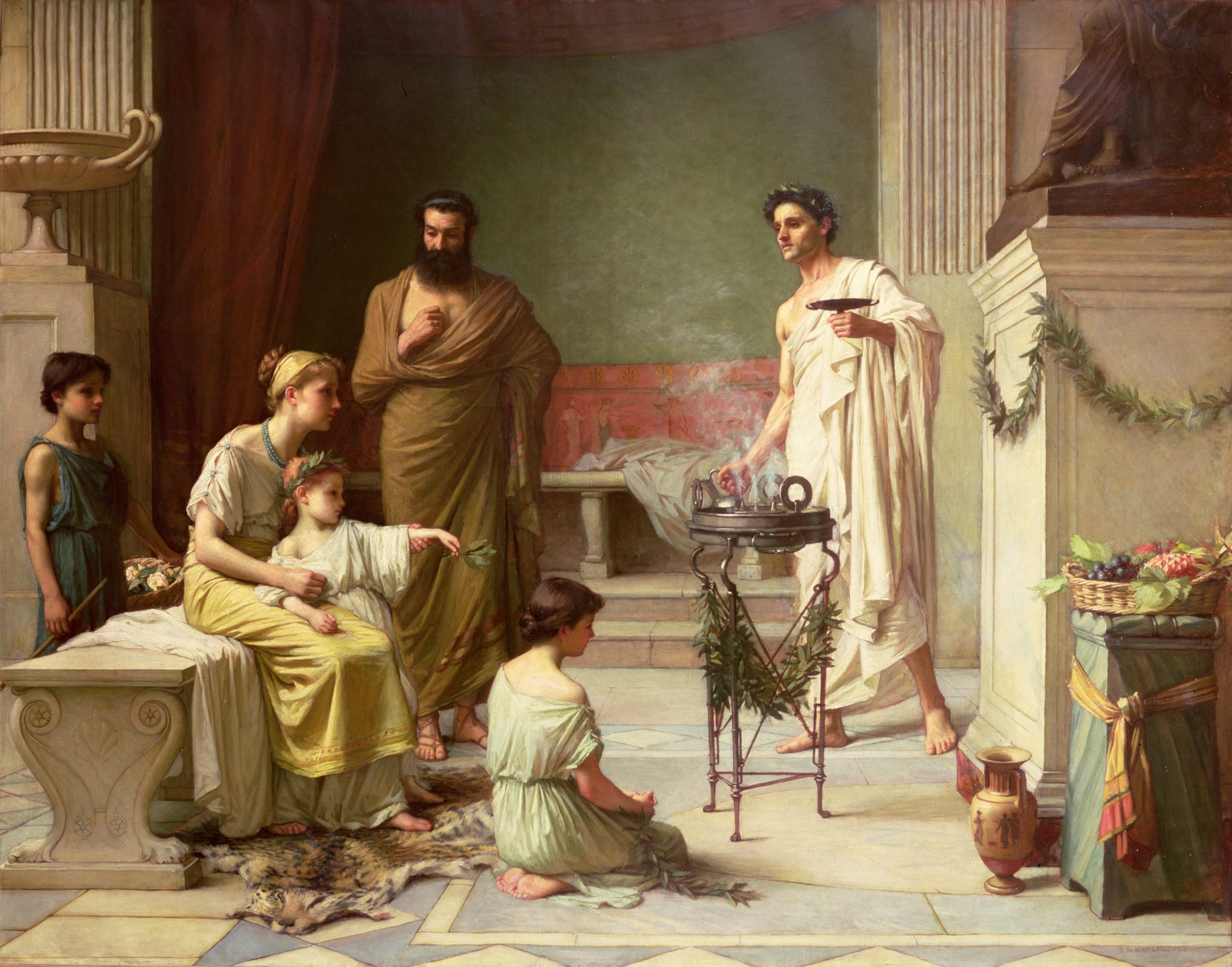
Asclepius and the Asclepieia: The cult of Asclepius, the god of medicine, grew rapidly. Sick people would visit healing sanctuaries called Asclepieia (most famously at Epidaurus). The healing process involved ritual purification, fasting, and enkoimesis (sacred sleep), where patients awaited a visit from the god or a sacred snake in their dreams to provide a cure.
2. The Hippocratic Revolution: Medicine as a Science
The emergence of rational medicine is attributed to Hippocrates of Kos (c. 460–c. 370 BCE) and the texts of the Hippocratic Corpus.
Rejection of the Supernatural: The author of the Hippocratic text On the Sacred Disease famously argued that epilepsy (then called the "sacred disease") was no more divine than any other illness, but had a natural cause originating in the brain.
Physis (Nature): The Greeks began to look for the physical laws governing the body, treating illness as a disturbance of the body's natural state.
Clinical Observation: The Hippocratic approach focused on detailed record-keeping—taking note of a patient's symptoms, diet, sleep, and bowel movements, and using this data to form a prognosis (an educated prediction of the disease's course).
3. The Humoral Theory of Health and Illness
The central tenet of classical Greek medicine was the humoral theory, which posited that the body contained four primary fluids or humors that had to remain in dynamic balance.
The Four Humors: The fluids—blood, yellow bile, black bile, and phlegm—were tied to the four elements of the cosmos. Health was defined as eucrasia (a good mixture).
The Cause of Disease: Illness (dyscrasia, or bad mixture) occurred when one of the humors became dominant, deficient, or stagnant due to external factors like diet, climate, or injury.
The Role of the Physician: The primary job of the physician was to assist the body's natural healing power (vis medicatrix naturae), restoring balance through diet, lifestyle changes, or gentle remedies.
4. Therapeutics and Healing Practices
Greek therapeutics were deeply tied to the belief that the body had a natural capacity to heal itself, focusing on gentle, non-invasive procedures.
Dietetics: Proper nutrition was the first line of defense. Hippocratic physicians prescribed specific diets depending on the season and the patient's constitution.
Gymnastics and Environment: Fresh air, mineral baths, and regulated physical exercise were regularly prescribed to rebalance the humors.
Surgical and Medical Interventions: While complex internal surgery was rare, Greek physicians were skilled in setting fractures, treating wounds, and performing minor procedures (such as draining abscesses or bloodletting to remove excess humors).