Introduction
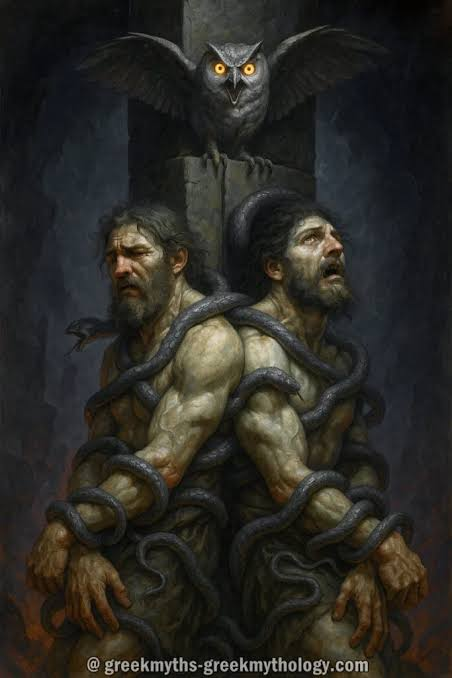
The Aloadae, or Otus and Ephialtes, were two gigantic brothers whose extraordinary strength and overwhelming pride led them to challenge the authority of the Olympian gods. Usually described as the sons of Poseidon and Iphimedeia, the Aloadae grew at an astonishing rate, increasing in both height and power every year. Their story illustrates one of the central lessons of Greek mythology: that excessive arrogance (hubris) inevitably brings destruction when mortals or semi-divine beings attempt to rival the gods.
The Growth of the Giants
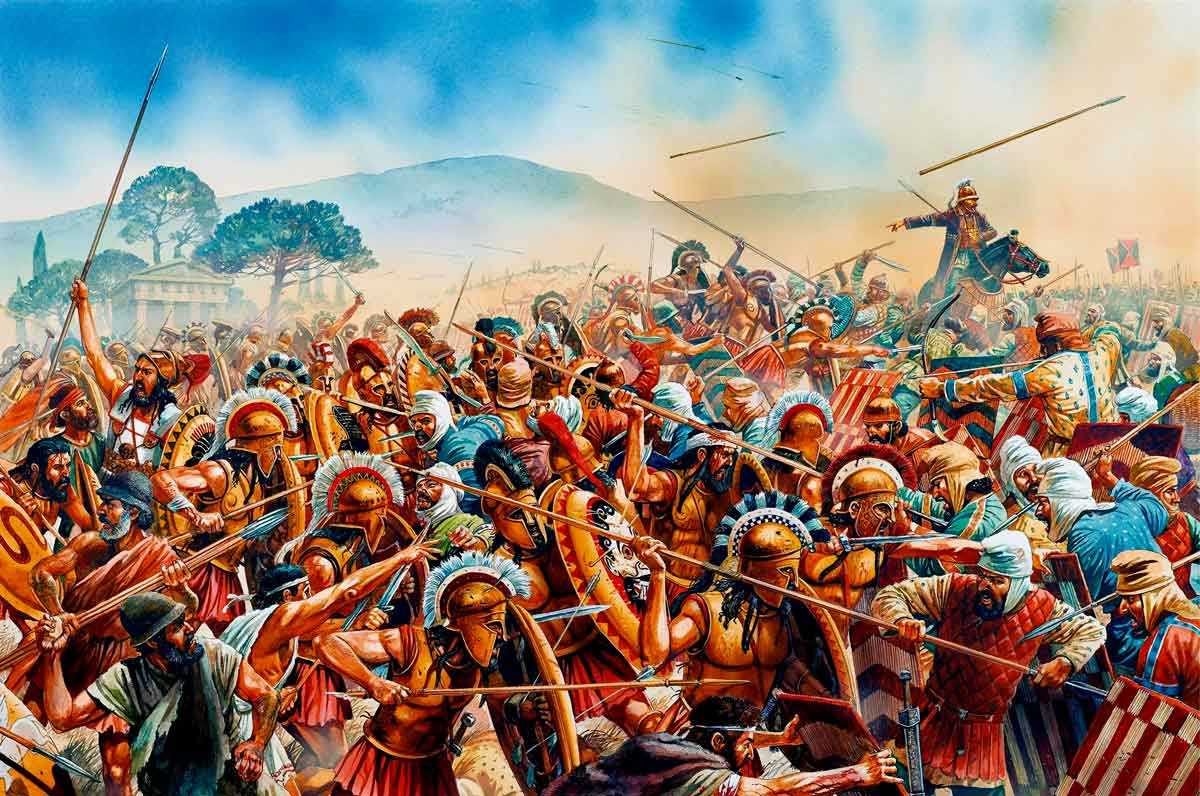
From childhood, Otus and Ephialtes possessed enormous physical strength. Ancient myths describe them growing by several cubits each year until they towered above ordinary men. Confident in their invincibility, the brothers believed they could overthrow the Olympian gods and rule the universe themselves.
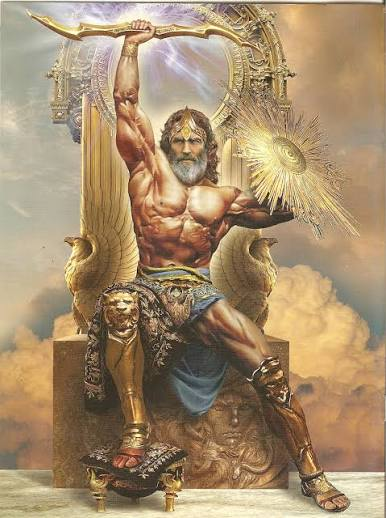
Their ambition exceeded even that of many Titans and Giants who had previously rebelled against Zeus.
Assault on Mount Olympus
Determined to reach the heavens, the Aloadae attempted to construct a gigantic staircase by piling Mount Ossa upon Mount Olympus, then placing Mount Pelion on top of Ossa. They believed this enormous mountain tower would allow them to storm the home of the gods.
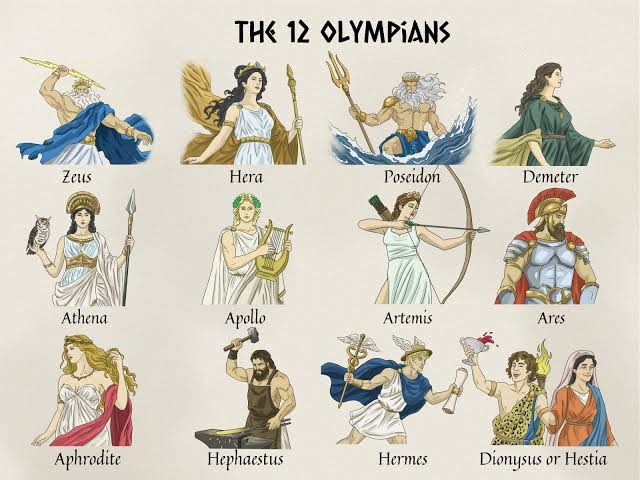
Some traditions also claim they imprisoned Ares, the god of war, inside a massive bronze jar for thirteen months until Hermes secretly rescued him.
Their Desire for the Goddesses
The brothers became even more arrogant by seeking to marry two Olympian goddesses. Otus desired Artemis, while Ephialtes sought Hera. Their attempts to claim divine brides further demonstrated their disrespect for the established order of the gods.
The Downfall of the Aloadae
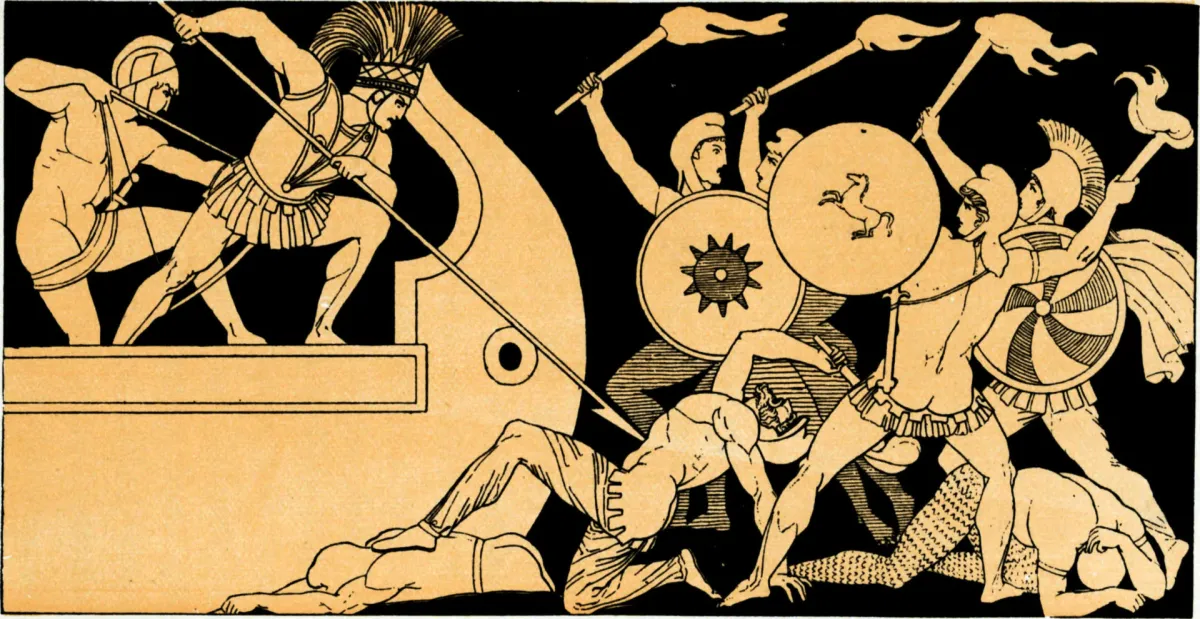
Unable to defeat the giants through brute force alone, Artemis devised a clever strategy. She transformed herself into a swift white deer and ran between the brothers during a hunt. Each giant hurled a spear at the animal, but the deer escaped. Instead, their weapons struck one another, killing both brothers instantly.
Their deaths illustrated that pride and recklessness often become the instruments of one's own destruction.
Legacy
The myth of the Aloadae became a classic example of the dangers of hubris in Greek literature. Their failed assault on Olympus reinforced Zeus' authority while demonstrating that wisdom and divine strategy ultimately prevail over overwhelming physical strength.
Conclusion
The story of the Aloadae serves as a powerful warning against arrogance and unchecked ambition. Despite their immense strength and near-divine heritage, the giant brothers were ultimately destroyed by their own pride, reinforcing one of the most enduring moral lessons in Greek mythology.