Introduction
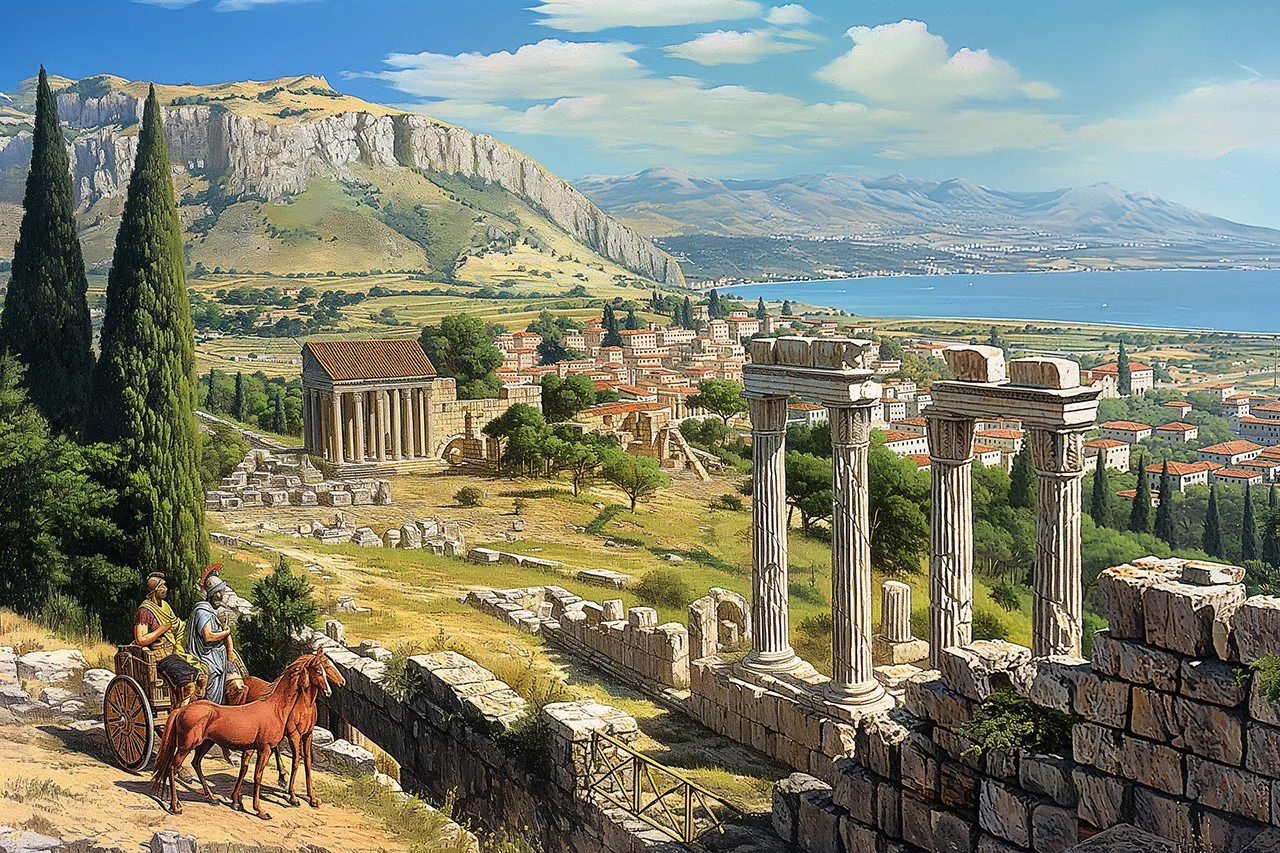
Among all the great cities of Greek mythology, Thebes was perhaps the most tragic. Although renowned for producing legendary heroes, powerful kings, and magnificent monuments, the city was repeatedly afflicted by divine curses, civil wars, family betrayals, and devastating disasters. The myths surrounding Thebes span several generations, beginning with its miraculous founding by Cadmus and continuing through the tragic stories of Oedipus, Antigone, and the Seven Against Thebes. Together, these legends portray Thebes as a city where fate, pride, and divine punishment shaped the destiny of its rulers.
The Founding of Thebes
Thebes was founded by Cadmus, a Phoenician prince searching for his sister Europa after her abduction by Zeus. Following Apollo's instructions, Cadmus followed a sacred cow until it rested in Boeotia, where he established a new city.
Before construction could begin, Cadmus slew a dragon sacred to Ares. At the goddess Athena's command, he planted the dragon's teeth into the earth. Armed warriors known as the Spartoi ("Sown Men") emerged from the ground. After fighting one another until only five remained, these survivors became the noble ancestors of Thebes' leading families.
Although Cadmus founded the city successfully, killing Ares' sacred dragon brought divine consequences that haunted his descendants.
The Curse of Oedipus
Generations later, King Laius received a prophecy that his son would kill him and marry his own mother. Hoping to avoid this fate, Laius abandoned his infant son, Oedipus, on a mountainside.
Despite every attempt to escape destiny, the prophecy came true. Oedipus unknowingly killed Laius during a roadside dispute and later married Queen Jocasta, who was actually his mother. When the horrifying truth emerged, Jocasta took her own life, and Oedipus blinded himself before leaving Thebes in exile.
The city was once again plunged into suffering as plague and political instability spread throughout the kingdom.
The Seven Against Thebes
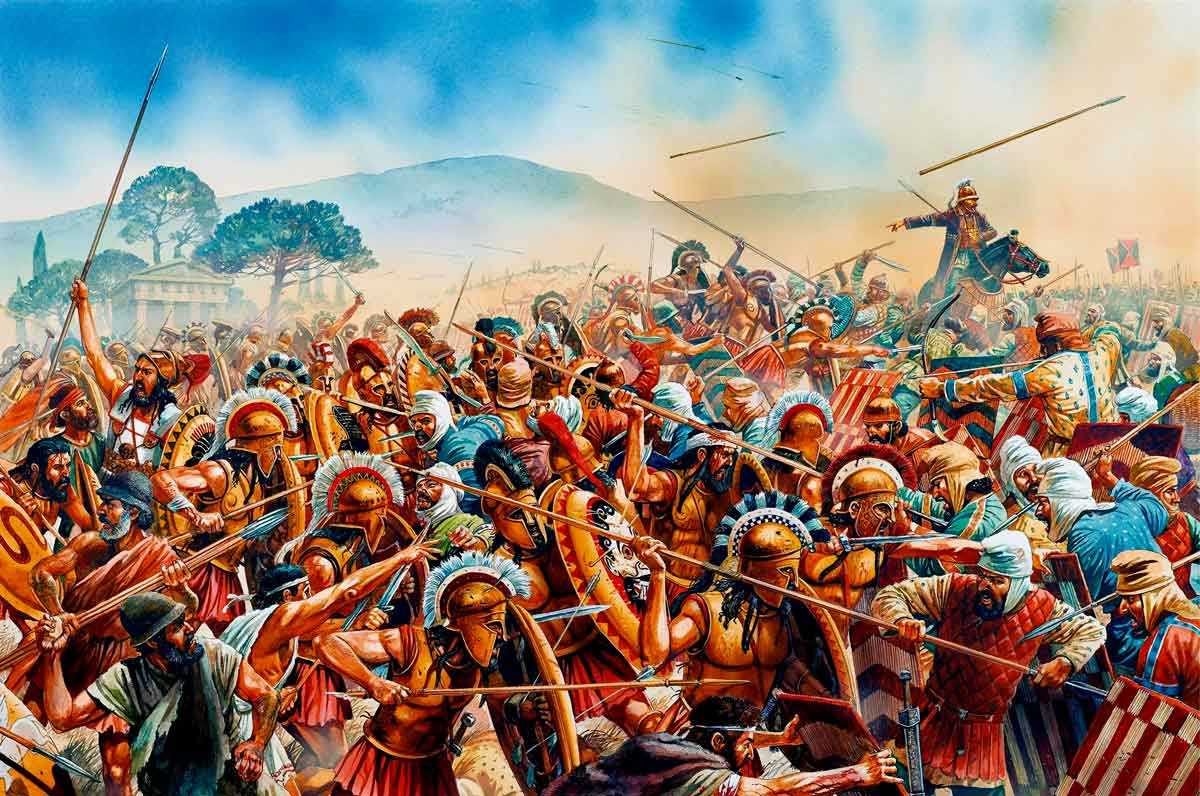
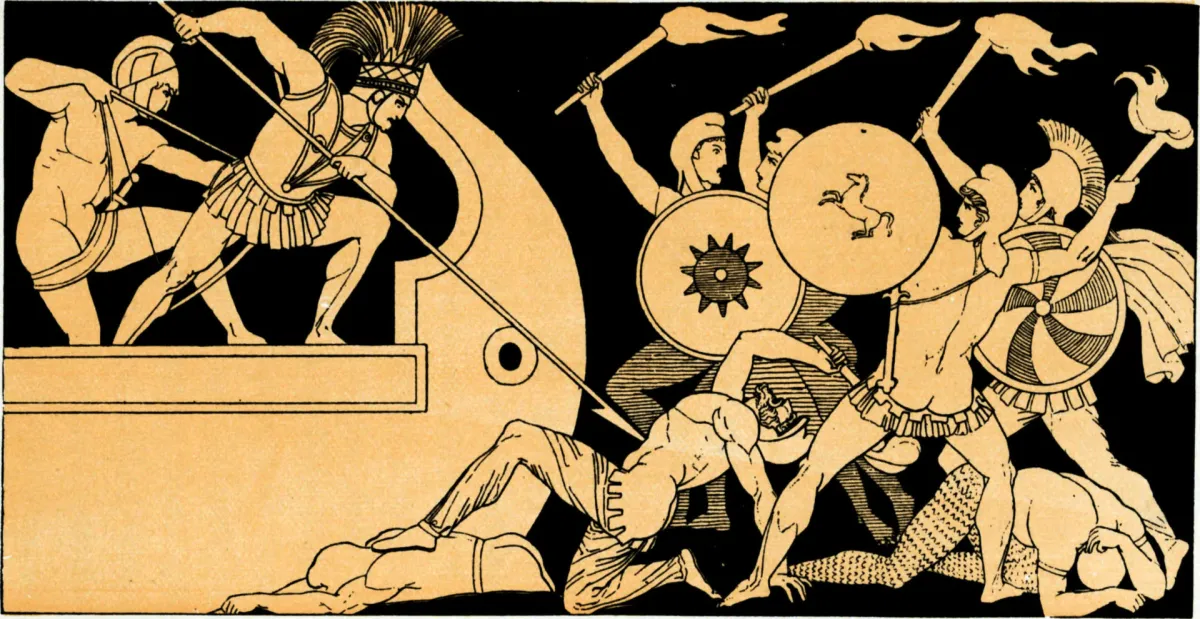
After Oedipus' exile, his sons Eteocles and Polyneices agreed to alternate ruling the city. When Eteocles refused to surrender the throne, Polyneices gathered six powerful champions and attacked Thebes in the famous war known as the Seven Against Thebes.
Although the city survived, both brothers killed each other in single combat before its gates, fulfilling yet another tragic family curse.
Antigone's Defiance
The new ruler, Creon, ordered that Eteocles receive an honorable burial while Polyneices, considered a traitor, remain unburied. Their sister Antigone, believing divine law outweighed human authority, secretly buried her brother despite Creon's command.
For her act of loyalty, Antigone was condemned to death, leading to further tragedy as Creon's own family perished because of his stubbornness.
Legacy
The myths of Thebes became some of the greatest works of Greek tragedy through the plays of Sophocles, Aeschylus, and Euripides, exploring themes of fate, justice, family loyalty, and the limits of human pride.
Conclusion
The story of Thebes illustrates how divine curses, prophetic destiny, and human arrogance repeatedly brought suffering upon one of Greece's greatest mythical cities. Its legends remain timeless reflections on fate, responsibility, and the consequences of defying both gods and moral law.