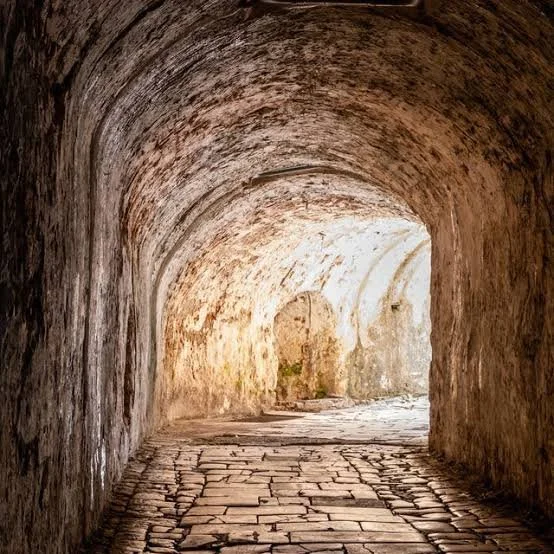
What Archaeologists Actually Find Beneath Ancient Greek Sanctuaries
Stories of secret underground tunnels beneath ancient temples are among the most persistent legends surrounding Greek archaeology.
Some claims describe hidden routes used by priests.
Others imagine secret chambers filled with treasure.
Some stories suggest priests manipulated supernatural effects from underground.
The reality is much more complicated.
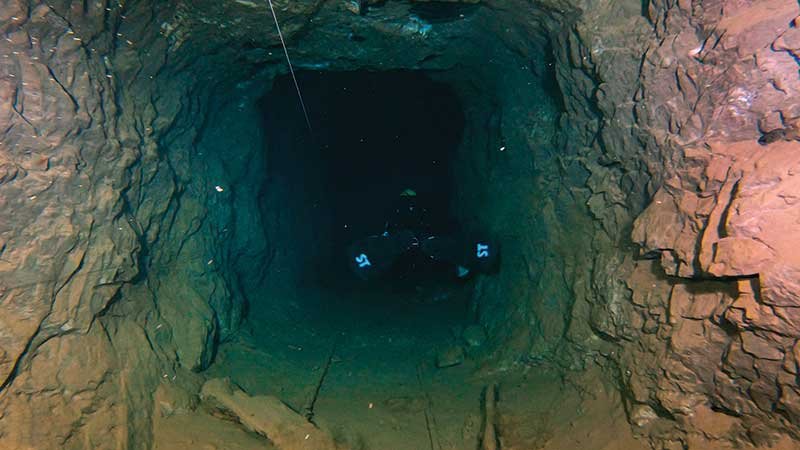
Ancient Greek sacred sites certainly contained underground structures and hidden architectural spaces, but their purposes were generally practical, ritual, structural, or associated with water—not the dramatic secret passages of popular fiction.
Why Build Underground?
Ancient builders had several reasons.
They needed to create:
Foundations.
Drainage.
Water channels.
Storage areas.
Retaining structures.
Sacred subterranean spaces.
An enormous stone temple requires a stable foundation.
What visitors saw above ground depended on engineering below it.
Sacred Caves
Some Greek religious traditions associated caves and underground spaces with divine forces.
The underworld was an important concept in Greek religion.
Gods such as Hades and Persephone were associated with the world beneath the earth.
Natural caves could therefore acquire religious importance.
Water Systems
Water was one of the most common reasons to construct underground channels.
Sanctuaries needed water for:
Drinking.
Ritual washing.
Fountains.
Agriculture.
Maintenance.
A concealed water channel could be completely practical.
The Acropolis
The Acropolis of Athens contains complex geological and architectural features beneath its monumental buildings.
The rock itself contains natural cavities and ancient modifications.
Over centuries, the hill was repeatedly altered.
This makes simplistic claims about one giant “secret tunnel network” misleading.
Restricted Spaces
Ancient temples could contain areas accessible only to certain individuals.
Priests might have responsibilities that ordinary visitors did not.
Sacred objects could be protected.
Certain rituals could be restricted.
This produced genuine secrecy—but religious secrecy is not the same as a secret tunnel.
The Temple as a Layered Structure
A Greek sanctuary was not a single building.
It could include:
Temple.
Altar.
Treasury.
Sacred grove.
Monument.
Fountain.
Processional route.
The entire landscape could be sacred.
Why Hidden Spaces Fascinate Us
Archaeological ruins are incomplete.
A modern visitor sees broken walls.
The original building had roofs, doors, decorations, people, rituals, and restricted areas.
The missing pieces encourage imagination.
But archaeology works best when imagination is controlled by evidence.
The Real Mystery
The most fascinating underground features are often the ones that can actually be demonstrated.
An ancient water tunnel.
A carefully engineered foundation.
A subterranean chamber.
A hidden drainage system.
These reveal practical knowledge that ancient builders possessed.
The Greeks did not need fictional treasure tunnels to be impressive.
Their real underground engineering is extraordinary enough.