Who was the wreathed woman found lavishly buried on a bed beneath the foundations of a modern house in the Kozani village of Mavropigi? Was she a noblewoman or was she connected to the cult of Apollo? These are but two of many questions still being investigated by archaeologists and anthropologists studying the fascinating discoveries made beneath a recently demolished West Macedonia village.
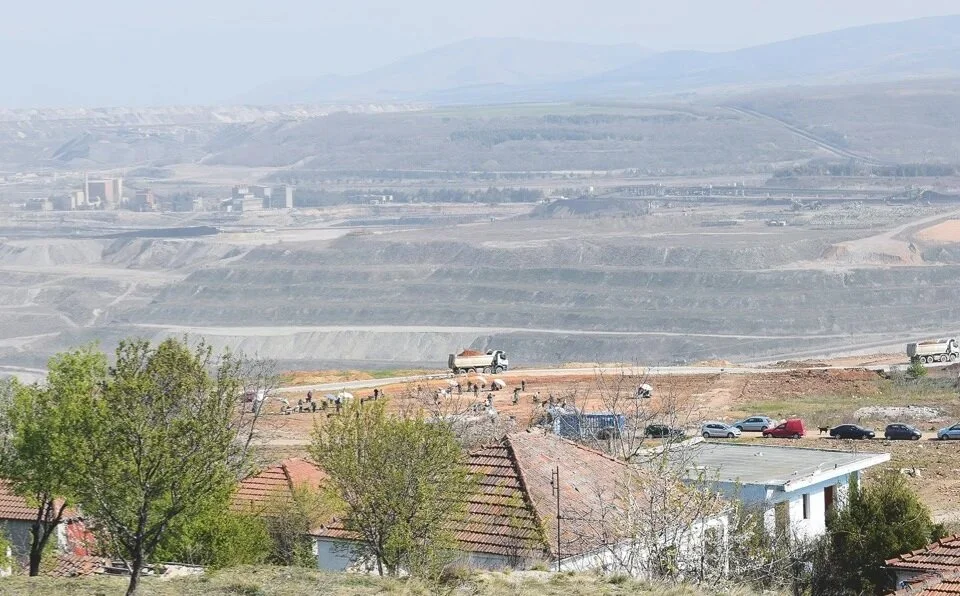
The plot beneath the Haitidi family home was among the last to be cleared in Mavropigi.
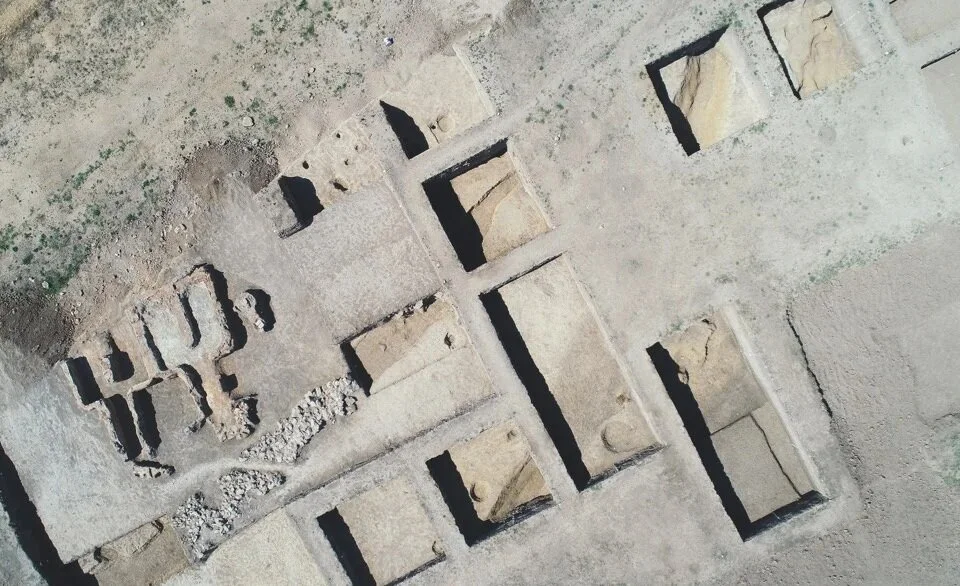
Mavropigi is located 11 kilometers from Public Power Corporation’s Ptolemaida plant and the villagers were evacuated in 2011 when the land it stood on was appropriated by the state-owned electricity firm. What archaeologists have discovered during excavations at 50 locations since is that the area has been inhabited since Neolithic times (6500 BC) and was never completely deserted. This constant habitation is evidenced by residential and funerary artifacts brought to light before PPC started mining for lignite.
The death bed, brought to light in 2019 with the demolition of a house belonging to the Haitidi family, was one of the most exciting discoveries made at the site and was also the star exhibit at a recent online presentation of the archaeological work being done in the area.
“The owner of the house, which was near the village square, was one of the last residents to leave. He refused to accept this forced evacuation,” says archaeologist Areti Chondrogianni-Metoki, who is the curator of Kozani antiquities and supervisor of the lignite mine excavations. The intact burial site has been dated to the late 1st century BC or early 2nd century AD and stands out for the pristine state of the death bed.
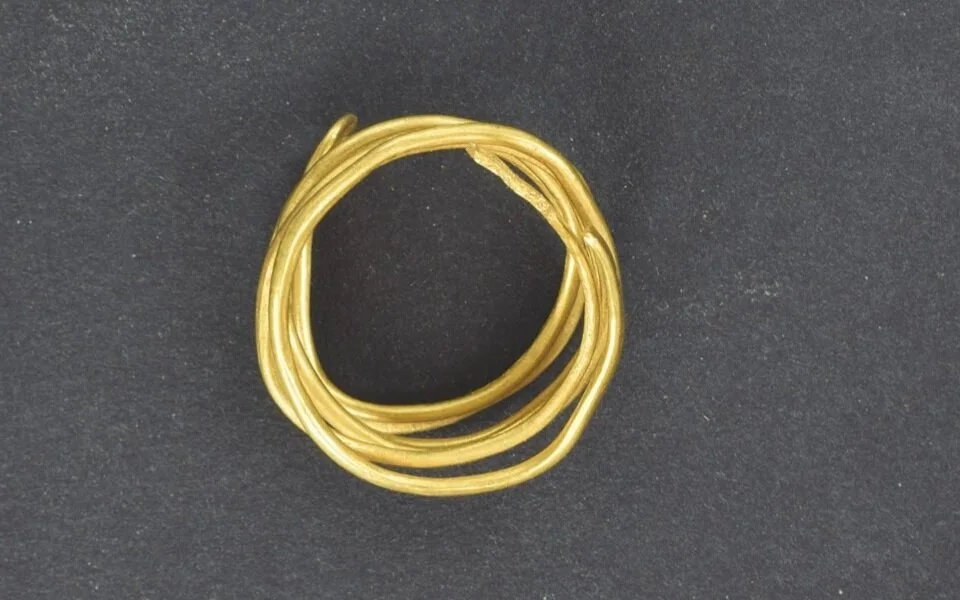
The woman was also buried with an amphora, several vases, six perfume vials and other valuable objects, while her mouth was covered with a square plate made of gold and she had 10 gold laurel leaves around her head, which must have been sewn into a wreath. Gold threads collected from around her right wrist are thought to have been a part of lavish adornments on a dress or robe, pointing to her high economic and social standing.
The cult of Apollo
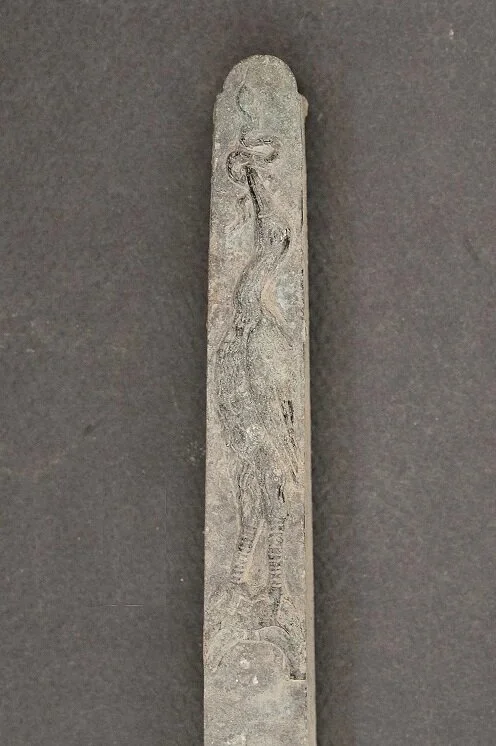
The woman’s remains lay on a bed that was 2 meters long, 90 centimeters wide and 40 centimeters high. It was made of wood and bronze, possibly by a local craftsman, and would have been very expensive at the time. The bronze elements were adorned with the head of a mermaid, or gorgon, and a long-legged aquatic bird holding a snake in its beak.
“Bed burials were common practice in Hellenistic times, but this is the first such structure we have ever found, made with bronze,” explains Chondrogianni.
“The laurel wreath indicates burial customs reserved for individuals of royal lineage or religious authority. The laurel leaf was a symbol of Apollo, but also the snake, in combination with a stele dedicated to the god of music that was found in a Hellenistic settlement nearby, at Kastro, make it likely that the deceased may have had a connection to the cult of Apollo,” she adds.
Either way, the bed’s intact state and in situ discovery makes it a unique find and adds valuable information to our knowledge of ancient burial rituals and customs, the social structure of the settlement and advances in metalwork in the Kingdom of Eordaea.
Source: ekathimerini