Introduction
In ancient Greece, combat sports were far more than popular public entertainment; they were a vital civic institution, a sacred religious devotion, and the definitive measure of masculine excellence (arete). While track and field events were highly respected, the heavy combat disciplines—wrestling (pale), boxing (pygme), and the brutal combat sport known as pankration—held the absolute place of honor at the Panhellenic games. Governed by a cultural ideology that deeply romanticized physical struggle, these events functioned as a highly controlled, ritualized expression of real-world violence, bridging the gap between democratic athletic competition and the harsh demands of battlefield survival.
The Technical Mechanics and Cultural Status of the Heavy Events
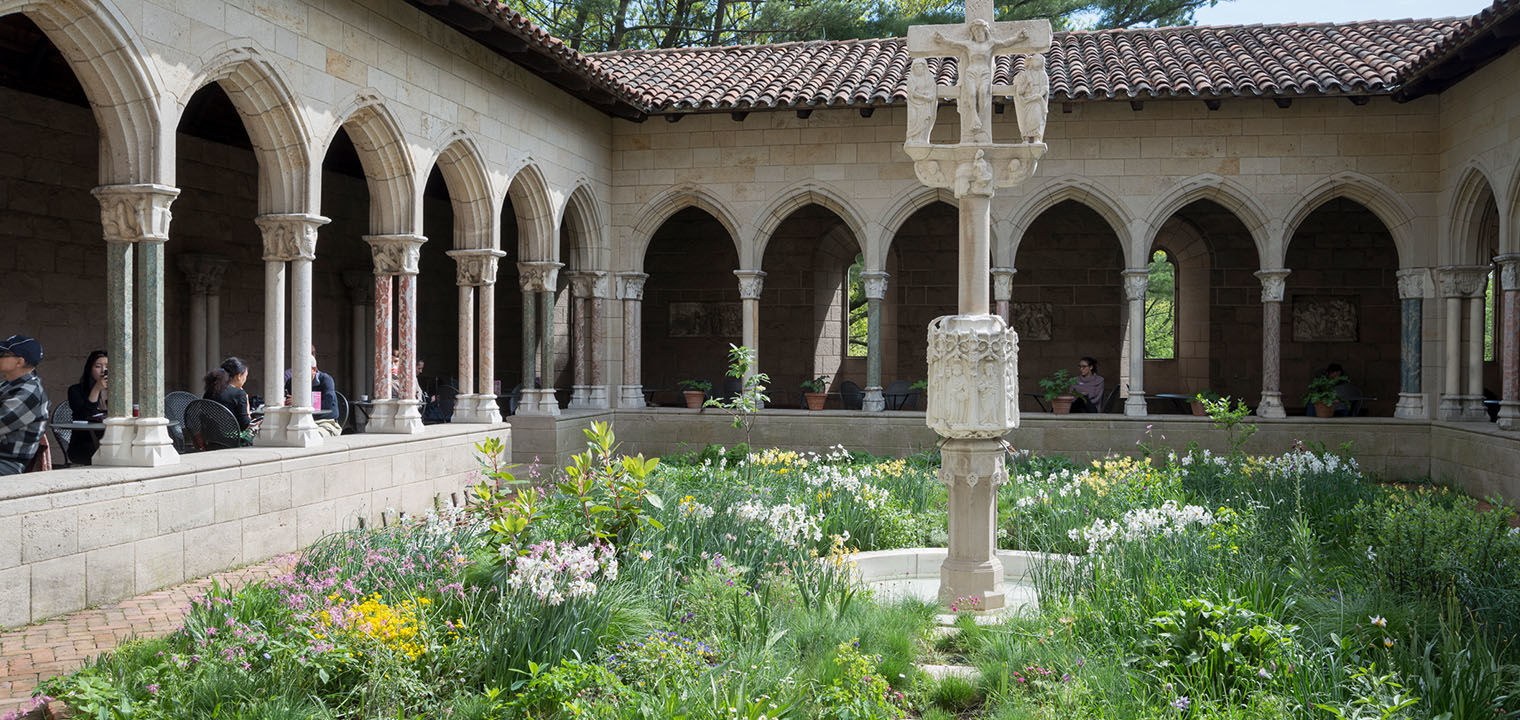
The architectural heart of combat sports training was the palaestra—a specialized, colonnaded courtyard filled with fine sand (skamma). Here, under the watchful eye of a trainer wielding a long wooden switch, athletes coated their bodies in olive oil and dusted themselves with fine powder to regulate their grip.
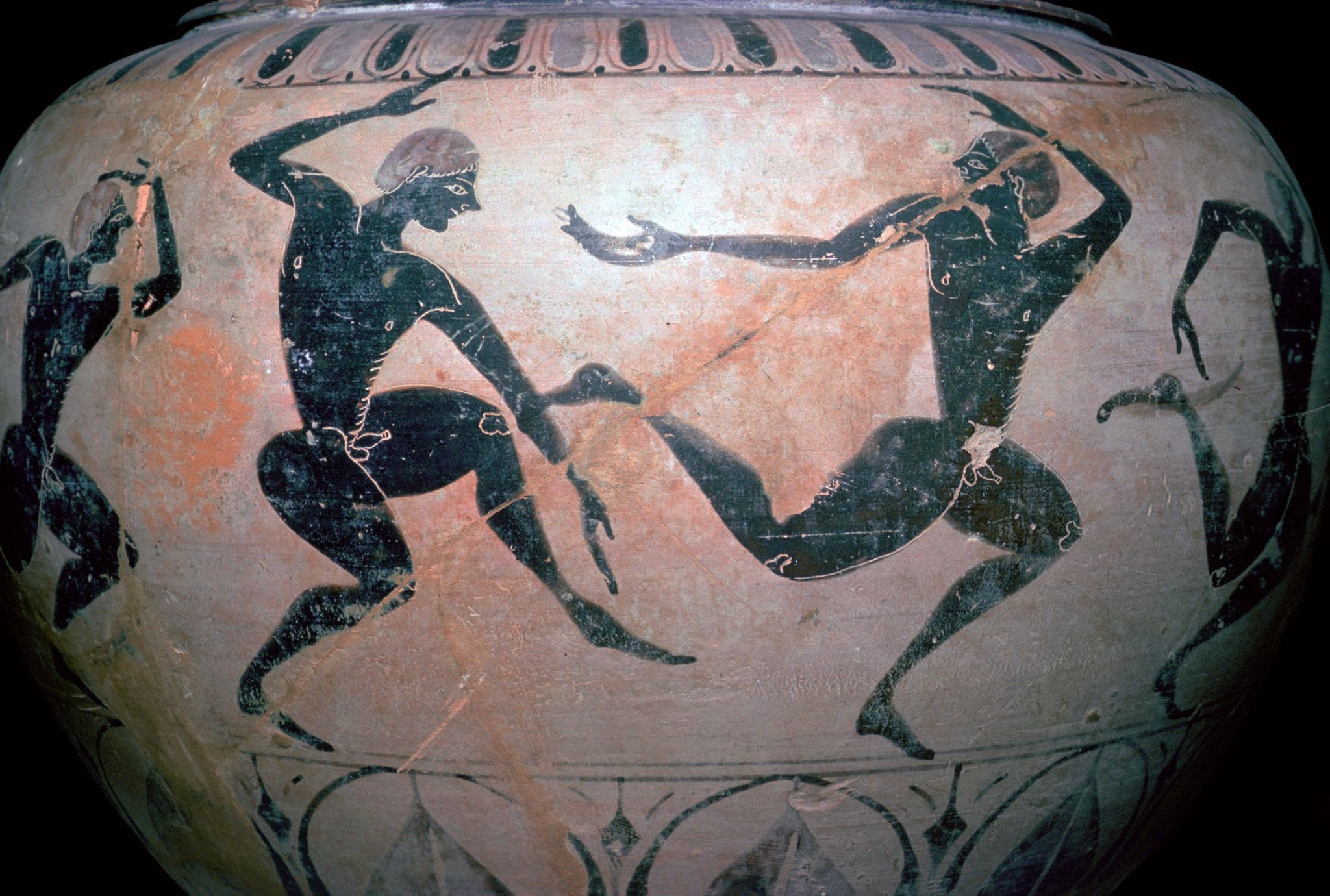
Wrestling (pale) was considered the ultimate test of intellectual discipline and physical leverage. To secure a victory, a wrestler had to throw his opponent to the sand three times, relying on sophisticated hip throws, sweeps, and wrist locks that prized technical skill over brute strength.
In stark contrast to the tactical discipline of wrestling stood the combat sports:
Boxing (Pygme): Boxers wrapped their hands in long strips of raw ox-hide leather called himantes. There were no rounds or weight classes; matches continued uninterrupted under the baking sun until one athlete raised a single finger to signal submission or collapsed unconscious.
Pankration: A devastating combination of boxing, wrestling, and martial arts, pankration permitted almost any attack—including bone-breaking joint locks, chokeholds, and sweeping kicks—forbidding only biting and eye-gouging.
The immense cultural prestige of these sports was directly tied to their utility in war. A hoplite who lost his spear and sword in the chaos of a collapsing phalanx relied entirely on close-quarters combat skills to survive.
Victorious combat athletes were revered as living demigods within their home city-states; they were granted lifetime pensions, free meals in the civic hall (prytaneion), and immortalized in soaring victory odes composed by elite poets like Pindar, proving that the capacity to endure extreme physical pain was viewed as a supreme civic virtue.
Conclusion
The intense focus on combat sports unmasks a society that deliberately utilized athletics to civilize the destructive realities of human warfare. By transforming dangerous physical combat into a highly structured, rule-bound competition dedicated to the gods, the Greeks managed to celebrate raw physical power while strictly demanding institutional discipline. The sandy courtyards of the palaestra and the enduring victory hymns stand as a monument to a culture that firmly believed that true human excellence could only be fully forged through the ultimate challenge of direct struggle.