How Ancient Greek Families Preserved Stories Before Books Were Available to Everyone
Long before television, social media, printed novels, or digital archives, families preserved their histories through storytelling.
Ancient Greek culture was deeply oral.
Stories were performed, recited, memorized, adapted, and passed from one generation to another.
Children did not need a library to learn mythology.
They could hear stories from parents, grandparents, teachers, performers, and community members.
Oral Tradition
An oral tradition depends on memory.
Stories must be remembered well enough to be repeated.
But oral storytelling does not necessarily mean that every version remains identical.
A storyteller can adjust:
Language.
Details.
Emphasis.
Humor.
Moral lessons.
This means myths could change over generations.
Children and Mythology
Greek children grew up surrounded by stories involving:
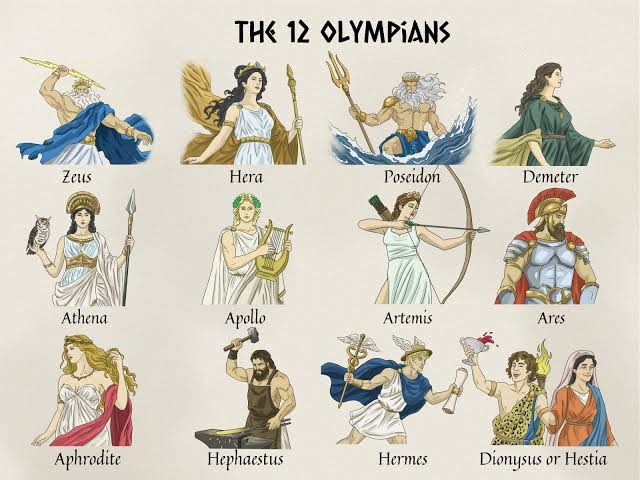
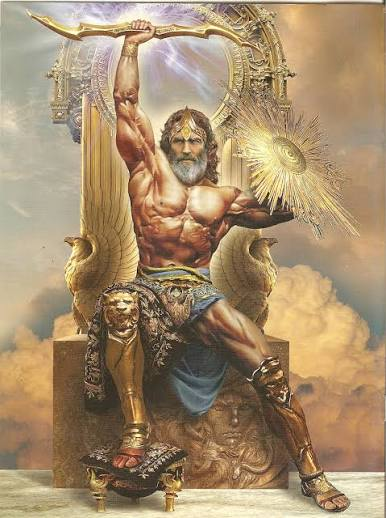
Zeus.
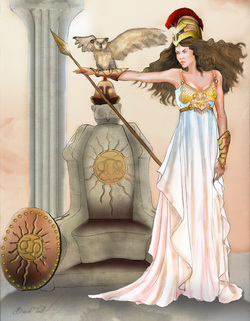
Athena.
Heracles.
Perseus.
Theseus.
Odysseus.
These stories were entertaining, but they could also communicate cultural values.
A story could teach lessons about:
Courage.
Pride.
Loyalty.
Cleverness.
Hospitality.
Punishment.
Storytelling at Home
Not every ancient Greek family had identical traditions.
Social class mattered.
Education varied.
Gender expectations differed.
The household was nevertheless an important environment for transmitting cultural knowledge.
Stories could be told during meals, celebrations, religious occasions, and everyday activities.
Myth as Family Education
A child hearing a story about a hero could learn more than the plot.
They could learn what their community considered admirable—or dangerous.
The story of Icarus could warn against recklessness.
The story of Odysseus could emphasize intelligence and endurance.
Stories of gods could demonstrate the consequences of arrogance.
Genealogy
Greek families also cared deeply about ancestry.
Genealogical traditions could connect families to:
Heroes.
Founders.
Gods.
Famous ancestors.
These stories could strengthen social identity.
Women and Domestic Storytelling
Women played important roles in transmitting household traditions.
Children learned language, customs, religious practices, and family memories through daily interactions.
This part of ancient culture is harder to reconstruct because surviving written sources were often produced by elite men.
The historical record therefore does not fully represent everyday family storytelling.
Songs and Poetry
Storytelling was closely connected with poetry.
Epic traditions were designed for performance.
The Iliad and Odyssey belonged to a much older oral tradition before their written forms were established.
Repetition, formulaic language, rhythm, and recurring phrases helped performers remember long narratives.
The Power of Repetition
A story repeated many times becomes easier to remember.
Important characters can be associated with familiar descriptions.
Major events can follow predictable patterns.
This structure helps oral transmission.
Why Stories Survived
The survival of Greek mythology is partly the result of later writing.
Poets and authors eventually recorded stories.
But before that, communities had already preserved them through memory and performance.
The written page did not create the stories.
It captured traditions that had already been circulating.
Storytelling as Cultural Memory
Ancient Greek storytelling allowed communities to preserve a shared past.
Even when stories were mythological rather than historically factual, they expressed cultural identity.
A family could pass a story to its children.
Those children could pass it to their children.
Generation after generation, the story survived.
That is the extraordinary power of oral tradition.
A voice disappears.
A storyteller dies.
But if someone remembers the story, it continues.