Introduction
Ancient Greek theater was a cornerstone of cultural and religious life, bringing together large audiences for dramatic performances and civic events. The architectural design of Greek theaters prioritized both acoustics and visibility, ensuring that thousands of spectators could enjoy performances with clarity. Innovations in seating arrangements and sound engineering continue to influence modern theater construction.
Acoustic Innovations
Natural Amplification: Theaters were built into hillsides, allowing the natural slope to enhance sound projection.
Orchestra as the Acoustic Center: The circular orchestra, where the chorus performed, helped distribute sound evenly across the theater.
Cavea Design: The semi-circular arrangement of seating created an amphitheater effect, directing sound waves toward the audience.
Materials and Sound Reflection: Stone seating and stage structures helped amplify actors' voices, minimizing sound absorption.
The Epidaurus Effect: The Theater of Epidaurus is renowned for its near-perfect acoustics, where even a whisper from the stage can be heard clearly in the uppermost rows.
Seating Arrangements for Visibility
Tiered Seating (Theatron): Spectators sat in a radial pattern, providing clear sightlines for all attendees.
Distinction by Social Status: Front-row seats (prohedria) were reserved for officials and priests, while general spectators sat in higher tiers.
Capacity and Expansion: Large theaters, such as the Theater of Dionysus in Athens, could accommodate up to 17,000 spectators, reflecting the popularity of dramatic performances.
Skene and Scene Design: The skene, or stage building, served as a backdrop while also enhancing sound projection.
Lasting Influence
The principles of Greek theater architecture influenced Roman amphitheaters and modern performance spaces.
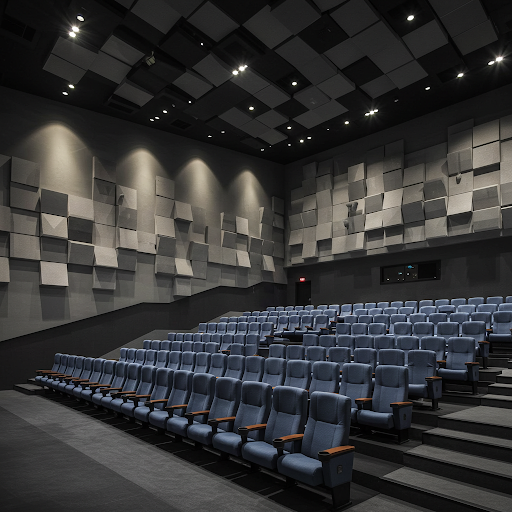
Contemporary theaters incorporate similar tiered seating and acoustic techniques to optimize audience experience.
Conclusion
Greek theater architecture was a marvel of engineering and design, balancing aesthetics with practical considerations for sound and visibility. These innovations ensured that performances could be enjoyed by large audiences, leaving a lasting legacy on theater design throughout history.