In ancient Greece, the gymnasium was far more than a place to lift weights. Derived from the word gymnos (meaning "naked"), it was the center of community life, serving as an athletic facility, a social club, and a university. It was here that the Greek ideal of Kalos Kagathos—being both "beautiful and good"—was cultivated.
1. The Architecture of Excellence
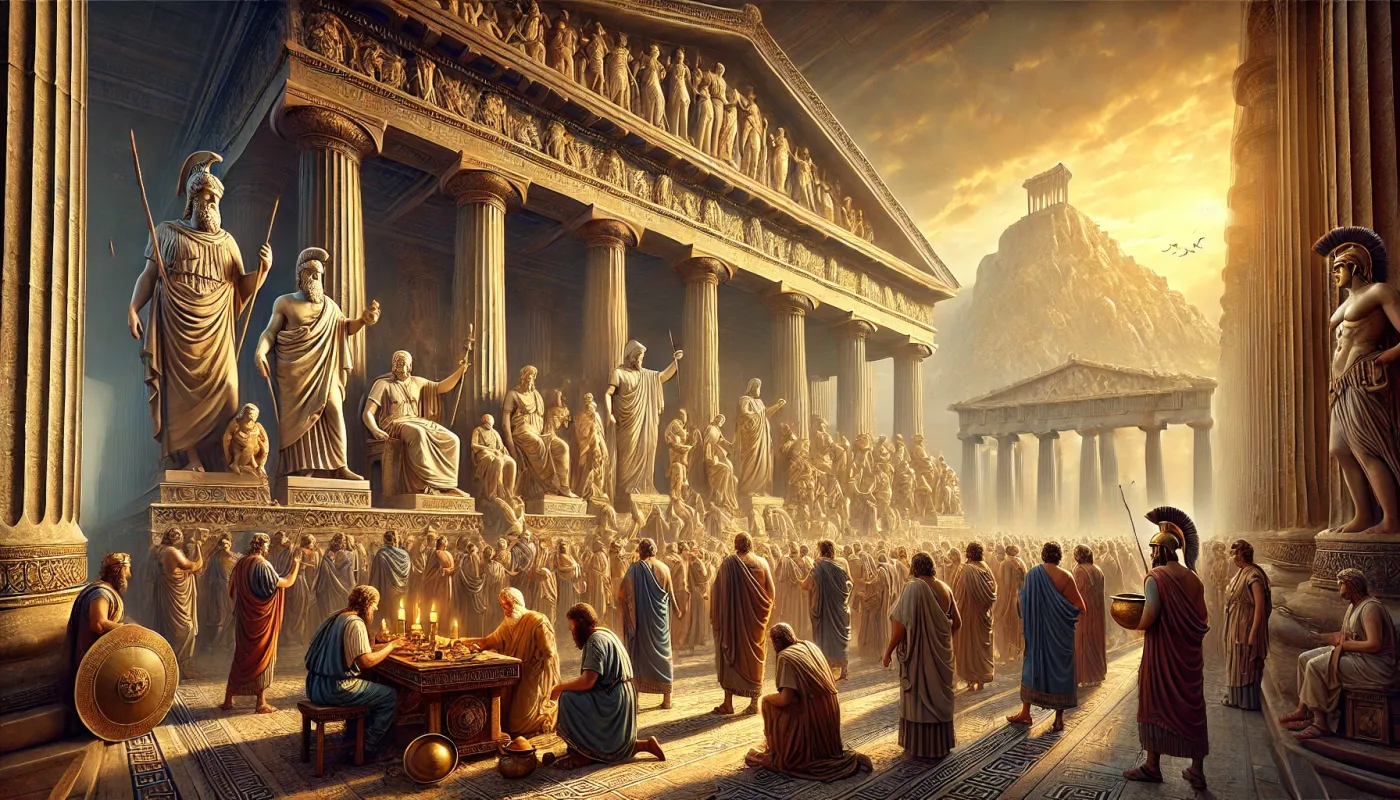
A gymnasium was typically a large, sprawling complex located in a grove of trees outside the city walls, providing a serene environment for both physical and intellectual pursuits.
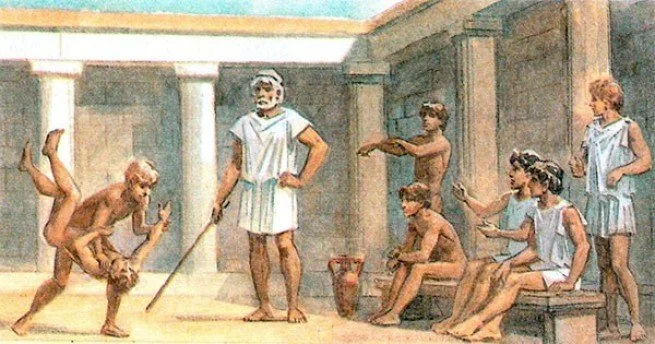
The Palaestra: The heart of the complex, a large open-air courtyard surrounded by colonnades. This was specifically for wrestling and jumping.
The Xystos: Covered porticos where athletes could practice running during bad weather.
The Ephebeion: A large hall used as a classroom for the ephebes (young men aged 18–20) to study philosophy, rhetoric, and music.
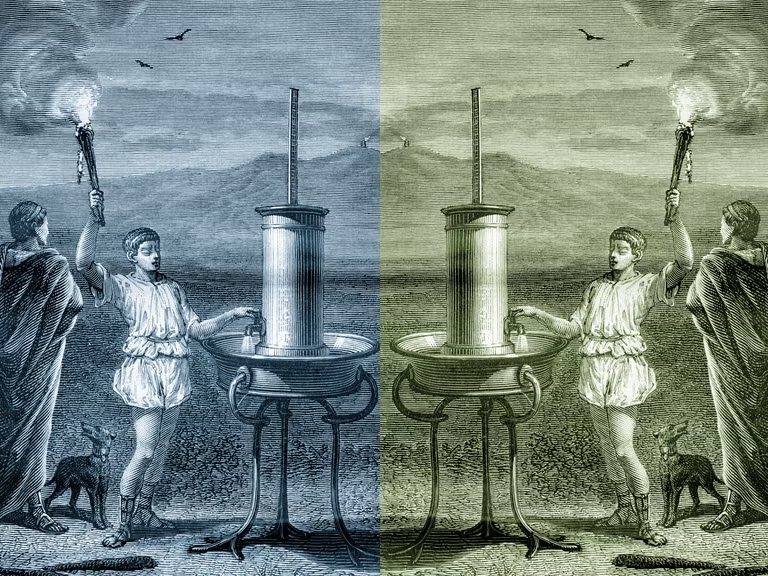
The Baths: Essential for hygiene, containing cold water basins (loutra) and occasionally steam rooms for relaxation after training.
2. The Daily Ritual: Oil, Dust, and Scrapers
Training was a sensory experience involving a specific sequence of preparation and cleaning.
Anointing: Athletes would strip naked and rub their bodies with olive oil. This was believed to keep the muscles supple and protect the skin from the sun.
Dusting: They would often throw fine sand or dust over the oil to provide a better grip for wrestling opponents.
The Strigil: After exercise, the "gloios" (a mixture of sweat, oil, and dust) was scraped off using a curved metal tool called a strigil. Interestingly, this residue was sometimes collected and sold as a medicinal ointment for aches and pains.
3. The Curricula: Beyond the Physical
The gymnasium was the primary site of the Ephebeia, the state-sponsored training program for young citizens.
Athletic Training: Specialized instructors known as paidotribai taught the "Heavy Events"—boxing, wrestling, and the pankration—as well as the pentathlon (running, jumping, discus, javelin, and wrestling).
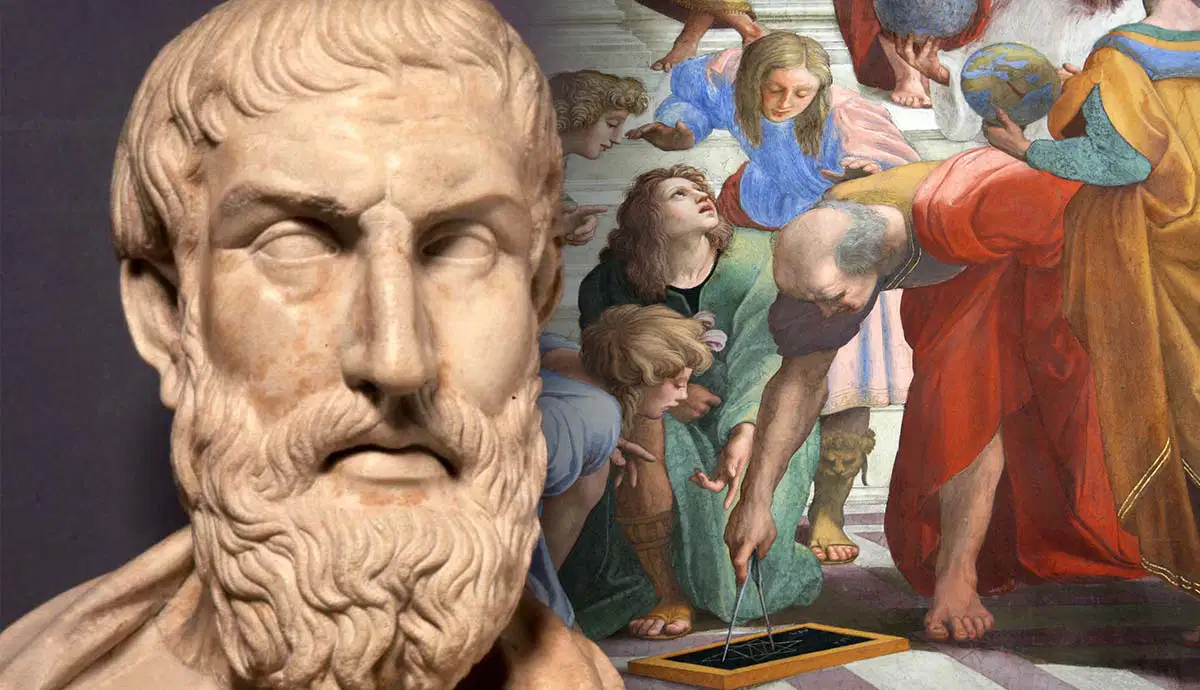
Intellectual Training: Philosophers like Socrates, Plato, and Aristotle were famous for frequenting the gymnasia. They realized that young men were most "teachable" while at leisure.
The Birth of Schools: Some of the most famous philosophical schools in history were named after the gymnasia where they met:
The Academy: Founded by Plato in the Akadēmeia gymnasium.
The Lyceum: Founded by Aristotle in the Lykeion gymnasium.
4. The Gymnasia of Athens
Athens had three great public gymnasia, each with its own character:
The Academy: Located in a sacred grove of olive trees, it was associated with the hero Akademos and became the world's first "university."
The Lyceum: Associated with Apollo Lykeios, it was the site of Aristotle's "Peripatetic" school, where he famously walked with students under the covered walkways.
The Kynosarges: Located outside the walls, this was the gymnasium for nothoi (those of mixed parentage who were not full citizens). It eventually became the headquarters for the Cynic philosophers.
5. Social Status and Control
While the gymnasium was a public space, it was strictly regulated by an official called the Gymnasiarch.
Eligibility: Participation was generally limited to free-born male citizens. Enslaved people, women, and often "barbarians" were excluded from the facilities.
Civic Virtue: The gymnasium was seen as a training ground for war. A man who was physically "soft" (malakos) was viewed with suspicion, as he was seen as less capable of defending the city in a phalanx.
The Greek gymnasium proved that the ancients did not see a conflict between the "jock" and the "nerd." To them, a sharp mind required a disciplined body to house it.