Beauty in ancient Greece was seen as a physical manifestation of moral excellence. This concept, known as kalokagathia, meant that a "beautiful" person was likely a "good" person. Consequently, both men and women spent significant time and resources grooming their hair and skin to align with the idealized proportions seen in their sculpture.
1. The Architecture of Hair
Hair was the most important indicator of age, status, and gender in the Greek world. It was rarely left to hang naturally; instead, it was pleated, braided, and bound.
Women’s Hairstyles
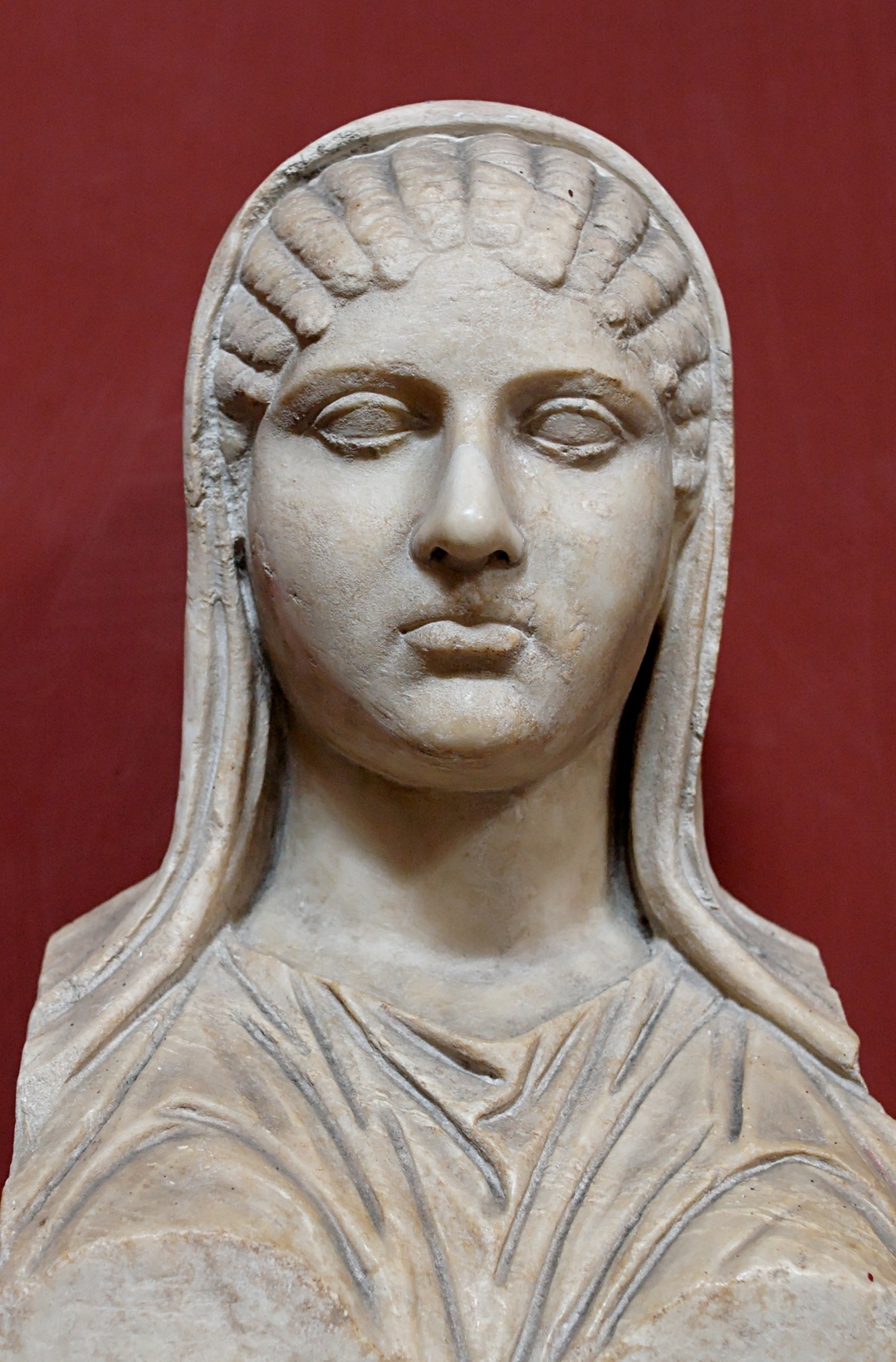
The "Melon" Style: Popularized in the Hellenistic period, hair was divided into vertical sections (like the ribs of a melon) and pulled back into a bun or a "chignon" at the nape of the neck.
The Krobylos: An elaborate knot or bun at the top or back of the head, often held in place by gold or ivory pins.
Status and Length: Long hair was a mark of a free woman. Enslaved women were typically forced to cut their hair short as a sign of their subservience.
Adornments: Women used stephane (diadems), ribbons, and sakkos (decorative hair nets) to manage their elaborate styles.
Men’s Hairstyles
Archaic "Spiral" Curls: In the early periods, men wore their hair long and intricately curled.
The "Athlete" Cut: By the Classical period (5th century BCE), men transitioned to shorter hair. Long hair on an adult male became associated with vanity or "Spartan" leanings.
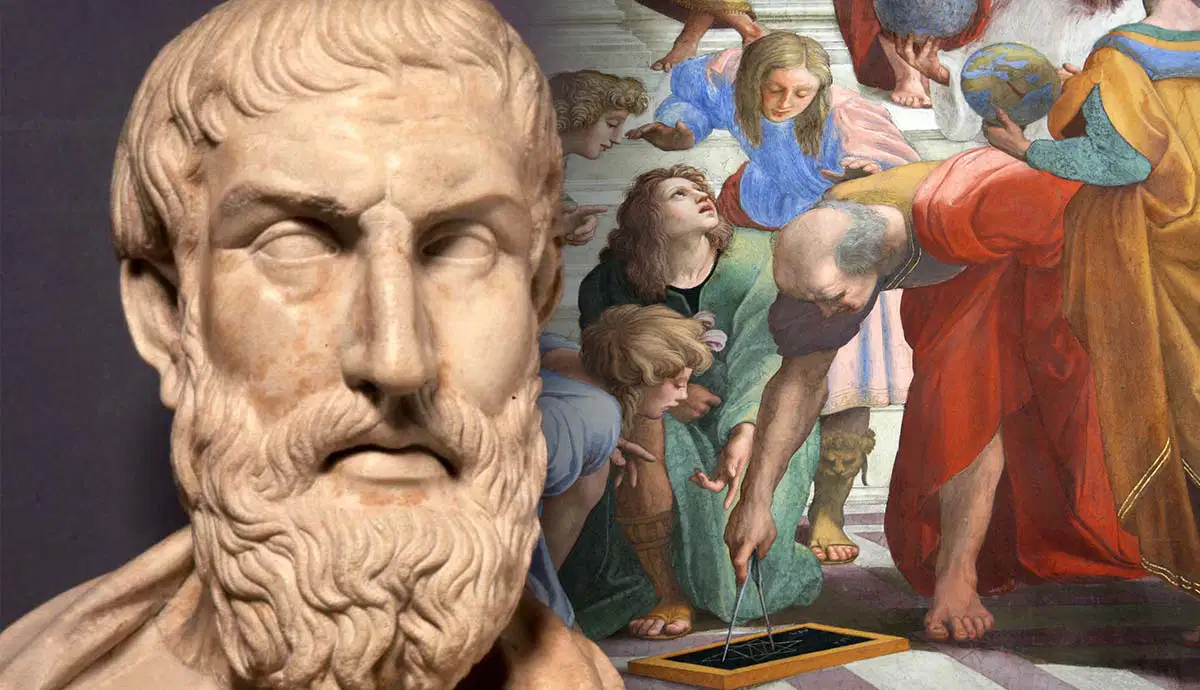
Beards: A full, well-groomed beard was the hallmark of the mature citizen and philosopher. It wasn't until Alexander the Great that the "clean-shaven" look became the fashion for men, as he ordered his soldiers to shave so enemies couldn't grab their beards in battle.
2. Skin: The "Ideal" Palette
The Greeks held very specific—and gendered—standards for skin tone, which reflected the social structure of the city-state.
The Pale Ideal for Women: Since "respectable" women were expected to stay indoors to manage the oikos, pale skin became a sign of high status and wealth.
The Bronze Ideal for Men: Conversely, a deep tan was the ideal for men. It signaled that they spent their time outdoors in the gymnasium or the agora, fulfilling their duties as athletes and citizens. A pale man was mocked as "effeminate" or "shadow-seeking."
Toxic Cosmetics: To achieve extreme paleness, women used white lead (psimythion). Unfortunately, this was highly toxic and caused skin damage and premature aging, leading to a vicious cycle of applying more lead to hide the damage.
3. Eyebrows and Eye Makeup
Greek beauty standards favored a very specific look for the eyes, influenced by Eastern trends.
The Unibrow: A continuous, dark eyebrow that met in the middle was considered a sign of high intelligence and beauty in women. If nature didn't provide one, women would use antimony (kohl) or even stuck-on goat hair to create the illusion of a single brow.
Darkened Lashes: Much like modern mascara, soot or charcoal mixed with oil was used to darken the eyelashes and the eyelids to make the eyes appear larger and more "liquid."
4. The "Golden" Ambition: Hair Dyeing
While most Greeks had naturally dark hair, the "ideal" hair color in mythology and poetry was often xanthos—a golden-blond or reddish-gold.
Bleaching: To achieve this, people applied a mixture of vinegar, yellow flower petals, and potassium water to their hair and sat in the sun for hours.
Wigs: For those who couldn't achieve the color naturally, wigs made from the hair of "barbarian" captives from Northern Europe (who were naturally blond) were highly prized.
5. Grooming Tools
Personal grooming was a daily ritual that required a specific "kit" found in many archaeological sites.
Mirrors: Made of highly polished bronze or silver. Because they were reflective on only one side, the back was often decorated with intricate mythological scenes.
Pyxides: Small ceramic boxes used to hold powders, rouges (made from crushed mulberries or beetroots), and perfumes.
Perfume (Muron): The Greeks were obsessed with scent. They used olive oil as a carrier for rose, lily, and iris essences. It was common for a wealthy person to use different scents for different body parts (e.g., mint for the arms, marjoram for the hair).