While the Ancient Greeks are famous for their philosophy and politics, they were also a culture that embraced competition, social bonding, and spectacle. Their idea of "fun" was rarely just passive entertainment; it was often tied to civic duty, physical excellence, and religious devotion.
I have updated the list of ancient Greek naming conventions to remove the section on compound "virtue" names.
1. The Power of the Grandfather
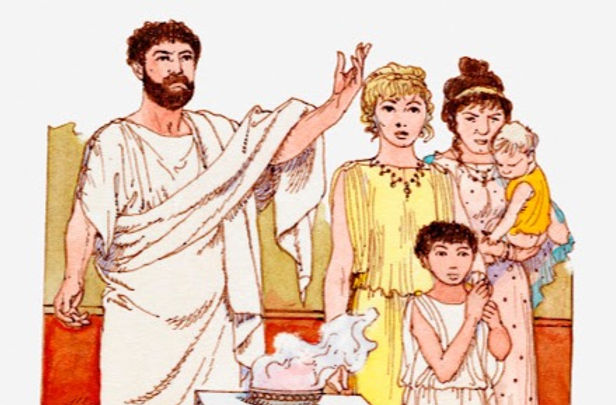
The most rigid rule of Greek naming was the tradition of Amphidromia—the naming ceremony held five to ten days after birth.
The First-Born Son: By tradition, the first-born son was almost always named after his paternal grandfather.
Subsequent Children: The second son was often named after the maternal grandfather, and daughters followed a similar pattern, usually named after their grandmothers.
The Logic: This created a "cycling" of names within a family, ensuring that a famous ancestor's name would reappear every other generation. This is why history books are filled with multiple men named "Cimon" or "Miltiades" from the same family tree.
2. The Three Pillars of Identity
To distinguish between two men with the same name (since there were no last names), a Greek citizen used a three-part formal address:
The Name: Pericles
The Patronymic: Xanthippou (Son of Xanthippus)
The Demotic: Cholargeus (of the district of Cholargos)
In casual conversation, you might just be "Pericles, son of Xanthippus." If you traveled abroad, you would be "Pericles the Athenian."
3. Theophoric Names: Invoking the Gods
Parents often named children to place them under the protection of a specific deity or to thank a god for a successful birth.
Apollodoros: Gift of Apollo.
Demetrios: Belonging to Demeter.
Hermogenes: Born of Hermes.
Artemis: While common for girls, variations like Artemidorus were popular for boys.
Interestingly, Greeks rarely named a child exactly the same as a major god (e.g., just "Zeus"). It was considered slightly hubristic; instead, they used a derivative form.
4. Nicknames and Shortened Forms
Just like today, long compound names were often shortened for daily use.
Hypocoristics: A long name might be shortened to a nickname.
Physical Traits: Occasionally, a person would become known by a nickname that eventually replaced their birth name. The most famous example is Plato—his birth name was likely Aristocles, but his wrestling coach supposedly nicknamed him Platon (meaning "Broad") because of his wide shoulders or broad forehead.
5. Social Status and Naming
Names could also signal social class.
Aristocratic Names: Names containing "Hippos" (horse) were a major status symbol, as only the very wealthy could afford to keep horses for cavalry or racing.
Enslaved People: Upon being enslaved, individuals were often stripped of their birth names and given short, generic names, or names based on their place of origin (e.g., "Syros" for someone from Syria or "Thrax" for someone from Thrace).
6. Changing a Name
While rare, names could be changed, usually for religious reasons or to signify a massive shift in status. However, since the name was tied to the father's legal records in the deme, changing it was a bureaucratic headache that required public announcement.