Measuring time for the ancient Greeks was a localized and often confusing affair. Unlike our modern globalized calendar, there was no single "Greek Calendar." Instead, each city-state (polis) had its own unique system with its own month names, new year dates, and methods for "intercalation" (adding extra days to stay in sync with the seasons).
The most well-documented system is the Attic Calendar of Athens.
1. A Lunisolar Puzzle
The Greek calendar was lunisolar, meaning it tried to track both the cycles of the moon (29.5 days) and the solar year (365 days).
The Months: Each month began with the Noumenia (New Moon). Because a lunar month is roughly 29.5 days, months alternated between "full" (30 days) and "hollow" (29 days).
The "Short" Year: Twelve lunar months only equal about 354 days. To prevent the summer festivals from drifting into winter, the Greeks periodically added a 13th "leap month."
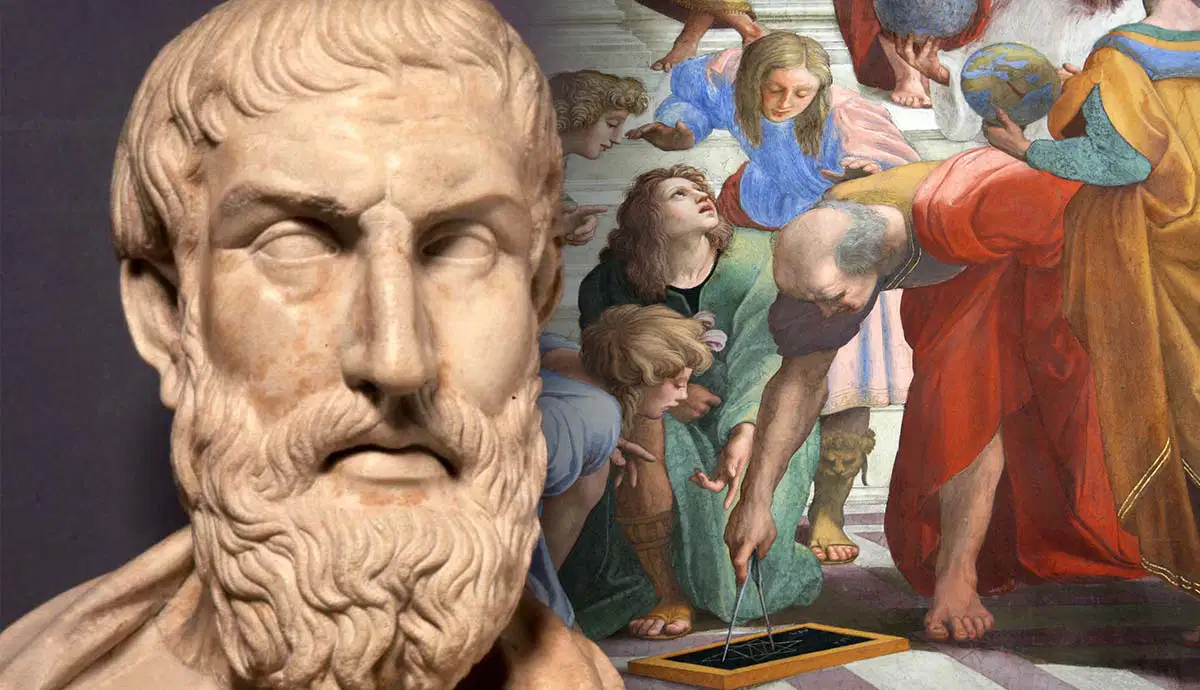
The Metonic Cycle: In the 5th century BCE, the astronomer Meton discovered that 19 solar years are almost exactly equal to 235 lunar months. This allowed for a more predictable system of adding leap months, though many cities ignored it in favor of political convenience.
2. Naming the Months
Months were not named after numbers or leaders (like our July or August), but after the major religious festivals held during that time.
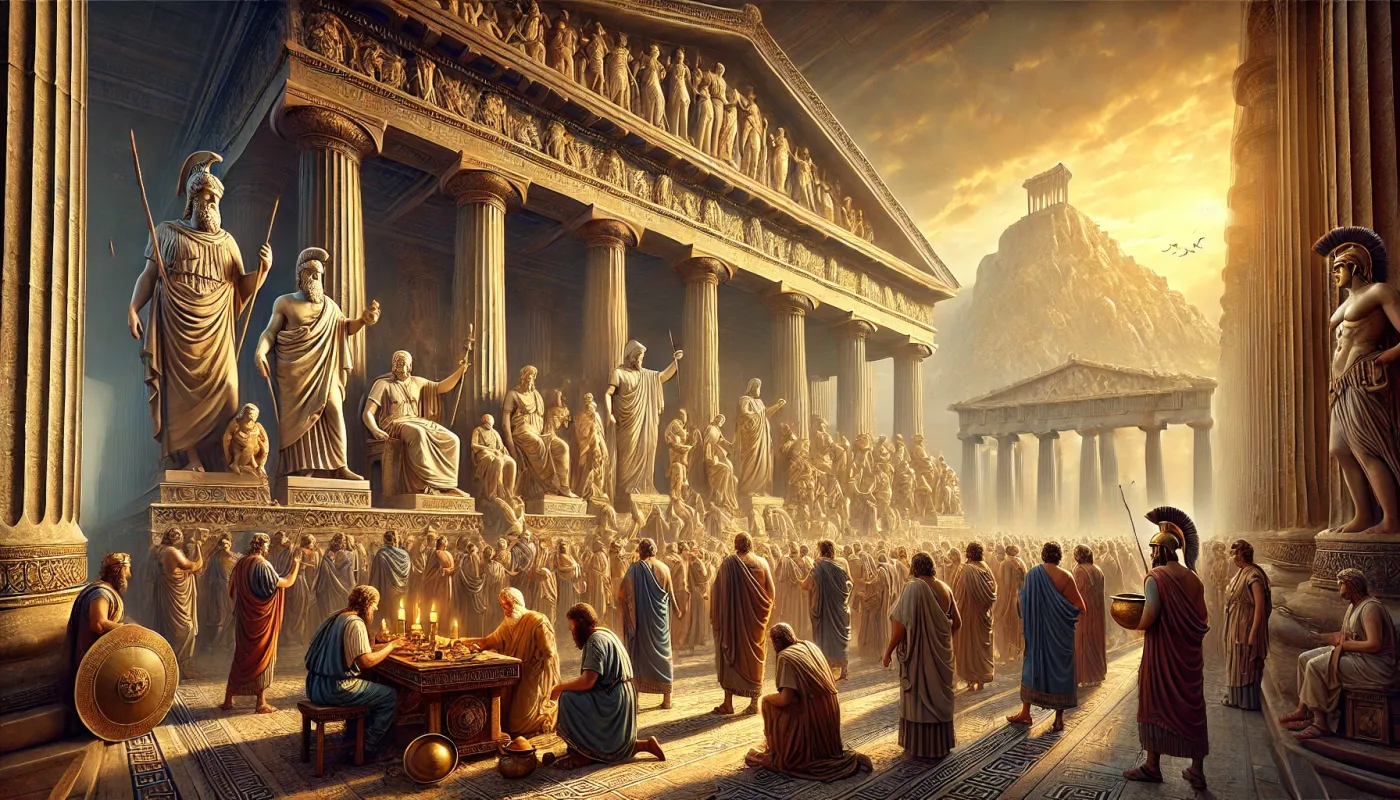
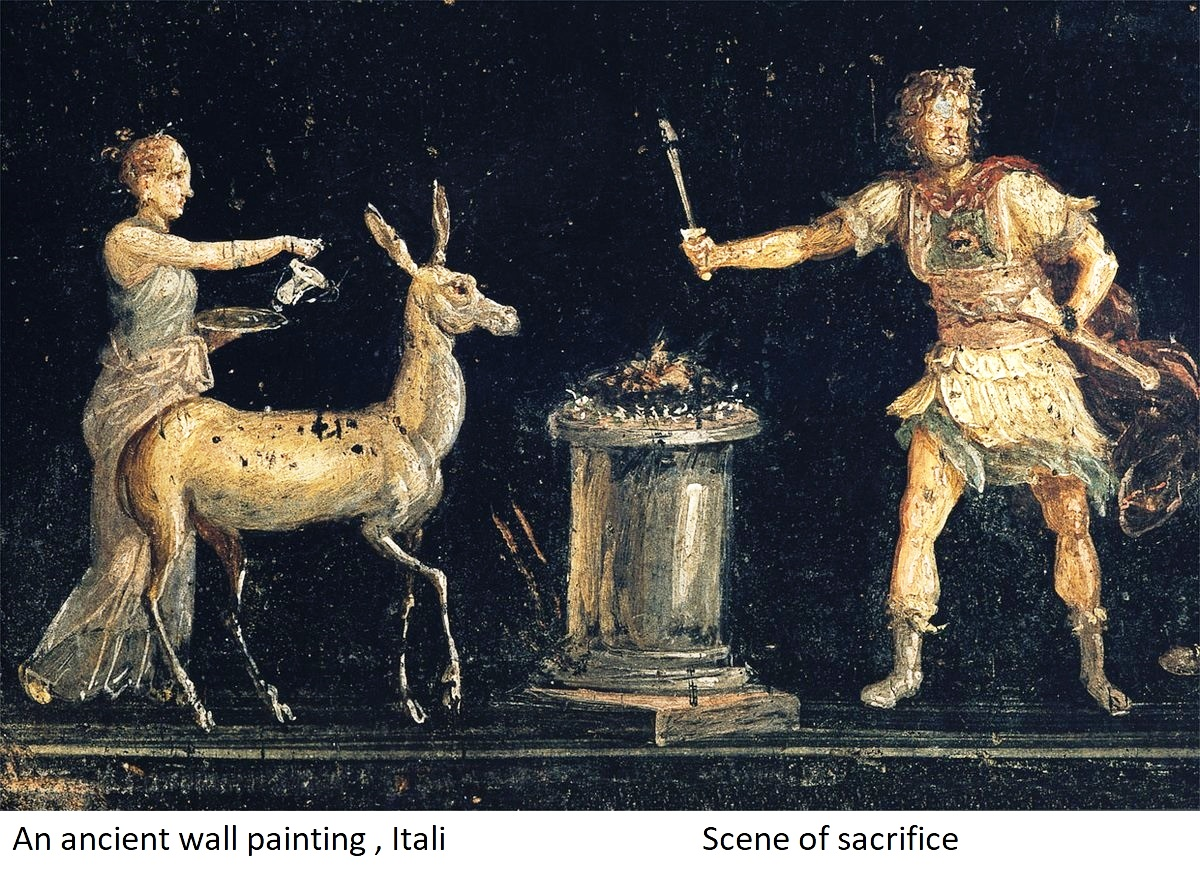
Hekatombaion: The first month of the Athenian year (roughly mid-July), named for the Hekatombaia festival where 100 oxen were sacrificed.
Anthesterion: The month of flowers and wine, featuring a festival for the god Dionysus.
Boedromion: Named for the Boedromia, a festival thanking Apollo for military aid.
3. Three Decades: How a Month Was Counted
The Greeks did not count days from 1 to 30. Instead, they divided each month into three "decades" (ten-day periods):
Men Istamenos (The Waxing Month): Days 1–10. Counted forward.
Men Meson (The Middle Month): Days 11–20.
Men Phthinon (The Waning Month): Days 21–30. These were often counted backwards from the next new moon. For example, the 27th day might be called "the 4th day from the end."
4. Measuring the Day: Sundials and Water
The Greeks divided the day into 12 hours of light and 12 hours of darkness. However, because the amount of daylight changes with the seasons, a "summer hour" was significantly longer than a "winter hour."
The Gnomon: A simple vertical rod that cast a shadow on a flat surface to track the sun's progress.
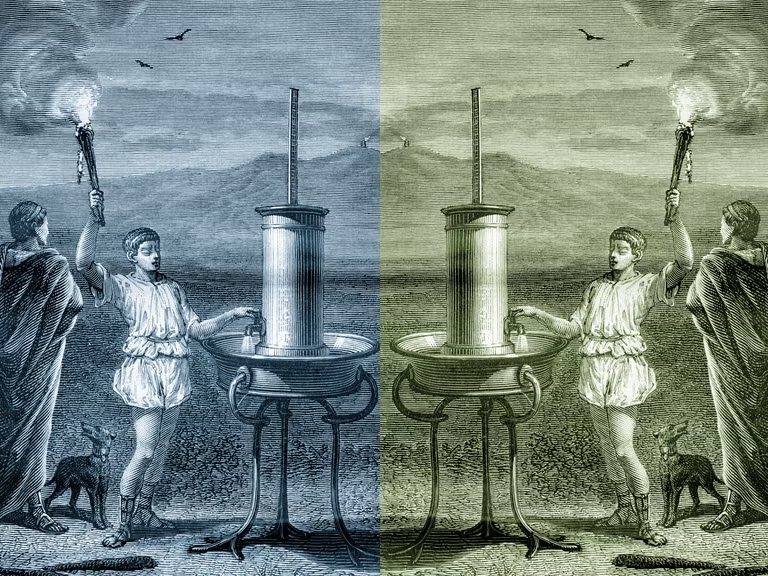
The Klepsydra (Water Clock): Since sundials were useless at night or on cloudy days, the Greeks used "water thieves." These were stone or ceramic jars with a small hole. Time was measured by how long it took for the water to drain from one vessel into another.
Legal Time: In the law courts, the length of a lawyer's speech was strictly timed by the klepsydra. Once the water ran out, their time was up.
5. Dating the Years: The Archons and Olympiads
The Greeks did not have a "Year 1" (like our 2026). They identified years in two main ways:
Eponymous Archons: In Athens, the year was named after the chief magistrate (Archon) currently in office. People would say, "In the year when [Name] was Archon."
The Olympiads: For historians, the four-year cycle of the Olympic Games provided a universal reference point. The "Era of the Olympiads" began in 776 BCE. A specific date would be recorded as, for example, "the third year of the 80th Olympiad."
6. The Civic vs. The Religious Calendar
Just to make things more complicated, Athens often ran two calendars simultaneously:
The Festival Calendar: For religious sacrifices and holidays.
The Prytany (Conciliar) Calendar: A strictly administrative calendar used to time the rotation of the Council members.
Since each city-state could add leap days or change their calendar whenever they wanted (sometimes to delay an unpopular festival or a debt deadline), do you think this "flexible" time made life more stressful, or were the Greeks just more comfortable with the idea of time being a local, fluid concept?