Artificial intelligence, earthquake monitoring, and the enduring challenge of forecasting seismic events.
Can a Machine Foresee an Earthquake?
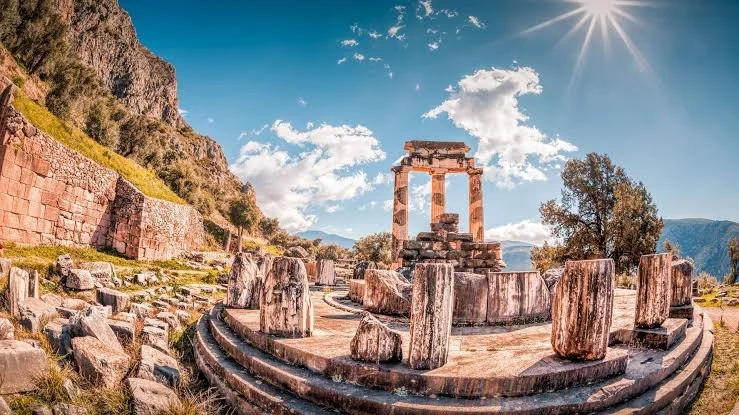
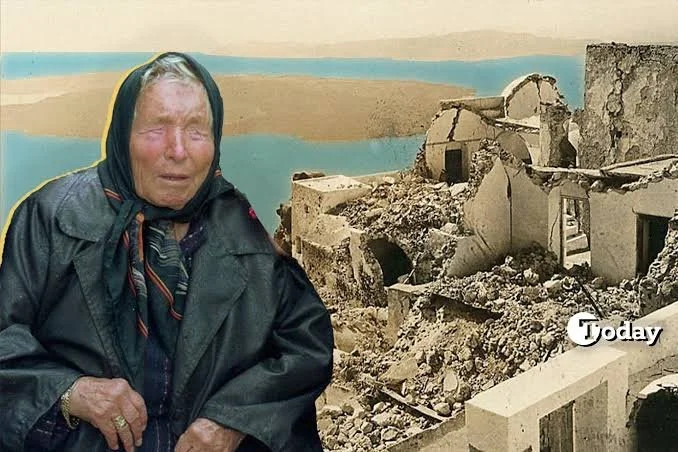
The Aegean region is shaped by active tectonic processes. Greece experiences earthquakes because the crust is deformed by the movement and interaction of tectonic plates and smaller geological blocks. These processes have influenced the region's landscapes, settlements, and architectural history.
Artificial intelligence is increasingly used to analyze large scientific datasets, including seismic recordings. Machine-learning systems can help classify earthquake signals, detect patterns, and support rapid estimates of an event's location or magnitude.
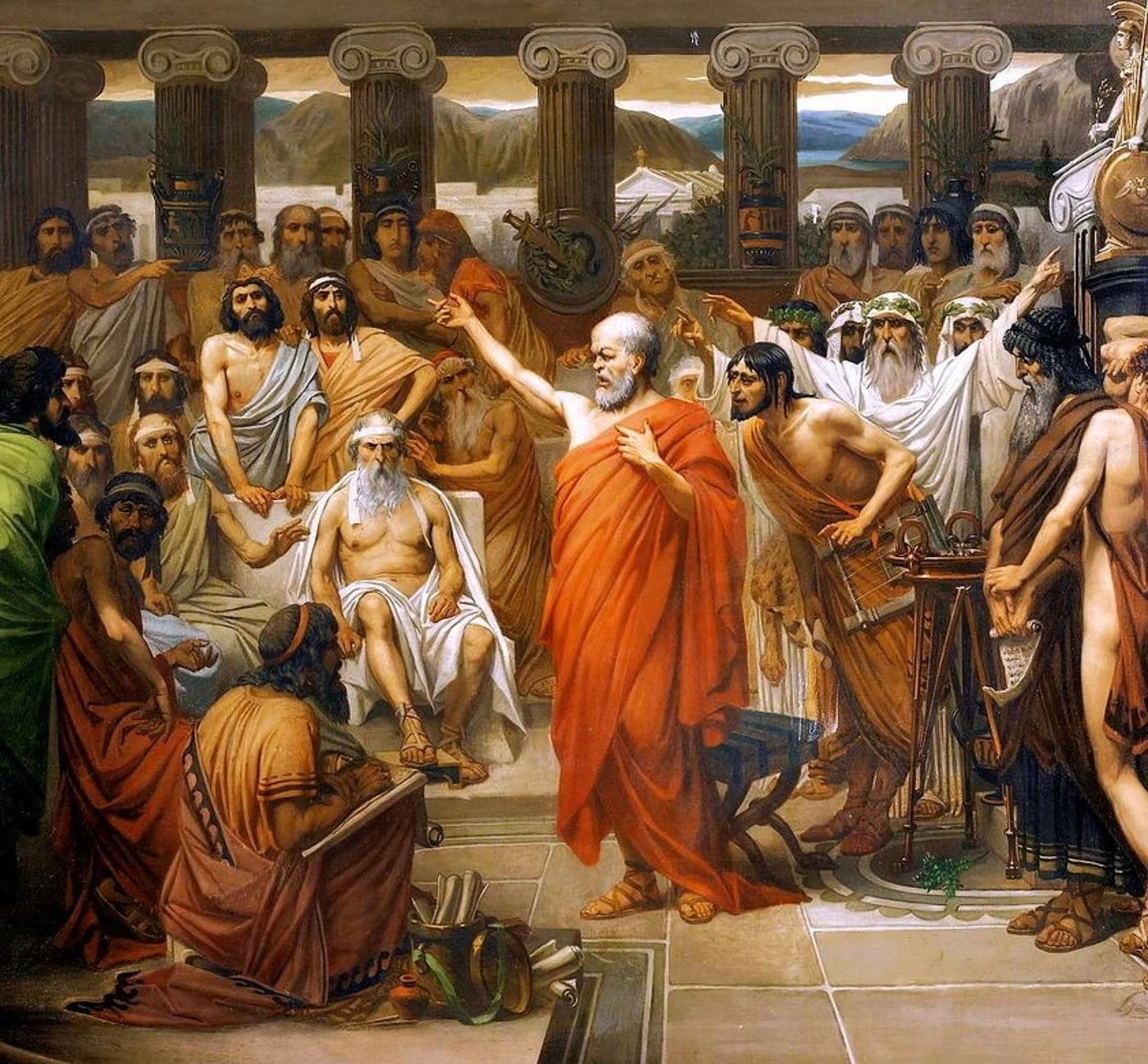
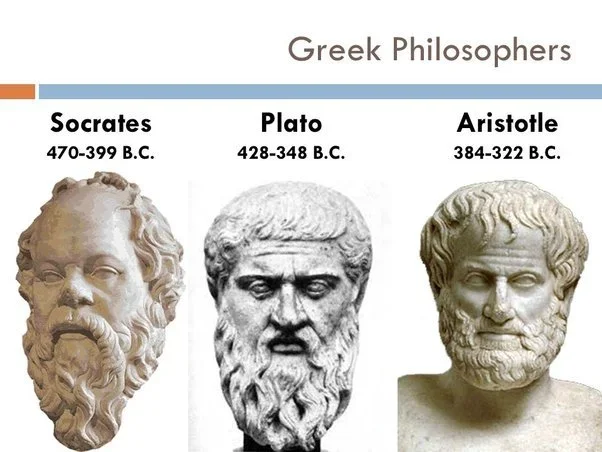
The idea of forgotten AI oracles that predict Aegean earthquakes combines modern computation with the ancient Greek tradition of seeking knowledge of the future. Yet there is no basis to claim that a particular abandoned AI system could reliably predict earthquakes in advance without credible technical evidence.
What AI Can Do with Seismic Data
Earthquake monitoring networks collect signals from seismometers distributed across a region. Researchers analyze these records to distinguish earthquakes from other sources of ground motion and estimate important characteristics of an event.
Machine-learning models can assist with tasks such as identifying seismic phases, detecting smaller events, separating signals from noise, and processing large volumes of continuous data.
Some systems can also support rapid earthquake early-warning operations. Early warning is not the same as predicting an earthquake days or weeks before it occurs. It uses information from an earthquake that has already begun to estimate shaking that may arrive at locations farther away.
This distinction matters because early warning can provide useful seconds of notice in some circumstances, while long-term earthquake prediction remains an unresolved scientific challenge.
Why Earthquakes Are So Difficult to Predict
An earthquake results from complex processes involving stress accumulation, friction, rock properties, faults, fluids, and interactions within the Earth's crust. Researchers can identify active faults and estimate seismic hazard over longer periods, but they cannot currently predict the exact time, location, and magnitude of an individual earthquake with dependable accuracy.
A statistical association in historical data does not necessarily provide a useful forecast. A model might identify patterns that appear meaningful in one dataset but fail when tested on new events.
Earthquake datasets also present challenges because large destructive earthquakes are relatively rare compared with smaller events. A model can appear accurate by frequently predicting that nothing significant will happen, yet provide little practical value when a rare event approaches.
The Aegean as a Seismic Research Environment
Greece's tectonic setting makes seismic monitoring and hazard assessment important areas of scientific work. Researchers study earthquake catalogs, fault structures, ground deformation, historical accounts, and regional tectonic processes.
AI tools can help integrate these different sources, but the quality of the result depends on the data and the methods used. Historical reports may have uncertain locations or magnitudes, while instrumental records cover only a limited period compared with geological timescales.
A credible claim about an AI earthquake-prediction system would need to specify its forecast horizon, target region, evaluation method, false-alarm rate, and performance on independent data.
Early Warning, Hazard Assessment, and Prediction
These three concepts should be distinguished clearly.
Earthquake early warning detects an event after it begins and attempts to provide advance notice of stronger shaking elsewhere.
Seismic hazard assessment estimates the likelihood and potential severity of shaking over a specified period, supporting building codes and emergency planning.
Earthquake prediction seeks to identify a particular future event with useful precision. Reliable prediction of an individual earthquake remains beyond current scientific capabilities.
AI can contribute to the first two areas and may support research into the third, but it cannot responsibly be presented as an infallible oracle.
Building Trustworthy Warning Systems
A practical system should be evaluated by independent researchers and tested against clearly defined performance criteria. It should communicate uncertainty, explain what kind of alert is being issued, and avoid alarming people with unsupported predictions.
For communities around the Aegean, preparedness remains essential. Strong buildings, public education, emergency plans, and reliable official alerts are more useful than relying on an alleged secret forecasting system.
The concept of forgotten AI oracles is an evocative metaphor for humanity's desire to anticipate natural disasters. The real scientific achievement is more measured: using computation to improve seismic understanding, detect events faster, and help communities prepare for risks that cannot yet be predicted with exact certainty.