Fungal materials, augmented-reality architecture, and the challenge of sustainable building in a rugged Mediterranean landscape.
Building with Living Systems
Mycelium is the network of thread-like structures through which fungi grow. In recent years, researchers and designers have explored mycelium-based materials as potential alternatives to certain conventional construction products.
These materials can be produced by allowing fungal growth to bind agricultural residues or other organic substrates into a shaped form. Once processed, the resulting material may offer useful insulation or lightweight structural properties, depending on the formulation and treatment.
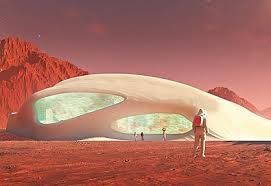
The idea of hidden augmented mycelium homes in the Mani region combines experimental biomaterials with digital architecture. However, no particular network of such homes should be treated as real without verifiable evidence of a project or built structures.
What Mycelium Materials Can Offer
Mycelium-based composites can grow around plant fibers and help bind them into lightweight forms. Researchers investigate them for packaging, interior components, insulation, acoustic applications, and other uses where their mechanical limitations are acceptable.
Their performance depends on the fungal species, substrate, growth conditions, density, processing, and post-treatment. Some products can be made more resistant to moisture or more dimensionally stable, but these properties must be demonstrated for each formulation.
A material described as biological or biodegradable is not automatically suitable for every building application. Construction products must meet requirements for strength, fire resistance, moisture behavior, durability, and health.
Why the Mani Landscape Matters
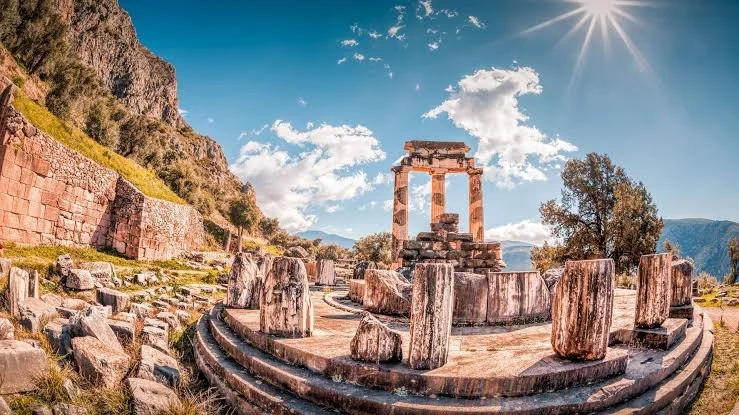
Mani, in the southern Peloponnese, is known for its rugged terrain, stone-built settlements, and distinctive architectural heritage. Its dry summers and exposed landscapes make climate-responsive building design an important consideration.
Any new construction material introduced into this environment would need to respond to local conditions. Moisture, temperature changes, ventilation, and exposure to wind and sunlight can influence a building's long-term performance.
The term “desert” is sometimes used informally to describe dry landscapes, but Mani is not a true desert simply because some areas appear arid. Accurate geographical descriptions matter when discussing building design and environmental adaptation.
What Augmented Reality Adds
Augmented reality overlays digital information onto a view of the physical world. In architecture, it can help designers visualize proposed structures, inspect spatial relationships, and communicate plans to clients or construction teams.
An augmented-reality model of a mycelium home might display wall assemblies, insulation layers, energy performance estimates, or maintenance information. Sensors could also connect a digital model with measurements collected from a building after construction.
These tools do not make the underlying material stronger or more sustainable. They help people visualize, document, and manage the design.
The Challenges of Building with Mycelium
A practical mycelium building system would need verified test results and compliance with relevant construction standards. Designers must consider structural loads, fire behavior, water penetration, biological degradation, pests, and indoor air quality.
Mycelium products may be suitable for non-load-bearing applications without being suitable for foundations or primary structural walls. The distinction between a decorative panel and a load-bearing component is fundamental to safe construction.
Environmental claims also require careful assessment. Growing a material from organic waste may offer benefits, but the full impact depends on energy use, substrate sourcing, transport, processing, replacement, and end-of-life treatment.
Integrating New Materials with Traditional Architecture
In a place with a strong stone-building tradition, experimental materials would need to be introduced thoughtfully. A sustainable design might combine established construction methods with new insulation or interior components rather than replace local materials entirely.
Augmented reality could help architects compare different options before building, while physical prototypes would establish whether the materials perform as expected.
The idea of hidden mycelium homes in Mani remains unverified. The genuine opportunity lies in testing fungal composites, digital design tools, and climate-responsive architecture while respecting the region's landscape and building heritage.