Wearable feedback, immersive historical experiences, and the relationship between ancient athletics and modern simulation.
Feeling a Story Instead of Merely Seeing It
Digital technology increasingly allows people to experience history through more than images and sound. Virtual reality can place users inside reconstructed environments, while haptic devices create physical sensations that respond to movement or events in a simulation.
A haptic suit inspired by the footsteps of ancient Marathon runners could create an immersive experience for museums, educational programs, or historical games. The concept draws on the famous Battle of Marathon and the later traditions connecting Marathon with long-distance running.
However, a specific suit designed to recreate historically accurate Marathon footsteps should be treated as a proposed application unless a documented product or research project demonstrates it.
What Haptic Technology Does
Haptics refers to technologies that create or interpret sensations associated with touch and movement. Wearable systems may use vibration motors, pressure actuators, force feedback, or other mechanisms to simulate impacts and tactile cues.
In a virtual environment, a suit might deliver a brief pulse when the user takes a step, indicate contact with a surface, or communicate directional information. More advanced systems can coordinate feedback across multiple body regions.
The objective is not necessarily to reproduce every physical sensation accurately. Often, a relatively simple cue is sufficient to make an interaction feel more responsive.
Haptic systems must balance realism with comfort, safety, battery life, weight, and the range of movement required by the experience.
Marathon in Ancient History
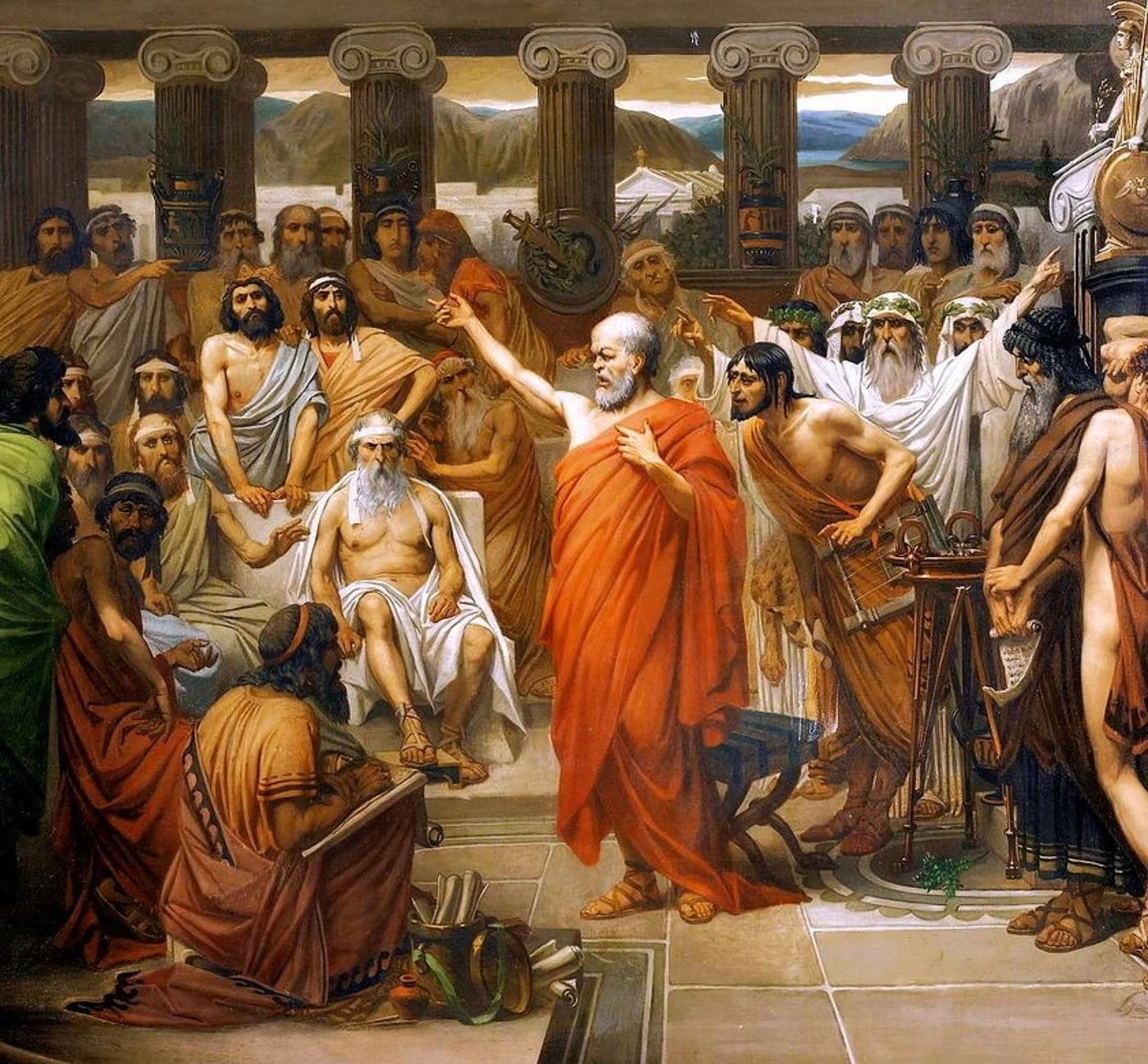
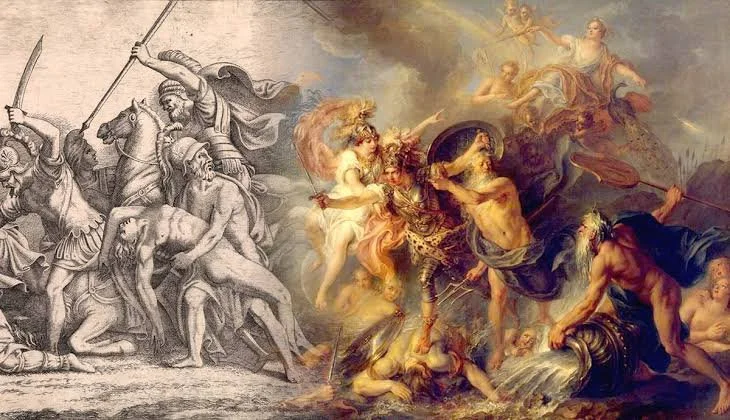
The Battle of Marathon took place in 490 BCE, when Athenian forces and their allies fought a Persian expeditionary force near the town of Marathon in Attica.
The battle became an important part of Greek historical memory. Later accounts connected Marathon with stories about messengers and long-distance running, although the familiar modern marathon narrative combines historical traditions that should not be treated as a single fully documented event.
The famous story of a messenger running from Marathon to Athens is associated with later literary traditions, and the modern marathon distance was established through the development of organized sport much later.
A historical simulation should therefore distinguish the battle itself, ancient reports about messengers, and the later evolution of the marathon race.
Designing Footsteps for a Historical Simulation
A haptic experience could represent different terrain, changes in pace, fatigue cues, or interactions with a reconstructed environment. Sensors in the footwear or suit could detect the user's movements and coordinate feedback with the simulation.
But recreating the feeling of ancient running would require interpretation. Researchers do not possess a precise sensory recording of a runner from 490 BCE, and surviving historical sources cannot establish every detail of footwear, gait, or the sensations experienced during a particular journey.
Developers could instead build an experience based on biomechanical research, historical evidence, and clearly labeled design choices.
Testing Realism and Accessibility
A useful haptic suit should be evaluated through user testing. Researchers could measure comfort, movement accuracy, immersion, fatigue, and whether the feedback improves understanding or enjoyment.
The system should also provide alternatives for users who cannot or do not wish to wear a full suit. Audio, visual indicators, handheld controls, and simplified tactile devices may offer comparable educational value.
If a project claims to reproduce specific historical sensations, its evidence should be examined carefully. A realistic experience is not the same as a scientifically verified reconstruction of the past.
From Ancient Running to Immersive Learning
Haptic technology can make historical storytelling more interactive by linking physical movement with digital interpretation. A carefully designed Marathon experience could teach users about ancient warfare, geography, endurance, and the later cultural importance of the race.
The proposed haptic suits remain unverified as a specific Greek project. Their broader potential lies in making historical education more engaging while clearly separating documented history from the sensory choices made by modern designers.