Miniature robotics, volcanic monitoring, and the scientific effort to understand Santorini's eruptive history.
A Volcano with a Global Geological Legacy
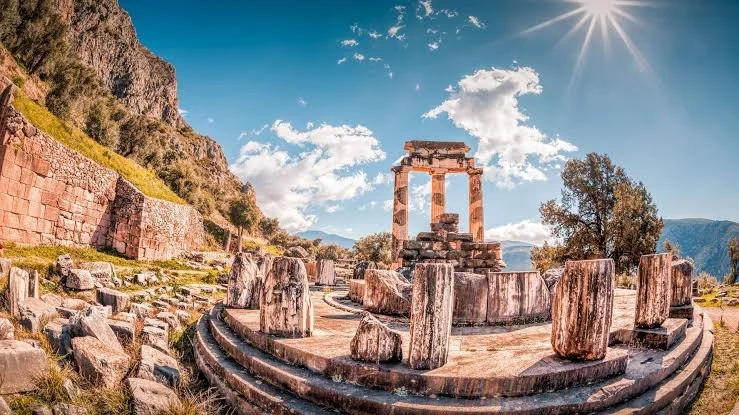
Thera, the ancient name associated with Santorini, is part of one of the Aegean's most important volcanic systems. Its geological history includes major explosive eruptions that transformed the landscape and deposited volcanic material across the surrounding region.
Understanding these events requires several kinds of evidence. Geologists examine ash layers, volcanic deposits, rock chemistry, and the structure of the volcanic system. Archaeologists and historians investigate how eruptions affected human settlements and regional networks.
The idea of hidden nano-drones cataloging Thera's eruptions combines miniature robotics with volcano research. Yet a specific fleet of secret nano-drones operating at Santorini should not be described as a confirmed project without reliable documentation.
What Are Nano-Drones?
The term nano-drone is used loosely in popular technology writing. It may refer to a very small unmanned aerial vehicle, but the word does not necessarily indicate a machine built at the nanometer scale.
Small drones can carry cameras and lightweight sensors for aerial inspection, mapping, and environmental observation. Their small size can be useful in confined spaces or areas where larger aircraft are impractical.
However, miniaturization creates trade-offs. Small drones generally have limited battery capacity, payload weight, flight time, and resistance to wind. A tiny aircraft may be able to capture images but lack the power to carry sophisticated instruments or operate for long periods.
How Scientists Reconstruct Past Eruptions
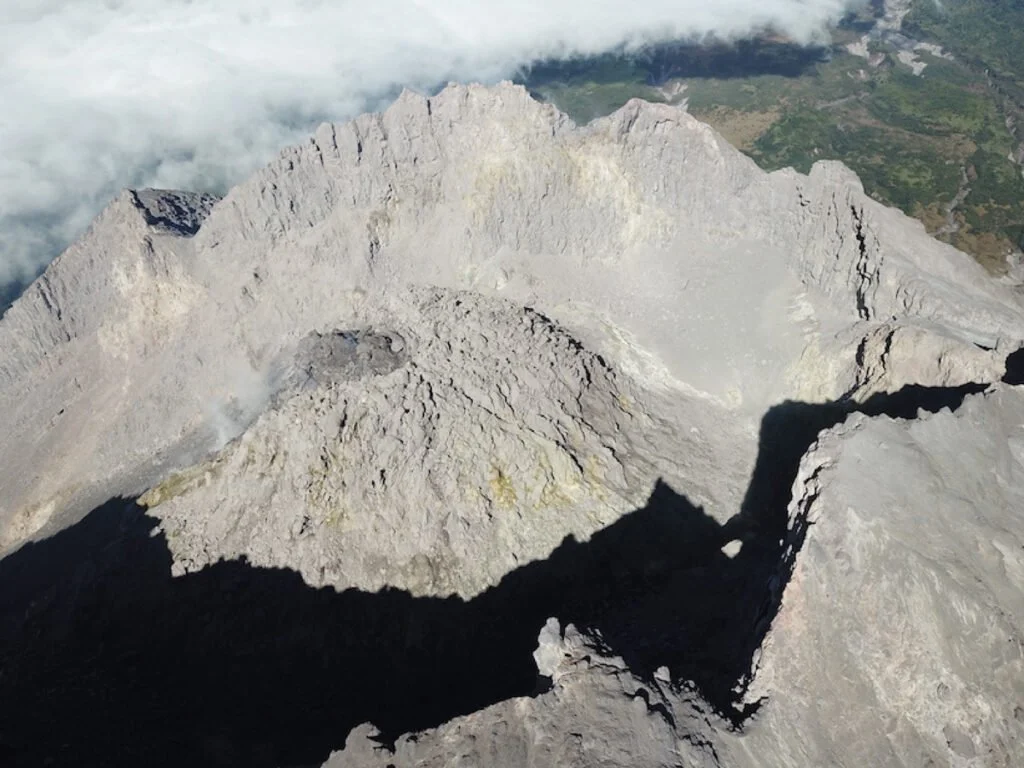
Volcanic deposits preserve information about eruption intensity, material composition, and the movement of ash and other products. Researchers may map the thickness and distribution of deposits, examine microscopic minerals, and analyze the chemical signatures of volcanic glass.
Radiometric dating, stratigraphic relationships, and archaeological context can help establish when particular events occurred. Multiple methods are often needed because an eruption may produce deposits of different ages and characteristics across a wide area.
Modern monitoring also uses seismometers, satellite observations, gas measurements, ground deformation sensors, and cameras. These systems help researchers understand present-day activity and assess changes in volcanic behavior.
A drone may contribute aerial imagery, but it cannot independently reconstruct an entire eruption history without geological samples, chronological evidence, and interpretation.
Could Tiny Drones Help Around Santorini?
Small aerial systems could potentially document accessible surfaces, inspect selected structures, or capture detailed images of volcanic formations. Specialized robotic platforms might also assist in locations where access is difficult.
Their usefulness would depend on the mission. Aerial drones cannot simply fly through every volcanic opening, and underground or high-temperature environments may require other robotic designs. Ash, wind, heat, and corrosive gases can damage equipment.
For active volcanic monitoring, instruments must be selected according to safety and scientific requirements. Drones should complement established monitoring networks rather than replace them.
Verifying a Supposed Hidden Program
A documented drone-based research program would normally identify its operating institution, research objectives, equipment, survey area, and results. Publications, project reports, or official announcements could establish whether the machines were used and what they measured.
Researchers would also need to distinguish nano-drones from ordinary small unmanned aircraft and clarify whether the project concerns active monitoring, surface mapping, or the study of ancient deposits.
The absence of public evidence does not prove that no experiment exists, but it does mean that claims about a specific secret deployment remain unverified.
Miniature Robotics and Volcanic Science
Small robotic systems may eventually expand the range of places scientists can document safely and economically. Their value will depend on reliable sensors, careful flight planning, and data that can be interpreted alongside established geological evidence.
The idea of hidden nano-drones cataloging Thera's eruptions remains speculative. The established scientific story is already remarkable: Santorini's volcanic deposits preserve a record of powerful geological events, and modern imaging and analytical tools continue to improve how that record is understood.