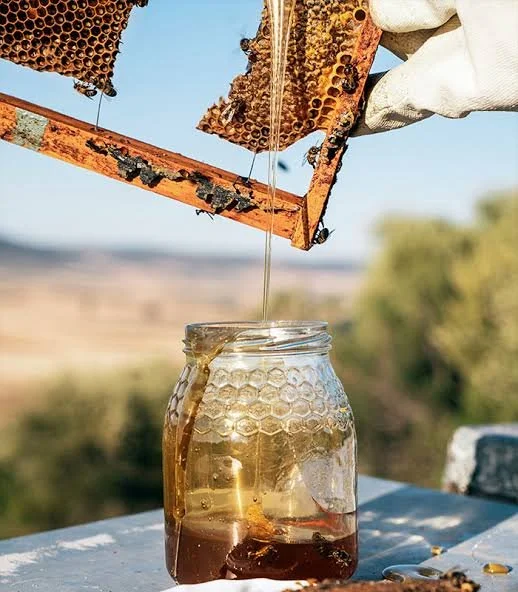
Connected beekeeping, pollinator behavior, and the long relationship between Attica's landscapes and honey production.
A Landscape Associated with Honey
Mount Hymettus, near Athens, has a long cultural association with honey and aromatic vegetation. Ancient writers praised the region's honey, and its name remains connected with Greek traditions of beekeeping and the natural resources of Attica.
Modern beekeeping combines traditional knowledge with tools for monitoring hive conditions, managing colonies, and understanding environmental pressures. The idea of lost swarm technology designed to improve Hymettus honey yields suggests a forgotten network of intelligent beehives or coordinated robotic systems.
No such historical technology should be treated as real without evidence. The more grounded subject is how connected sensors, data analysis, and improved hive management might help beekeepers understand colony behavior and honey production.
What a Bee Swarm Actually Is
A honeybee swarm is a natural process in which a colony divides, with a queen and a group of worker bees leaving to establish a new home. Swarming is part of the reproductive behavior of a colony rather than a technological system.
Beekeepers manage swarming through a range of practices, including inspecting colonies, monitoring queen status, providing appropriate space, and managing colony strength. The right approach depends on the season, local conditions, and the goals of the beekeeper.
The phrase “swarm technology” can also describe systems in which multiple devices coordinate their actions. These two meanings should not be confused: a biological bee swarm is a natural phenomenon, while a robotic swarm is an engineered system.
How Connected Beehives Work
Modern hive-monitoring systems can use sensors to measure weight, temperature, humidity, and sometimes sound or vibration. These measurements may help beekeepers detect changes in colony activity or identify conditions that deserve closer inspection.
Hive weight can provide clues about nectar collection and the addition or removal of honey stores. Temperature measurements can reveal aspects of colony thermoregulation, while sound analysis may help researchers study behavior under controlled conditions.
However, no single sensor can provide a complete picture of colony health. Readings need to be interpreted alongside physical inspections, weather, forage availability, disease pressure, and seasonal behavior.
Hymettus and the Ecology of Honey Production
Honey yield depends on many interacting factors. Flowering patterns, weather, soil moisture, colony strength, disease, pesticide exposure, and competition for forage can all affect how much nectar bees collect.
The historical reputation of Hymettus honey is often associated with the area's vegetation and local ecological conditions. Modern production cannot be guaranteed simply by placing hives on the mountain or introducing a particular device.
Researchers studying honey yields would need to identify the plant sources, record flowering periods, measure colony performance, and compare results across multiple seasons. Changes in land use and climate may also affect the availability of forage.
Can Robotics Help Beekeepers?
Robotic systems could assist with repetitive tasks such as moving equipment, monitoring hive entrances, or collecting environmental data. In research settings, coordinated devices might survey vegetation or track changes in flowering conditions.
Yet robotics must be designed around the needs of living colonies. Excessive vibration, inappropriate handling, or poorly controlled environmental changes could disturb bees. Automated systems should support careful management rather than replace necessary observation and expertise.
A claim about lost swarm technology would require evidence of the actual system, its historical or technical origin, and documented effects on honey production.
Balancing Innovation and Pollinator Health
Honeybees are important agricultural pollinators, but they are not the only pollinators that support ecosystems. Wild bees and other insects also contribute to pollination, and their needs may differ from those of managed honeybee colonies.
Sustainable beekeeping therefore involves more than maximizing honey yield. It includes responsible colony management, disease control, appropriate hive placement, and attention to the wider ecological community.
The concept of lost swarm technology for Hymettus remains unverified. The real opportunity lies in combining traditional beekeeping knowledge with reliable monitoring tools, ecological research, and careful management of the landscapes that support honey production.