Introduction
The island of Tinos in the Cyclades is closely associated with marble, stone craftsmanship, sculpture, and a long tradition of quarrying. Its geological resources have played an important role in the island's economic and cultural history, while Tinian stoneworkers became renowned for their technical knowledge and artistic skills.
The phrase “unseen Tinos veins” evokes the possibility of lesser-known marble-bearing formations hidden beneath the island's rugged landscape. Such a concept is geologically plausible in a broad sense because marble deposits can occur within complex metamorphic formations and may not always be exposed clearly at the surface. However, individual deposits, abandoned quarry locations, or previously undocumented “veins” should not be described as confirmed discoveries without geological evidence.
The subject nevertheless offers an intriguing opportunity to explore the relationship between geology, quarrying, architecture, sculpture, and the cultural identity of Tinos.
The Geological Foundation of Tinian Marble
Marble is a metamorphic rock formed when limestone or related carbonate rocks undergo elevated temperature and pressure. During metamorphism, the original minerals recrystallize, producing the characteristic crystalline texture associated with marble.
The quality of marble depends on several factors. Mineral composition, grain size, impurities, structural integrity, color, and the presence of fractures can all influence whether a particular block is suitable for sculpture or construction.
Tinos belongs to the geologically complex Cycladic region, where tectonic forces have repeatedly transformed rocks over millions of years. The island's geology is therefore not simply a uniform layer of marble. Different rock formations can occur alongside one another, creating localized variations in material quality.
These geological differences help explain why traditional quarrying was often highly selective.
Quarrying in Traditional Tinos
Historic quarrying required much more than simply locating exposed marble. Quarry workers needed to understand how the stone fractured and how natural joints could be exploited to separate blocks.
Before modern machinery, extraction depended on hand tools, wedges, hammers, chisels, and accumulated practical knowledge. Workers could identify promising surfaces and determine where pressure should be applied to produce a usable block.
This knowledge was often transmitted through generations of craftsmen. Quarrying was therefore both an economic activity and a form of technical heritage.
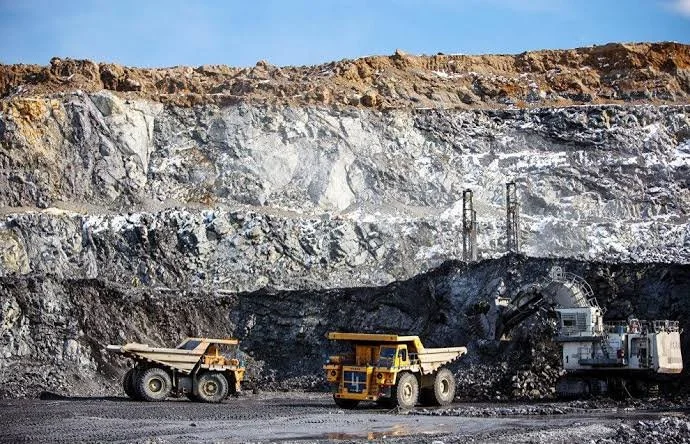
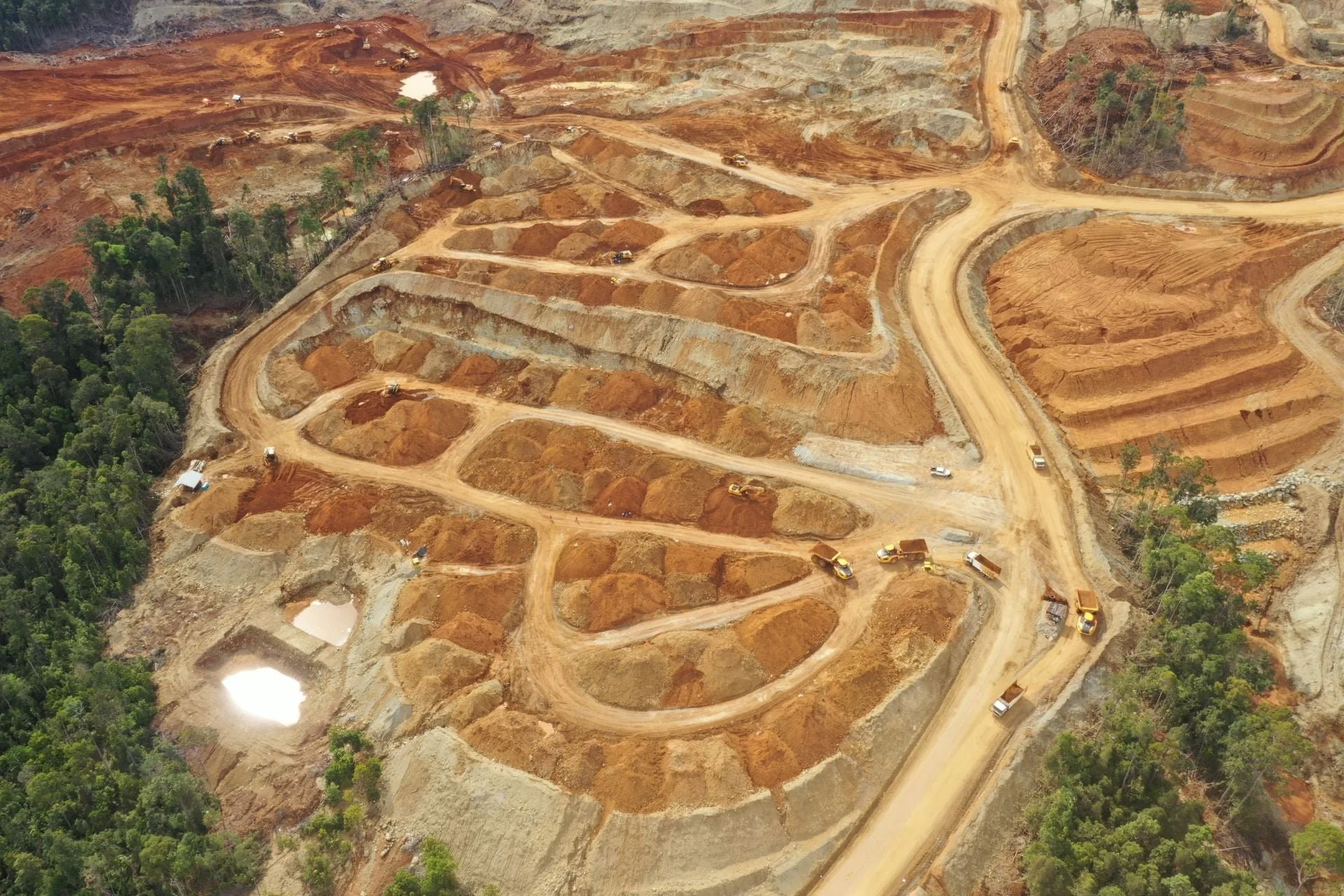
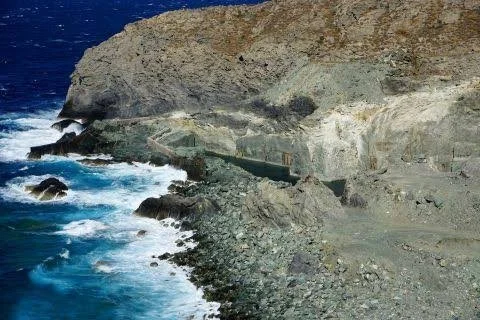
The extraction of marble also transformed the landscape. Quarry faces, discarded fragments, pathways, tool marks, and abandoned extraction areas can remain as archaeological evidence of earlier industrial activity.
The Idea of Hidden Marble Deposits
A marble deposit may be “hidden” in several different senses. It could be covered by soil and vegetation, obscured by weathered rock, inaccessible because of steep terrain, or located beneath an area that was never economically exploited.
Modern geological surveys can investigate such areas through geological mapping, remote sensing, geophysical methods, and laboratory analysis of rock samples.
However, identifying marble beneath the surface does not necessarily mean that a commercially viable quarry exists. A deposit must also have suitable dimensions, quality, accessibility, structural stability, and economic value.
Modern extraction can additionally face environmental and heritage restrictions, particularly on islands where landscapes and traditional quarrying areas form part of the cultural identity of local communities.
Marble and Tinian Sculpture
Tinos became especially important in Greek sculptural traditions. Tinian craftsmen contributed to monumental sculpture, architectural decoration, funerary monuments, and religious art.
The connection between quarry and sculpture is important because the properties of the raw material influence artistic possibilities. A sculptor requires stone that can be carved accurately without excessive fracturing.
The ability to identify a block's internal structure is therefore a valuable skill. Experienced stoneworkers can recognize subtle changes in texture and potential fracture patterns that may not be obvious to an inexperienced observer.
The same knowledge that helped quarry workers extract stone could also influence how sculptors approached their material.
Abandoned Quarries as Archaeological Landscapes
An abandoned quarry is not simply a hole in the ground. It can preserve evidence of industrial organization.
Researchers can examine extraction faces, tool marks, waste material, access routes, loading areas, and nearby workshops. These features may help reconstruct how stone was extracted and transported.
Waste fragments can also provide clues about the quality of the stone and the types of blocks being produced. Large discarded pieces may indicate attempts to extract architectural blocks, while smaller fragments could result from shaping or later processing.
The location of quarries relative to settlements and ports is also significant. Marble is heavy, so transportation has always been an important part of the industry. A quarry with convenient access to a harbor or road could have been more economically attractive than an equally high-quality deposit in a remote location.
Modern Geological Exploration
Today, geologists can investigate potential marble resources with tools unavailable to earlier quarry workers. Satellite imagery, digital elevation models, geological mapping, and geophysical techniques can help identify formations that deserve closer examination.
Laboratory testing can determine mineral composition and physical properties. Researchers can evaluate hardness, porosity, grain structure, fracture patterns, and other characteristics relevant to construction or sculpture.
Yet modern technology does not eliminate the importance of field observation. Geological models must be tested against actual rock exposures and samples.
Environmental and Heritage Considerations
Any discussion of new marble extraction must consider more than commercial potential. Quarrying can alter slopes, generate waste rock, affect drainage, produce dust, and change visual landscapes.
On an island such as Tinos, these issues are particularly important because the same landscapes may contain archaeological remains, traditional agricultural structures, churches, pathways, and historic quarrying areas.
A responsible approach would therefore distinguish between geological research and commercial extraction. Identifying a marble-bearing formation does not automatically justify opening a quarry.
Conclusion
The idea of “unseen Tinos veins” captures the enduring mystery of the island's marble landscape, but geological claims require careful investigation. Beneath and around Tinos's visible quarries lies a much larger story involving metamorphic geology, traditional craftsmanship, transportation, sculpture, and cultural heritage.
Whether a particular hidden deposit exists in an economically or historically significant form would require geological verification. What is already clear is that Tinos's marble tradition represents a remarkable interaction between natural geology and human skill, demonstrating how a mineral resource can become an important part of an island's cultural identity.